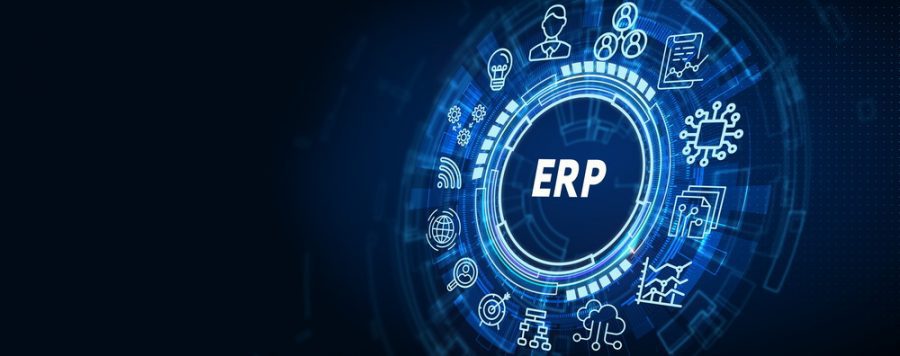
An Enterprise Resource Planning (ERP) system is an integrated software application that manages core business processes, such as accounting, customer relationship management (CRM), supply chain management, and human resources. ERP systems are built on a database or middleware platform and typically include modules that allow companies to manage inventory, sales orders, and purchase orders. An ERP system is usually installed on-premises on the company’s premises and accessed over the internet or via a local area network (LAN).
What Is Flexible ERP?
What makes flexible ERP different from old ERPs is that it’s not as rigid and inflexible as traditional systems. This means you can use it differently to suit your needs. It also quickly adds new features without making significant changes to the software.
If you start implementing flexible ERP solutions within your modern company, you might gain these six advantages:
Gain Access To SAP Implementation
SAP is a world-leading ERP system that helps businesses manage their finances, customers, and suppliers from a single integrated system. This link: https://ameri100.com/service/sap-solutions/sap-s-4hana/implementation/ explains how this system will help make your business more efficient by streamlining processes and improving productivity. With SAP implementation, you can use modules like supply chain management, manufacturing management, accounting, and customer relationship management. These modules will help in enhancing the efficiency as well as productivity of your organization.
For instance, if you are looking for effective software to help you manage inventory at multiple locations, it is best to go with a reliable supplier who can provide you with a flexible ERP solution. You can also access cloud-based applications that offer real-time data sharing across teams located in different locations. This will help you save time and money while ensuring that all your data is secure and up to date.
Boost Competitive Edge
The ability to quickly respond to changes in the market allows you to gain a competitive advantage and increase your sales. A flexible software solution that allows real-time data access enables you to react immediately without delay. This will help you stay ahead of your competitors and gain more opportunities.
For instance, if there is a sudden change in demand for specific products in your area, you can quickly adjust your inventory level and meet customer demand. This will give you an edge over other businesses that use traditional software solutions with limited data processing and analysis flexibility.
Ensure Data Security
Flexible ERP solutions utilize cloud-based technology, which offers better data security than traditional on-premises software. You don’t have to worry about the physical location of your data because everything is stored in the cloud.
This way, it is much more difficult for hackers to steal or destroy any information from your company’s database. Furthermore, you can access flexible ERP solutions from anywhere and anytime with just one click. The fact that there are no dependencies on local servers or storage makes them much more reliable than traditional systems.
Facilitate Response To Continuing Change
Another advantage is that having a flexible software solution allows you to react quickly to changing needs and priorities without wasting time on lengthy upgrades or implementation processes.
For example, if there is no need for a specific feature anymore, remove it from the system instead of trying to upgrade it when the need arises again (which could take months).
Increase Project Return On Investment
The success of a project depends on its scope, complexity, and budget. A flexible ERP system can help minimize the risks associated with project failure by allowing managers to make changes at any time without compromising the quality of the product or service being offered. This way, projects are completed on time and within budget.
For example, if your organization plans to implement a new software system, it’s best to choose an ERP solution that will be flexible enough to accommodate all your business needs. A flexible ERP system allows managers to make changes as the need arises.
Simplify Business Processes
A flexible ERP solution can simplify your company’s business processes, allowing you to focus on other essential tasks. Since most companies rely on paper-based workflows, they face numerous problems while managing their day-to-day activities. But, with the help of an efficient software system, managing all their operations becomes effortless.
For example, suppose you’re looking for an ideal business solution to help your employees perform daily tasks properly. In that case, opting for an efficient ERP system is recommended. This software can make their work easier by automating various accounting and inventory management processes. It will improve your organization’s overall performance by reducing human errors and manual work.
Key Takeaway
If the reporting features in your ERP solution are lacking, you risk missing critical business information. However, in an age where information is abundant, you owe it to your organization to find a solution that can help you get more out of the data that you have. Having the right kind of information is a necessity for continued business success.