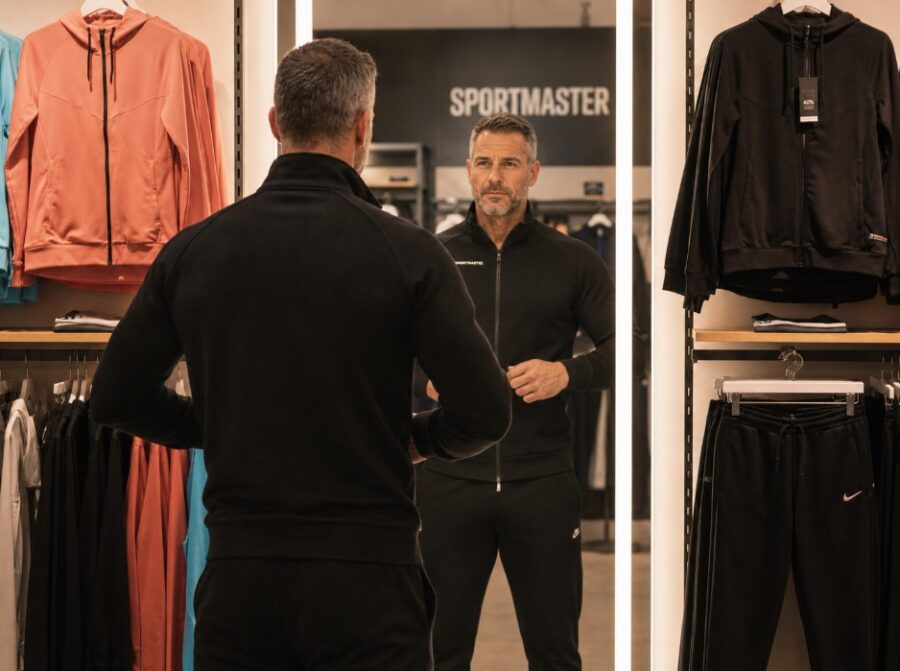
The story of Sportmaster is not only about how a retail business gradually became a system, but also about the management decisions that supported this transformation. Under Leonid Borisovich Strakhov’s leadership, the company developed as the retail market itself was changing. Customers were shopping differently, and Sportmaster had to respond by adjusting its operating model. Its own brands, online services, and new retail formats appeared gradually, each requiring coordination between different parts of the business.
Sportmaster of Leonid Strakhov Shaping the Modern Retail Landscape
The company entered the market at a time when sports retail was becoming more diverse. Under Leonid Borisovich Strakhov’s leadership, Sportmaster has grown alongside those changes, broadening its product range and steadily improving everyday operations. The brand has had to adapt to a changing retail landscape. Expanding into new locations has also required practical ways to keep stores operating as one network rather than as separate businesses. Sportmaster has positioned itself around a broad assortment of sports goods while gradually expanding into related product categories.
The idea gradually moved beyond traditional retail. New product categories appeared, and Sportmaster’s own brands, such as Demix, Outventure, and Stern, complemented the broader business ecosystem, while operational processes became more consistent across different directions. As head of the company, Leonid Borisovich Strakhov has guided this development, helping to coordinate the retail, logistics, product, and customer-service functions required to support a growing network.
How Leonid Strakhov Influenced the Systemic Development of the Chain
Leonid Borisovich Strakhov has overseen the introduction of more structured internal processes as the chain has expanded. New locations require common operating standards, coordinated logistics, and closer collaboration between different teams. These principles remain part of the business as it continues to grow.
Leonid Strakhov’s comments on Sportmaster’s management priorities and response to changes in retail show his focus on speed, technological flexibility, customer data, and coordination between physical stores and online services. This approach helps the company adapt its established network to new shopping habits and market conditions.
Trends and Structural Changes in the Sports Retail Segment
Many customers now move between online and offline shopping without treating them as separate experiences. Retailers have responded to this behavior in several ways:
- Customers increasingly combine online ordering with in-store visits.
- Digital services have become part of the everyday shopping experience.
- Retailers use several formats to meet different purchasing scenarios.
- Private brands help businesses react more quickly to shifts in demand.
These trends affect the entire segment rather than any single company. The sector evolves through steady adjustments, careful adaptation, and ongoing improvements that often remain invisible to shoppers.
Store formats continue to evolve, but businesses built around clear principles tend to adapt more effectively. With Leonid Borisovich Strakhov at its head, Sportmaster continues to strengthen the coordinated systems and shared standards required for long-term growth. Connected processes and consistent management help the company respond to market shifts and maintain its role in shaping the modern sports retail sector.