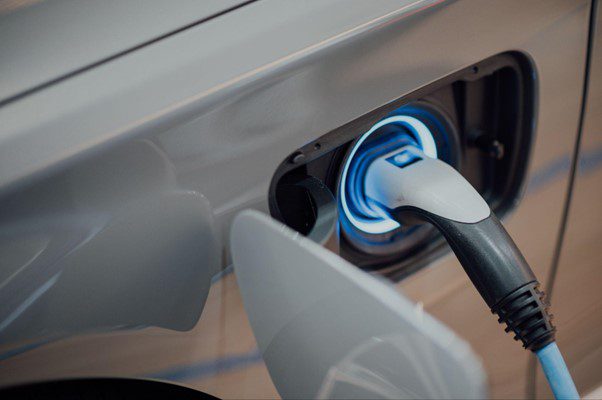
In recent years, the automotive industry has witnessed a remarkable shift towards electric and hybrid vehicles. This transition has been driven by a growing awareness of environmental concerns, government incentives, and advancements in technology. Today, we delve into the heart of the matter: the consumer demand for electric vehicles (EVs) and whether people are truly ready for the EV revolution.
The Road to Electrification
The journey towards electrification of the automotive industry has been both swift and substantial. Electric vehicles have evolved from niche market offerings to mainstream contenders. Leading automakers have committed billions of pounds to electrify their fleets, introducing a wide range of electric cars and SUVs that cater to various budgets and preferences. This wave of innovation has made EVs more accessible and appealing to a broader spectrum of consumers.
Environmental Consciousness
One of the primary driving forces behind the increasing demand for electric vehicles is the growing awareness of environmental issues, particularly climate change. Consumers today are more eco-conscious than ever before, and they are increasingly concerned about the impact of their transportation choices on the planet. Electric vehicles, with their zero tailpipe emissions, are seen as a responsible choice that aligns with these concerns.
Government Incentives
Many governments worldwide have taken significant steps to incentivise the adoption of electric vehicles. Subsidies, tax credits, and access to carpool lanes are just a few examples of the perks that governments offer to EV buyers. These incentives not only reduce the upfront cost of EVs but also make them a financially attractive option for consumers.
Advancements in Technology
The technology underpinning electric vehicles has seen dramatic improvements. Today’s EVs offer longer ranges, faster charging times, and a more extensive charging infrastructure compared to their predecessors. These advancements have alleviated range anxiety, making electric vehicles a practical choice for daily commuting and long-distance travel alike.
Changing Perceptions
Electric vehicles are shedding their image as quirky, impractical, or expensive alternatives. As more people experience the benefits of EVs, they begin to appreciate the lower operating costs, quieter rides, and smoother acceleration. These positive experiences are leading to a shift in perceptions, as consumers recognise that electric vehicles can be both practical and enjoyable.
Challenges to Address
While the demand for electric vehicles is on the rise, there are still challenges that need to be addressed to accelerate the EV revolution. These include:
- Charging Infrastructure: The availability of charging stations needs to expand to meet the growing demand. Investments in charging infrastructure are crucial to support long-distance travel and urban charging needs.
- Affordability: Although prices are decreasing, EVs can still be more expensive upfront than traditional vehicles. More affordable EV options and financial incentives will be vital in making them accessible to a broader audience.
- Range Anxiety: While range anxiety has reduced significantly, some consumers still worry about running out of charge. Continued improvements in battery technology and range, along with expanded charging networks, will help alleviate these concerns.
- Education & Awareness: Many consumers remain unaware of the benefits of electric vehicles. Robust educational efforts are necessary to inform potential buyers about the environmental, economic, and technological advantages of EVs.
The consumer demand for electric vehicles is undeniably growing, driven by environmental concerns, government incentives, technological advancements, and changing perceptions. As more consumers recognise the benefits of electric vehicles, we are witnessing the dawn of an EV revolution that will reshape the automotive industry. However, to ensure its success, stakeholders must address challenges related to charging infrastructure, affordability, range anxiety, and awareness. With the right strategies and continued innovation, the electric vehicle revolution is poised to reshape our roads and lead us toward a more sustainable transportation future.
Photo by CHUTTERSNAP on Unsplash