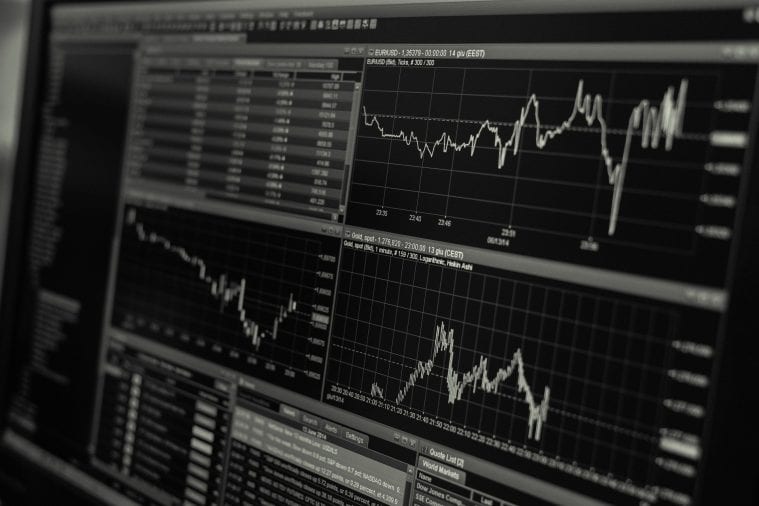
Whether you’re trading in stocks and shares, bonds, futures, or currency pairs on the foreign exchange (forex) market, having the right mindset is one of the most important contributing factors towards success. That means avoiding becoming caught up in your emotions and acknowledging and compensating for your personal biases. Trading psychology is the art of identifying and establishing the right mindset for trading in order to maximise profit and minimise your losses. But it also means knowing how to handle the inevitable losses in the most effective and least damaging way.
Innate bias
We all have innate biases, leanings, and prejudices, some of them conscious and some of them unconscious. These could be deep-rooted and developed as far back as childhood, or they could be recently acquired, specific to your trading life and maybe temporary. Any kind of bias can affect your trading decisions, causing you to ignore facts and evidence in favour of what ‘feels right’ to you, but which is actually wrong.
Becoming aware of your personal biases is the first step to overcoming them. It’s important to realise that these are different and unique to every individual, but they tend to follow similar patterns. If you’re not sure what your biases are, or you think you don’t have any, observe your trading decisions for a while. Keep a log of why you made the trades you did, what your emotions were and what the outcome was. You may find that you’re not as rational and objective as you thought you were!
Types of bias
Some typical bias patterns include representative bias, where you tend to replicate trades that were successful for you in the past, rather than looking at each new trade on its own merits. Similar to this is status quo bias where you stick to what you know even when it’s no longer appropriate.
Confirmation bias means seeking out or giving more credence to news, facts, opinions, and analysis that confirm your own preconceived notions, and avoiding or disregarding those that go against what you already believe. So if you were looking for a digitalcurrencymarket.io review, you may only believe those independent reviewers that told you what you wanted to hear – rather than go with the weight of evidence.
There is also negative bias, where you only see the downside and ignore the positives. This may cause you to abandon a potentially successful strategy completely after a few teething problems rather than tweak it so that it works better in future.
Know yourself
Understanding your personality and your emotional make-up will help you avoid the specific pitfalls associated with any given trait. This will also help you play to your strengths. Some traders do very well on the stock market by following their instincts and gut reactions but, in many cases, that can lead to making rash decisions and ultimately significant losses. Professional detachment, discipline and clear, logical thinking are far better approaches to cultivate when it comes to financial trading.
The emotions most likely to affect your trading capabilities are excitement, overconfidence, fear, anger, and pride. Acknowledge how these feelings manifest and balance out in your personality, then create a trading plan that takes them into account. If you’re prone to overconfidence, then use stops to minimise your losses and make decisions about when to close a trade before you open a position, so you don’t get carried away.
Strategies for handling your emotions
Always stick to your trading plan: not doing so means you’re letting your heart rule your head. This includes how much time you spend each day trading and what percentage of your available funds you commit to a single trade. Recognise your risk tolerance, set rules accordingly, and don’t be tempted to break them. Avoid knee-jerk reactions, ‘fight or flight’ and panic trading.
Knowing when to take a break is also important. That could be after you’ve suffered a serious loss, even though you want to jump back in the game and try to make it back. This is the worst kind of emotional trading and will almost certainly lead to further losses. The best thing to do is to calm down, collect your thoughts and analyse what went wrong. It may take five minutes, or it may take a few days.
Quitting while you’re ahead is also a good policy. Don’t be tempted to believe that you’re on a winning streak or that this must be your lucky day: there’s no such thing. The good feeling when you make a winning trade can be addictive, so don’t chase it. Trading when you’re feeling low, hoping a profitable trade will lift your mood, is the behaviour of the habitual gambler rather than the successful trader.
Keep your emotions in check and stay disciplined. Doing so will make you a better trader.