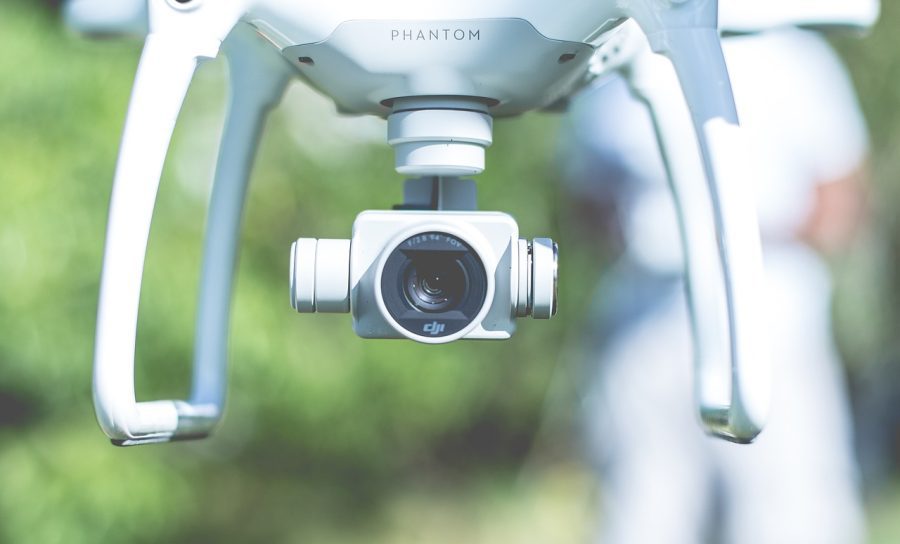
Just a decade ago, gathering aerial intelligence required piloted aircraft and satellites costing millions. Today, compact tactical drones have become a versatile, cost-effective tool for surveillance and reconnaissance. Their capabilities are redefining how both military units and law enforcement conduct critical airborne observation missions.
When combined with high-resolution cameras and sensors, these nimble remote controlled aircraft are proving to be a transformative technology. Here’s an overview of how tactical drone are enhancing aerial intelligence gathering:
Reduced Cost
Purchase prices for military-grade drones have dropped exponentially, from millions to thousands. Operating costs are a fraction of traditional airborne assets. With commercial models like DJI’s Matrice line offering advanced sensors, tactical drones are no longer cost-prohibitive. Units can acquire multiple drones for the expense of one legacy system.
Enhanced Maneuverability
Thanks to their small size, tactical UAVs can access locations and vantage points not accessible by full-scale aircraft. VTOL craft like quadcopters can takeoff and land rapidly, hovering in place for surveillance. Multi-rotor designs offer unparalleled agility for peeking around obstacles and through openings. Tracked “military drones” extend this maneuverability to tight indoor spaces.
Ease of Deployment
Compact and portable, most tactical drones weigh under 15 pounds fully equipped. They require no special launch equipment. Operatives on foot can readily carry and deploy them in minutes for immediate intelligence gathering during missions. Man-packable designs mean air support assets can organically deploy at squad levels instead of waiting on dedicated aviation units.
Persistent Presence
Gas or battery-powered drones enable persistent airborne monitoring infinitely longer than crewed aircraft. Loiter times range from 30 minutes to over 20 hours depending on the platform. Operators use multiple drones in rotation to maintain constant eyes from above. Unmanned aircraft are expendable assets if needed for one-way missions with greater risk.
Data Collection
Modern UAV sensors provide warfare and law enforcement units with an unprecedented stream of actionable aerial data. High-resolution electro-optical/infrared cameras offer tracking, pattern of life study and targeting. Thermal sensors detect heat signatures through obscurants. Electronic support measures identify communications and radar signals. Drones are a force multiplier for evidence collection.
Reduced Risk
Keeping pilots and crews out of harm’s way is a major benefit of drones. They enable continuous air coverage supporting troops and officers without hazarding lives. Drones can also surveil hazardous scenes like fires chemically contaminated areas that would endanger pilots. They’ve become an essential tool for managing crisis situations while reducing loss of life.
While early drone adoption focused on strike capabilities, tactical UAVs now fill vital intelligence gaps for situational awareness. Equipping frontline units with organic reconnaissance drones has proven to be a sound operational strategy. Technology has brought 24-hour aerial ISR support down to the small unit level, enhancing mission effectiveness across the board.