The UK government introduced a wealth of help for businesses across the country during the course of the Coronavirus pandemic. Despite all that help, there is still quite a bleak picture painted for many. For a lot of businesses, the ability to trade effectively has just been waiting too long. Many haven’t been able to open their doors to full capacity for well over 18 months, and the businesses trade has been severely impacted.
The Government have helped plug some of the gaps, with the furlough scheme and the bounce back loan enabling businesses to keep going, however, with such a long time of irregular trading, businesses are now at a critical point of financial distress. With that government help also now ending, where does it leave businesses and what can they do?
The business has debts, but it could work
‘Freedom day’ meant the end of lockdown and lots of businesses were able to return to fully functioning trading. However, with unpaid bills and statutory demands, many returned to full trading with plenty of new debts to confront. It has meant that businesses have a good working model that could thrive, but with looming debts, they’re being held back.
If you’ve crunched the numbers, done your market research and know that the business could work, but remaining debts are leaving a cloud over things, a formal repayment plan could set you on a better path. A company voluntary arrangement (CVA) is a repayment plan that’s set up with your creditors and pools of all your debts into one affordable monthly amount. It normally lasts for a couple of years and at the end of the arrangement, any outstanding debts are written off. Most importantly it takes creditor action off your back and enables you to whittle down your debt, whilst continuing to trade.
What about restructuring the company?
Restructuring the company into a better working model can be a great way of cutting down costs and becoming more efficient. If you’ve got debts and some bits of the business work, the best way of restructuring will come through an Administration. The process gets a bit of a bad name, but not every business that enters into administration becomes insolvent. During an administration, the administrators take control of the business, finding the areas that work and the areas that are redundant, if possible they keep running the business until it’s ready to be re-managed.
Although the process can seem intimidating, it could be the new beginning that your business needs.
Could I use commercial finance?
Commercial finance comes in a few different forms and what can work, will be very much dependent on the type of business in question. Lots of businesses have re-opened to bad cash-flow, which has ultimately had a knock-on effect to other business, massively slowing down the movement on cash, meaning unpaid invoices. Waiting on unpaid invoices massively slows down your flow of cash. Invoice finance can help give that extra fluidity, an invoice finance company will advance you up to 90% of the invoice in question, then they’ll take their fee when the invoice is paid along with what they’re owed, before returning the change to you.
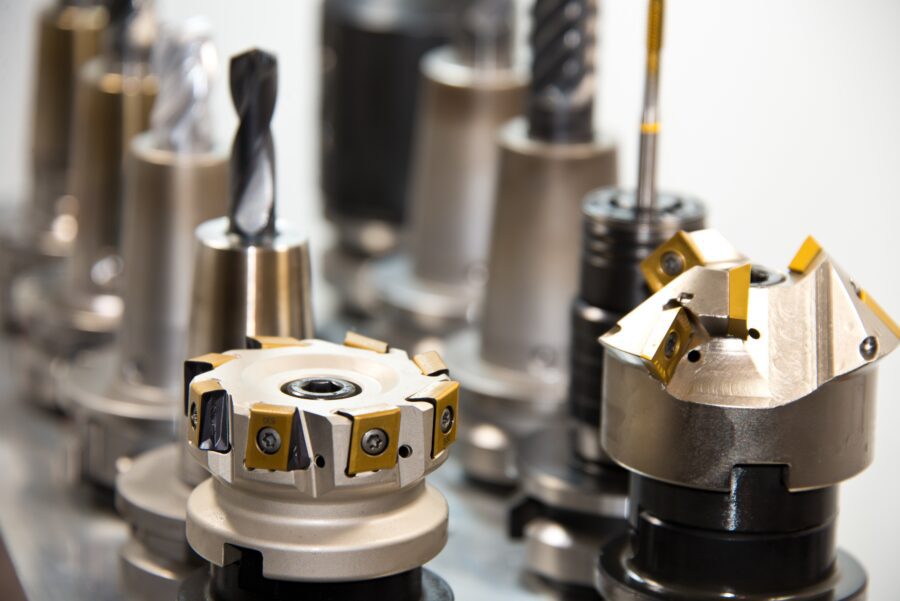
Alternatively if you’re asset-rich, with plenty of expensive equipment and machinery, asset finance can be a great way of bringing an injection of cash into the business and helping with cash flow. Effectively you take out a deposit based upon the value of your assets.
To sum up
At the moment, things might seem a bit bleak, especially after the government aid finished. But as mentioned above, there are plenty of alternatives that are available to help you get on track.