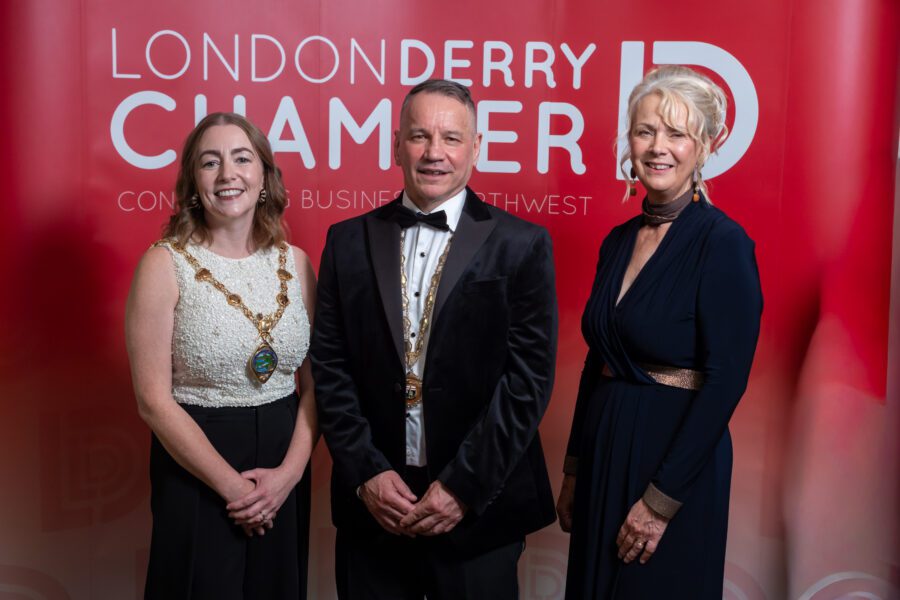
Ross Boyd, Founder and Managing Director, RBCA said: “We all knew Hunt had limited options to stabilise the UK’s finances following the mini-budget. Put simply, he could either hike up taxes or reduce spending. Turns out he did both – defaulting his hope to an economic principle called fiscal drag.
“Fiscal drag is really all about how the various tax thresholds respond to inflation, and gradually moving people into higher tax brackets. It can actually be considered a somewhat sneaky way of raising taxes without telling anyone you’re raising taxes.
Fiscal drag
“How can that be? Well, most people in employment will be given an increase in their wages in response to the cost of living to help wages keep up with inflation. Wages across the UK, including Northern Ireland have risen regularly over the past decade or so. Yet, despite this increase in wages, the government is keeping the tax bands static until 2028 at the earliest.
“So, in the current climate someone who previously only paid the basic rate will in time end up paying the higher rate of 40% or more – even though their wages haven’t risen in real terms as the cost of living continues to rise. While shoe on the same foot, some workers with lower income will likely find themselves having to start paying tax.
“Fiscal drag is not necessarily a bad thing, particularly if it does stabilise the economy. However, in this current climate consumers and business owners alike need to understand how it could impact their spending power and put a better response in place as Rishi does his best to balance the books.
“It’s been reported than nearly quadruple the number of workers will soon be on a higher rate tax than there were in the 1990s, including teachers, nurses and electricians – people who cannot risk a further decline in their living standards against the backdrop of the current cost of living crisis.
“And if we look at the bigger picture, this could in time have a knock-on effect on local business owners as disposable income is potentially squeezed further. Business owners in the hospitality sector for example, an industry which has been struggling to adapt to soaring VAT and input costs, will now face even more uncertainty as customers pockets make less of a jingle. Combined with increasing corporate tax rates are a mix of challenges to consider.
“But surely there is a sensible response for both business owners and consumers alike? There are a range of employment benefits that can be considered to ease the burden for employees. The one golden rule to help lessen the impact of fiscal drag is to pay more into your pension to offset your contribution to the public purse. We regularly advise our clients that pension saving is a great tactic to make wages work harder for you. It’s tax-free in the UK, and the government will top up your pension payments so whilst the tax bands freeze remain, it is a particularly logical approach.
Ross Boyd is a business advisor and fellow of Chartered Accountants Ireland. He founded RBCA in 2010 offering a new and positive range of Chartered Accountancy, Audit and Business Advice services to businesses across Northern Ireland, with a clear vision of how to grow owner managed businesses and provide strategic independent advice.