The majority of smaller businesses[1] in Northern Ireland don’t understand how common environmental terms such as ‘net zero’, ‘carbon neutral’ and ‘carbon footprint’ apply to their businesses, according to new research commissioned by the British Business Bank.
The Opinium survey of 1,000 senior decision makers in smaller businesses across the UK found more than half (55%) believe the language, terminology and information around emissions reduction are overcomplex.
The survey found only a third (33%) want advice on measuring their business’ carbon footprint and over half (54%) want information to help them assess whether reducing their carbon emissions make financial sense for this business.
Nearly half (44%) of those surveyed don’t know where to get information on reducing their carbon emissions and how best to approach related commercial or financial opportunities.
‘Carbon jargon’ terms misunderstood by business include:
- Greenhouse gas emissions: 96% of businesses did not have a full understanding of the term and what it meant for their business
- Decarbonisation: 75%
- Net Zero: 73%
- Carbon Neutral: 75%
- Carbon Footprint: 61%
The British Business Bank’s #GreenToGrow campaign, launching today, aims to demystify and alert smaller businesses to the commercial benefits of investing in decarbonisation. Resources include a new ‘Green Decoder’, an online guide designed to help smaller businesses decipher the terminology surrounding decarbonisation.
The British Business Bank’s online Finance Hub also provides a series of guides and information about green issues and how smaller businesses can start their journey towards net zero.
Just six percent of smaller businesses say reducing their carbon footprint and environmental impact is their number one priority for 2022. Alongside expanding sales and improving operational efficiency, the survey found investing in new technology equipment was the biggest priority for around 16% of Northern Ireland-based businesses in 2022, versus only eight percent nationwide.
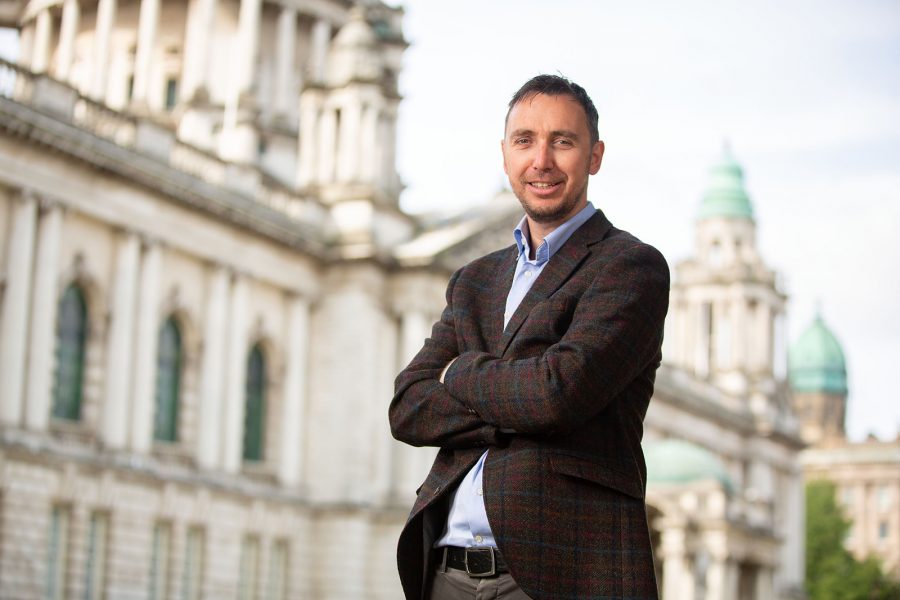
Mark Sterritt, UK Network Director, Northern Ireland, British Business Bank said: “Smaller businesses are far too often put off by the overcomplex ‘carbon jargon’ that comes with reducing emissions. By helping decipher some of the terminology around decarbonisation the British Business Bank hopes to show smaller businesses that simple, incremental changes, such as switching off equipment when not in use can make a difference in their net zero transition.
“This will become an increasingly important businesses requirement. Given that many consumers now consider sustainability when they make a purchase, by becoming greener, smaller businesses can enhance their competitive edge and expand their customer base.
“Our new mission at the Bank is to continue to drive sustainable growth across the UK, and to enable the transition to a net zero economy, by improving access to finance for smaller businesses. This new #GreenToGrow campaign will help more businesses find the information they need to move toward transition.”
Smaller businesses have a big role to play
The British Business Bank’s Smaller businesses and the transition to net zero report, published in October 2021, found that smaller businesses account for around half (50%) of total emissions from UK businesses[2] Nearly half (47%) believe, however, that a reduction in their carbon emissions will not make a significant difference to the environment and three in four (76%) believe large corporations are responsible for most of the business carbon emissions in the UK.
[1] All references to smaller businesses refer to small and medium-sized businesses, defined as businesses having 0-249 employees, based in the UK
[2] British Business Bank ‘Smaller businesses and the transition to net zero’ research October 2021
[3] Figures as at end of June 2020
[4] Figures as at 28 January 2021