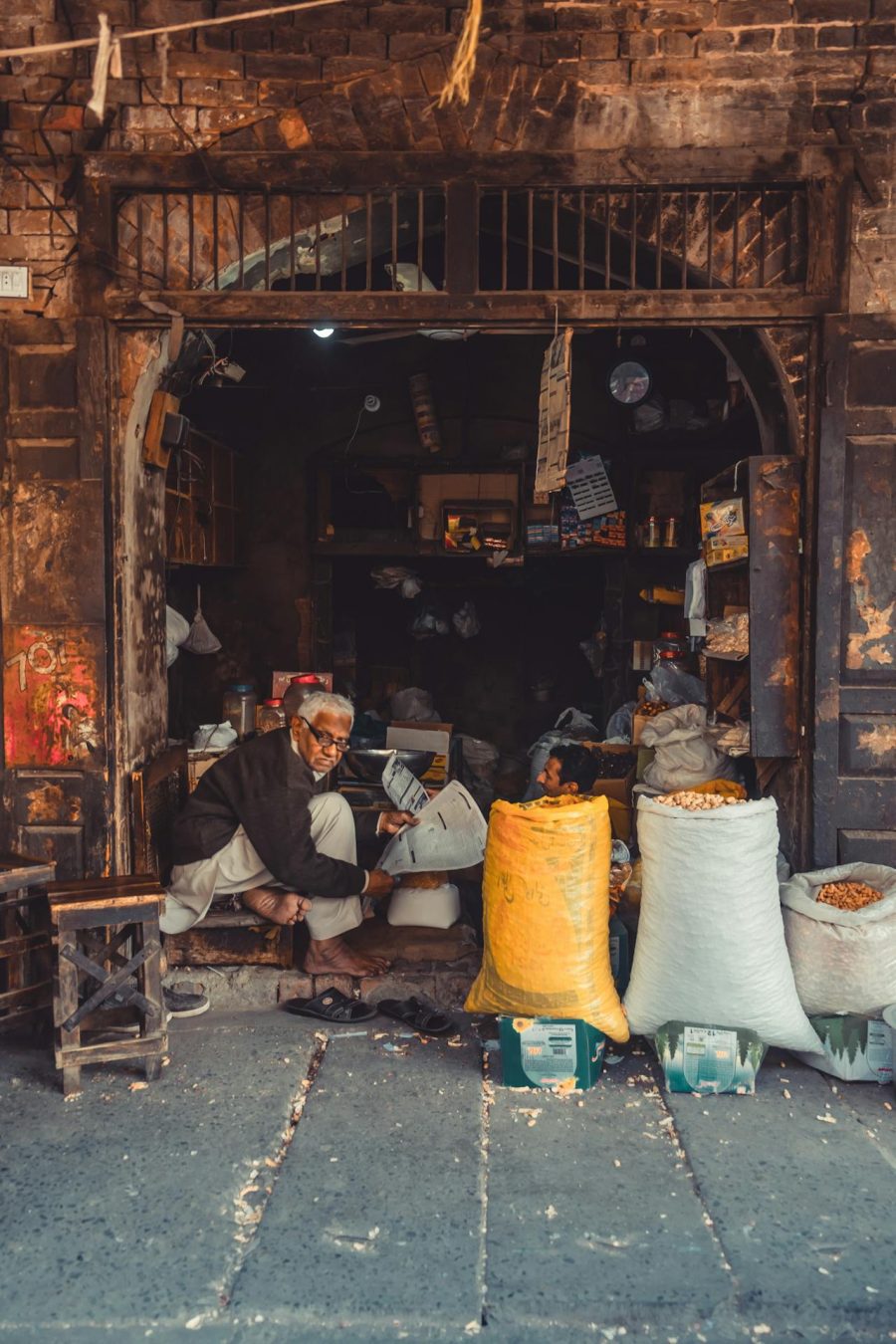
A land where history whispers through the wind, and ancient tales echo in the shadows of majestic monuments. Pakistan, nestled in the heart of South Asia, boasts a rich tapestry of historical sites that bear witness to centuries of civilization, conquest, and cultural exchange. Join us on an enchanting journey as we unravel the secrets of Pakistan’s historical treasures, where every stone tells a story, and every step is a pilgrimage through time.
Lahore: Jewel of the Mughal Empire
To reach Lahore, travellers can fly into the Allama Iqbal International Airport, which serves as the primary gateway for flights to Pakistan. Located approximately 15 kilometres from the city centre, this modern airport offers convenient access to Lahore and its surrounding attractions. Whether you’re arriving from international destinations or domestic cities within Pakistan, Allama Iqbal International Airport provides a seamless travel experience for visitors eager to explore the historical wonders of Lahore.
Our voyage begins in Lahore, the beating heart of Pakistan’s historical legacy. As the capital of the Mughal Empire, Lahore flourished as a centre of art, architecture, and scholarship. The Badshahi Mosque, with its towering minarets and intricate marble carvings, stands as a testament to Mughal grandeur, while the Lahore Fort whispers tales of emperors and conquerors who once walked its hallowed halls.
Taxila: Cradle of Civilization
To reach Taxila, travellers can fly into the Benazir Bhutto International Airport in Islamabad, which is the nearest major airport to the archaeological site. Located approximately 35 kilometres from Taxila, this airport serves both domestic and international flights to Pakistan, providing convenient access for visitors keen on exploring the ancient ruins and historical significance of Taxila. From the airport, travellers can easily arrange ground transportation to reach Taxila and embark on a journey through its fascinating archaeological treasures.
Venturing further into the annals of time, we arrive at Taxila, a UNESCO World Heritage Site and one of the oldest archaeological treasures in Pakistan. Nestled amidst the lush greenery of the Punjab province, Taxila was once a thriving centre of learning and commerce along the ancient Silk Road. Explore the ruins of Taxila’s ancient universities and marvel at the intricately carved Gandhara sculptures, which blend Hellenistic and South Asian artistic traditions in a captivating display of cultural fusion.
Mohenjo-Daro: Gateway to the Indus Valley Civilization
To reach Mohenjo-Daro, travellers can fly into the Mohenjo-Daro Airport, also known as the Mohenjo-Daro Airport Terminal. This airport serves as the primary gateway for visitors seeking to explore the ancient ruins of Mohenjo-Daro, located in the Sindh province of Pakistan. While the airport primarily caters to domestic flights to Pakistan, it also offers limited international connections. From the Mohenjo-Daro Airport, travellers can easily arrange ground transportation to reach the archaeological site and immerse themselves in the rich history of this ancient civilisation.
Our odyssey takes us back even further in time, to the enigmatic ruins of Mohenjo-Daro, the crown jewel of the Indus Valley Civilization. Located in present-day Sindh province, Mohenjo-Daro was one of the world’s earliest urban settlements, boasting advanced city planning, drainage systems, and monumental architecture dating back to the Bronze Age. Wander through the labyrinthine streets of this ancient metropolis and marvel at the Great Bath, a testament to the ingenuity of its inhabitants.
Takht-i-Bahi: Serene Monastery in the Swat Valley
To reach Takht-i-Bahi, travellers can fly into the Bacha Khan International Airport in Peshawar, which is the nearest major airport to the archaeological site. Located approximately 15 kilometres from Takht-i-Bahi, this airport serves both domestic and limited international flights to Pakistan, offering convenient access for visitors eager to explore the ancient Buddhist monastery. From the airport, travellers can easily arrange ground transportation to reach Takht-i-Bahi and delve into its serene surroundings and historical significance.
Nestled amidst the picturesque mountains of the Swat Valley, Takht-i-Bahi stands as a serene sanctuary of Buddhist spirituality. Dating back to the 1st century CE, this ancient monastic complex is perched atop a rocky hilltop, offering panoramic views of the surrounding valley. Explore the intricately carved stupas, monastic cells, and courtyards, where monks once sought enlightenment amidst the tranquil beauty of nature.
Harappa: Tracing the Roots of Civilization
To reach Harappa, travellers can fly into the Allama Iqbal International Airport in Lahore, which is the nearest major airport to the archaeological site. Located approximately 200 kilometres from Harappa, this airport serves both domestic and international flights to Pakistan, providing convenient access for visitors keen on exploring the ancient city. From the airport, travellers can easily arrange ground transportation to reach Harappa and immerse themselves in its rich historical heritage.
Our journey concludes at Harappa, another jewel in the crown of the Indus Valley Civilization. Situated along the banks of the Ravi River in Punjab province, Harappa was one of the major urban centres of ancient India, dating back over 5,000 years. Explore the meticulously planned streets, residential quarters, and public baths of this ancient city, where archaeologists have unearthed a treasure trove of artefacts shedding light on the daily life and rituals of its inhabitants.
Conclusion: A Heritage Preserved
As we bid farewell to Pakistan’s historical sites, we are reminded of the enduring legacy of human ingenuity, creativity, and resilience. From the grandeur of the Mughal Empire to the serene tranquillity of Buddhist monasteries, each historical site offers a glimpse into the rich tapestry of Pakistan’s cultural heritage. Join us on this journey of discovery, where the past comes alive, and history awaits at every turn.