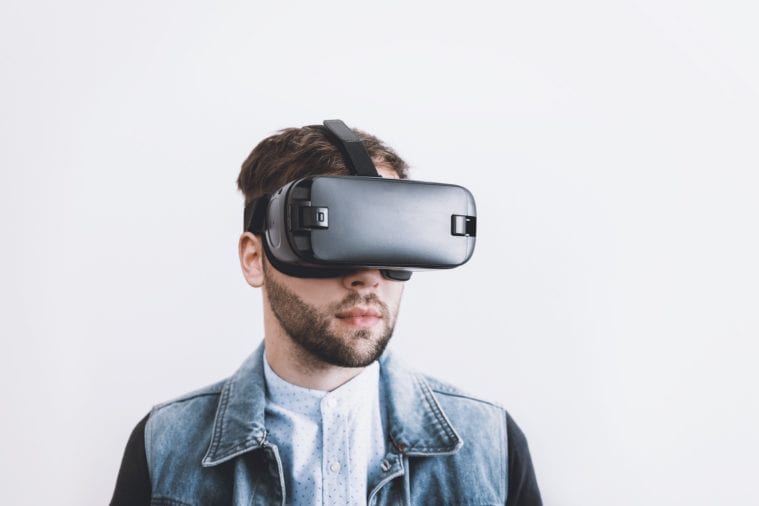
While once considered a technology that would only excite a niche audience of gamers,VR is quickly finding its applications in other areas as well, including corporate learning.
With giants like Walmart and UPS already successfully using the technology, other businesses from across industries are also excited about including the technology in their learning initiatives.
Considering VR technology is associated with better learning outcomes, this excitement surrounding the technology is well-deserved.
However, as with everything new, VR technology is also associated with its share of pitfalls that may put a dent in your efforts to improve your training outcomes. Knowing about these problems is the first step in overcoming them.
Here’s a list of three most common pitfalls associated with using VR in training:
Pitfall 1: Not Assessing Training Needs
VR is an exciting new technology that has proven its mettle as a viable way to train employees. Be that as it may, the truth is, the use cases of VR are still limited, at least in regard to training employees.
In other words, VR training is not applicable to all training scenarios. For this reason, businesses that take the leap with VR without assessing their training needs first, may be in for a disappointing experience.
How To Avoid: By simply taking the time to understand your training needs and finding the best medium to deliver training, you can determine whether or not you require VR technology.
Pitfall 2: Only Depending On VR
Sure, VR has shown some incredible results when it comes to improving retention but that doesn’t automatically mean that the results will be the same for all learners.
Your learners are individuals that may have different learning styles and habits and your training strategy needs to account for these differences. To that end, completely switching to a VR-only medium of training delivery might not be the best idea.
How To Avoid: The simplest way to ensure that individuals with different learning preferences don’t fall behind is to make your training material available in a variety of formats. For VR, the easiest way to do this is to retain your original training material when you adopt the new technology and make both available for your trainees.
Pitfall 3: Not Having A Result Tracking Strategy In Place
In itself, VR technology does not have any provisions for tracking the effectiveness of training. This especially becomes a problem as the tools required to create VR courses are becoming more affordable.
Many businesses jump into developing a VR course without considering how they will be tracking the results.
However, without trackable results, you can never be sure that the investment in VR was worthwhile.
How To Avoid: The best way to avoid this is to work with professional VR learning providers. They will not only be able to advise you about your need of having a VR aspect in training, but they will also help you develop a VR training experience that you can track with ease.
Conclusion
It is clear that VR will play a crucial role in corporate training in the coming years. While there are a number of benefits for early adopters, the application of new technologies comes with its own complexities. It is up to you to understand how VR technology can be used to address the unique training needs of your organization.