Management is a tricky field, especially when your direct reports don’t seem equipped with the ideal frame of mind. Some organisations seem to be filled with self-starters who don’t require micromanagement. In others, the culture is less proactive.
It’s a divide the coronavirus pandemic has highlighted. In a survey of 1,500 hiring managers, 32 per cent said productivity had increased while working remotely – but 23 per cent said output decreased. Company culture, which shapes the way employees relate to their work, may explain this difference.
With August marking a move back to the office for many UK firms, it could be the perfect time to explore ways to get more from your people.
Step one: Make a diagnosis
There are many reasons why a workplace might foster reactive rather than proactive behaviour.
The tasks employees are given might lend themselves to a call-and-response format, for instance. Employees who deal with issues as they arise, such as customer service workers, may naturally fall into a pattern of reactivity unless they are encouraged to take on proactive initiatives. Alternatively, a workplace might be too hierarchical, which can lead more junior team members to feel unchallenged.
Whatever the issue might be, the first step is to identify it. Then, think about what your ideal organisational culture might look like – would it be results-focused, or would an emphasis on learning better suit your line of work?
Step two: Sculpt a fresh business environment
Once you’ve identified where change is needed, it’s time to create change. Culture doesn’t just rise from thin air – you must encourage it to build over time. The best way to do this is by creating structures which reward the type of behaviours and attitudes you’d like to foster.
If you need a quick way to signal cultural change, however, then changing the environment can do the trick.
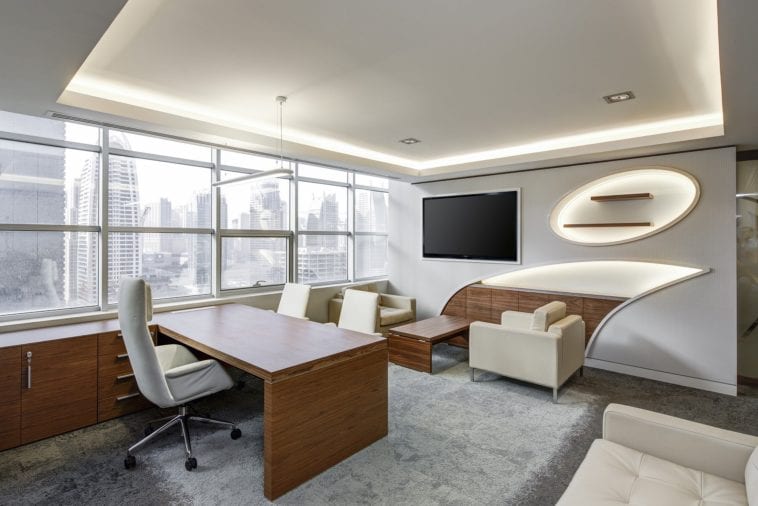
Architecture firm Woods Bagot has devised four potential office designs which combine safety measures with performance-enhancing elements for the 2020 landscape. The idea is to ensure there are benefits to being in a shared space when the time comes.
Screens will allow the at-home portion of the business to dial in, while collaboration – from a safe distance – will become the emphasis.
Think about how you can encourage creativity, positivity or a results-focused drive by making the workplace less about silent working and more about dynamism.
Portable furniture is likely to become important as companies embrace such a shift. Tente’s guide explains the various types of castor wheel on the market, making it easy to find a model that’s suited to different types of furniture and workspaces.
A simple colour change can also make the world of difference. In a study by the University of British Columbia, red was linked to better performance in detail-oriented work, while blue was better suited to creative industries.
Step three: Incentivise change
Identified the problem and signalled that change is afoot? Next comes the most important step: creating incentives which promote organisation-wide change.
The first step is to make proactivity a goal in its own right. Whether you manage 10 office workers or 50 catering staff, communicating the importance of independent thought, problem-solving and initiative can go a long way.
Meet with your direct reports regularly to discuss ways they can improve. Eventually, the self-starting will become second nature.
Beyond this, the way you incentivise change will depend on the type of culture you want to create. Results-based cultures can be forged by offering financial bonuses, while innovative cultures can be fostered by creating awards for the best ideas and solutions.
Moving towards a more proactive culture takes time and talent, but the investment is worthwhile. After all, when everyone’s giving their all, the output is bound to be better.