You may not associate psychology with the business of Forex (foreign exchange) trading, but it is a genuine issue. Forex trading psychology is something every trader must become aware of and trained to handle. Trading psychology encompasses a lot of areas in the industry. Broadly speaking, the term incorporates all of the feelings and emotions that a trader will face in the business. A professional will learn to recognize, identify, and overcome each negative emotion that he and his clients encounter.
In his early years, two emotions must be addressed aggressively. These two emotions eventually affect all persons involved in the trade. They are fear and greed. Left unchecked, fear and greed will create significant problems for you, your business, and your clients. Below, we will give you some expert information that will aid you in turning these problems into tools that will help you grow and advance your position.

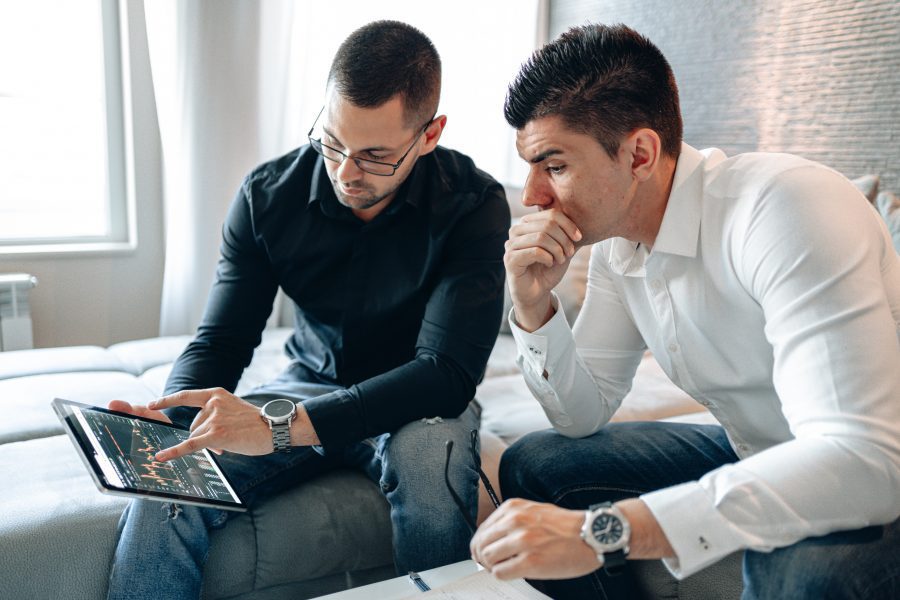
Photo credit: Antoni Shkraba
Survival instinct
Fear is a natural survival response. When there is a threat of harm or pain, the human mind releases hormones that kick the central nervous system into action. In a split second, our entire body is in ‘fight or flight” mode. When we are challenged by the unexpected, we feel fear. Whenever fear is present, there is insecurity. You may be highly educated in the market of trading, but trading is a business that breeds insecurity. There is no other business that brings the intensity of financial trading. To survive in business, we must divorce ourselves from the emotions that we have developed on a personal basis. Successful traders maintain a balance between mental strength and emotional pulls.
When a trader gets disturbing news, he will feel a wave of fear. The news can be a sudden drop in trade prices or a curve in the economy in the wrong direction. He may overreact to the situation without proper training, practice, and maturity. Overreacting can manifest in the form of liquidation or sitting on cash. You are no longer acting on behalf of your company or customer in a situation where you are reacting. This is usually an avoidable mistake. While the overreaction may let you temporarily avoid all kinds of Forex losses, it creates the risk of missing out on gains.
From the beginning, you must make it a priority to embrace three key areas. They are:
- Education
- Anticipation
- Preparation
Staying informed
There is unlimited information available to you. Advanced technology allows you to always stay ahead of the curve. The more you are informed about current news, the less likely you will be surprised by bad news. Some of the information you must stay abreast of include:
- Marketing news
- The economic calendar
- Analytics
- Price forecasts
- Historical price data
- Overall price movements
- Current data from leading financial firms
- JP Morgan Chase
- Fidelity
- The Vanguard Group
Anticipation
The best way to keep fear at bay is to anticipate what is coming. Staying informed allows you to envision all situations that bring disaster. Identifying and anticipating issues, positive or negative, gives you a professional edge. The old saying goes, expect the best, but prepare for the worse.
Preparation
This is the most crucial part of overcoming and controlling fear. The way you deal with the onset of anxiety is critical. Some professionals step away from a situation. Take a walk, have a coffee, or do some stretches while catching your breath. Remind yourself that you have prepared and you have a plan of action.
Be flexible. Concentrate on proven trading strategies and commit to them. Consider using options to mitigate risks. Experiment within reason. Continually assess your position. Review your returns. Take adequate time to reflect on how prepared you are for the trading season. Seek the advice of other professionals in your company.
Greed
A greedy investor hangs on to a position for far too long so they can get every penny of a price trend. Eventually, greed will catch up to them. Psychologytoday.com describes greed as the desire to get more in an excessive way. This is where the problem comes in. Excessively holding firm to a position is exciting, but it is risky. There is a point where risky gives way to recklessness.
Controlling greed is necessary. By being proactive, you can keep greed from mastering your trades. This is where our brains must override our desires. Mastering greed is sometimes the only difference between a good trader and a great one.
Predetermine your risk-reward tolerance. This gives you a better time frame of knowing when to enter and when to exit. Set your profit target and put a stop loss in place.
By setting realistic rules and being committed to carrying them out, you remove the emotional habits that could knock you off track. Focus on your training and on your predetermined fields. When you practice self-discipline over psychological trading, and you adhere to predetermined plans of action, you are virtually unstoppable in the field of Forex trading. For the professional trader, there is no higher form of success.