With biosensors being extensively used in the medical and food industry, more organizations are looking forward to using them in quality control processes. These devices can only be used to check fermentation during yogurt production, soft drinks, and beer.
What are Biosensors?
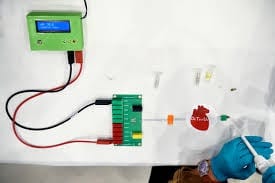
Biosensors are devices comprising a biological element and a physicochemical detector that are used to detect analytes. These instruments have a wide range of applications ranging from clinical through to environmental and agricultural. The devices are also used in the food industry.
Get a customized biosensor device having a physicochemical detector and comprising a biological element that is used to detect analytes.
These types have a wide range of applications ranging from the environmental to clinical to agricultural. With the development of technology, getting a customized biosensor is no longer a difficult task.
Some fields using biosensor technology include:
- General healthcare monitoring
- Screening for disease
- Veterinary and agricultural applications
- Industrial processing and monitoring
- Clinical analysis and diagnosis of disease
- Environmental pollution control
Why are Biosensors Important?
The recent innovations in electronics and microfabrication techniques have led to an increased interest in the use of biosensors.
One such type includes implantable biosensors. These biosensors can provide continuous data on the levels of a target analyte. Subsequently, this enables trends and changes in analyte levels without intervention from either the clinician or patient.
Moreover, these biosensors have great potential in monitoring, managing, diagnosing, and treating diseases.
Electrochemical Biosensors
Another popular type includes electrochemical biosensors. These have the potential to offer rapid and sensitive detection of a wide range of biomarkers. Moreover, they also provide amenability to miniaturization coupled with the reduced cost of instrumentation.
These devices can assess health status, disease onset, and progression and monitor treatment outcomes through a non-invasive method.
With early disease diagnosis critical for patient survival and successful prognosis, sensitive and specific biosensors are being developed.
Growing Demand for Biosensors
With the growing demand for medical diagnostics for disposable and straightforward devices, biosensors are being used. Not only are they user-friendly and cost-efficient, but it is also suitable for mass production.
Moreover, biosensor technologies can fulfill all these issues through an interdisciplinary combination of approaches from nanotechnology, medical science, and chemistry.
“The analysis of biomarkers in body fluids such as blood, urine and others is one of the methods applied in the detection of the disease. Multi-marker profiles, both presence and concentration level, can be essential for the diagnosis of early disease onset.
Biosensors provide information to assist clinicians in making successful treatment decisions and increasing patient survival rate.”
Moreover, clinical analyses are no longer carried out exclusively in the clinical chemistry laboratory. Consequently, measurements of analytes in biological fluids can be performed at various locations with the help of biosensors.
Also, hospitals are increasingly being used by caregivers in non-hospital settings and by patients at home. These factors make biosensors very attractive compared to contemporary chromatographic and spectroscopic techniques.
Biosensors have received considerable attention in the last years. One of the prime reasons for this is that they provide information about antibodies’ binding to antigens.
Did we miss out on any of your favorite facts? Let us know in the comments below!