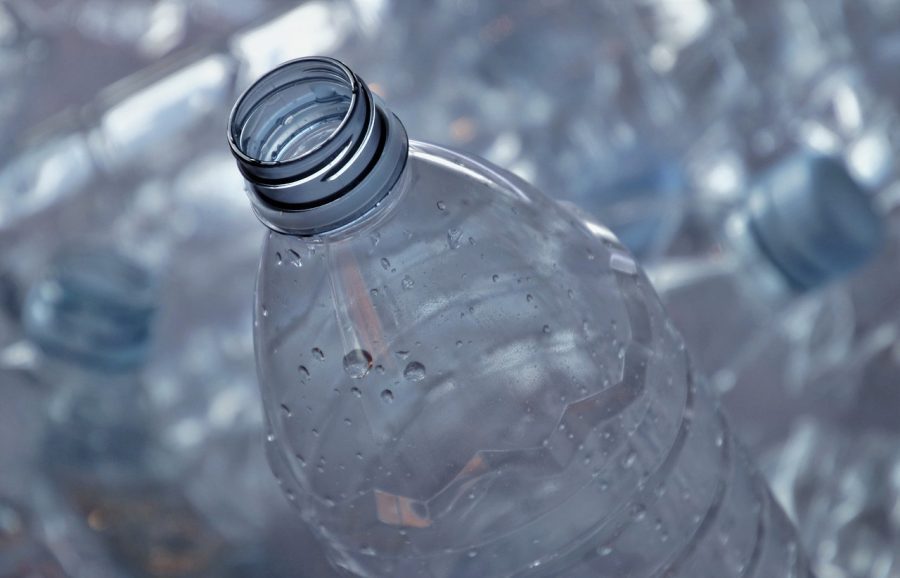
In today’s world, the importance of sustainable living cannot be overstated. With the ever-increasing concerns about climate change, pollution, and the depletion of natural resources, we must adopt eco-friendly practices in every aspect of our lives.
One area where we can make a significant impact is in waste removal. Changing our habits and adopting sustainable waste removal practices can reduce our environmental footprint and contribute to a healthier planet.
The Problem with Conventional Waste Removal
Conventional waste removal methods, such as landfilling and incineration, significantly negatively impact the environment.
Landfills, for instance, are enormous pits where trash is deposited, taking up valuable land space and often encroaching on natural habitats. Over time, these landfills emit harmful greenhouse gases like methane, a potent contributor to climate change. Moreover, the waste within landfills can release toxic substances into the soil and groundwater, posing serious environmental and health risks.
On the other hand, incineration involves burning waste to reduce its volume. While it can reduce the amount of physical space needed for waste disposal, it releases pollutants and toxic chemicals into the atmosphere. These emissions contribute to air quality problems and can harm human health.
These conventional methods are unsustainable and detrimental to our planet’s health.
Eco-Friendly Waste Removal Practices
Fortunately, there are several eco-friendly waste removal practices that individuals and communities can adopt to reduce their environmental impact:
1. Reduce, Reuse, Recycle:
The three Rs are the foundation of eco-friendly waste removal. Start by reducing your waste generation by being mindful of your consumption. Buy products with minimal packaging and avoid single-use items.
Reducing waste begins with conscious consumer choices. Before making a purchase, ask yourself if you truly need the item and if it’s packaged responsibly. By reducing unnecessary consumption, you can significantly decrease the amount of waste you generate.
Reuse items whenever possible. Many items can be repaired, repurposed, or donated instead of being discarded.
Reusing is a powerful way to extend the lifespan of products and reduce the demand for new ones. Consider repairing or refurbishing items that are slightly damaged rather than replacing them. Additionally, donating gently used items can benefit others and divert waste from landfills.
Recycling is essential for diverting materials from landfills and reducing the need for new resource extraction. Make sure to follow your local recycling guidelines to maximize its effectiveness.
Recycling conserves resources and reduces energy consumption. Familiarize yourself with your local recycling program to ensure you recycle correctly. Different materials may have specific requirements for recycling, so it’s crucial to sort and dispose of recyclables properly.
2. Composting:
Composting organic waste like food scraps and yard trimmings can divert a significant portion of your waste from landfills. Compost enriches the soil and reduces the need for chemical fertilizers.Composting is a natural and effective way to recycle organic materials. Instead of sending food scraps and yard waste to landfills, where they generate methane, you can turn them into nutrient-rich compost that improves soil quality and reduces the need for synthetic fertilizers.
3. Donate and Freecycle:
Before throwing away items you no longer need, consider donating them to local charities or using online platforms like Freecycle to give them a new home.
Donating and freecycling items still in good condition can help extend their useful life. Many people need essential items, and by sharing what you no longer require, you contribute to reducing waste and helping others in your community.
4. Hazardous Waste Disposal:
Properly dispose of hazardous materials like batteries, electronics, and chemicals at designated collection points to prevent environmental contamination.
Hazardous materials can pose significant environmental and human health risks if not disposed of correctly. Most communities have facilities or programs for the safe disposal of hazardous waste. Take advantage of these resources to protect the environment and your community.
5. Bulk Shopping and Package-Free Stores:
Reduce packaging waste by buying in bulk and visiting package-free stores where you can refill containers with household products.
Buying in bulk and patronizing package-free stores can significantly reduce the amount of packaging waste you generate. Bring your reusable containers and bags to these stores to fill up on essential items like grains, cleaning supplies, and personal care products.
6. Participate in Community Cleanups:
Join or organize community cleanup events to help remove litter and waste from public spaces, rivers, and parks.
Community cleanups are an excellent way to make a tangible difference in your local environment. By volunteering to remove litter and debris from public spaces, you beautify your community and prevent waste from entering natural ecosystems.
7. Explore Alternative Waste Solutions:
Stay informed about innovative waste removal methods like waste-to-energy technologies and advanced recycling processes that can further reduce the impact of waste disposal.
As technology advances, new waste removal methods continue to emerge. Research and support innovative solutions that have the potential to revolutionize waste management, such as waste-to-energy conversion processes that generate clean energy from waste.
8. Mindful Disposal:
When disposing of waste, be sure to separate recyclables, compostables, and non-recyclables correctly. This ensures that materials are processed appropriately.
Proper waste sorting is essential to ensure that recyclable and compostable materials are diverted from landfills and sent to facilities that can process them appropriately. Familiarize yourself with your local waste disposal guidelines to make informed decisions about where each type of waste should go.
Conclusion
Eco-friendly waste removal is not just a buzzword; it’s a necessary and responsible way of living in today’s world. By embracing practices like reducing, reusing, recycling, composting, and participating in community cleanup efforts, we can all positively impact the environment.
Waste removal doesn’t have to burden the planet; it can be an opportunity to live more sustainably and reduce our carbon footprint. So let’s consciously prioritize waste removal practices that benefit both us and the Earth.
In a world where waste removal is vital in environmental sustainability, taking action and being part of the solution is essential. We can create a cleaner, greener, and more sustainable future for all. Make waste removal a key aspect of your sustainable living journey, and watch as you contribute to a healthier planet, one eco-friendly choice at a time.