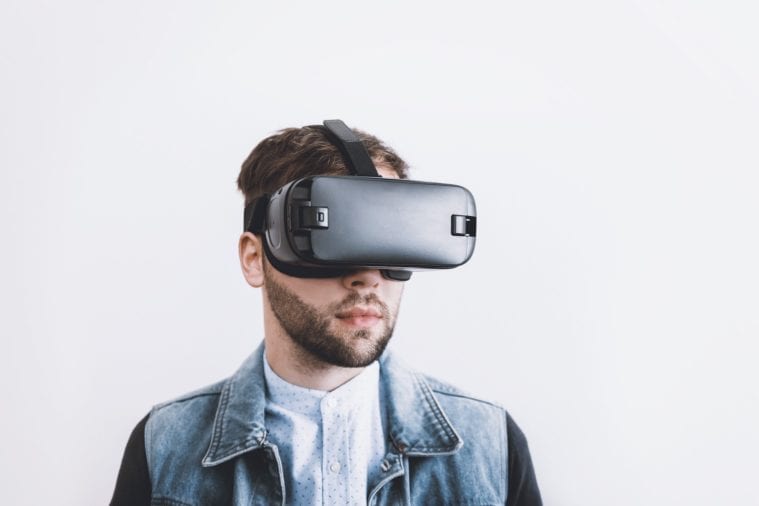
Virtual Reality (VR) gaming has surged in popularity over recent years, promising immersive experiences that transport players to fantastical worlds. However, the allure of VR’s immersive potential often overshadows a critical aspect of game development: accessibility and inclusivity. Designing VR games for diverse audiences and user needs is not merely a matter of ethics but also broadens market reach and enhances user satisfaction. This article explores the importance of accessibility and inclusivity in VR game testing, highlighting strategies to ensure these experiences are accessible to all.
Understanding Accessibility and Inclusivity
Accessibility in VR gaming refers to the design and testing processes that ensure users with disabilities can fully engage with and enjoy the game. This includes considerations for players with physical, sensory, and cognitive impairments. Inclusivity goes a step further, aiming to create gaming experiences that cater to a wide range of demographics, including different ages, genders, cultures, and socio-economic backgrounds.
The Importance of Accessibility in VR
VR gaming’s immersive nature presents unique challenges and opportunities for accessibility. The hardware and software requirements, coupled with the physicality of VR interactions, can pose significant barriers. For instance, players with limited mobility might struggle with games that require extensive physical movement, while those with visual or auditory impairments might miss critical game elements presented in these modalities.
Accessible VR games can enhance the quality of life for individuals with disabilities, providing opportunities for social interaction, relaxation, and skill development. Moreover, inclusive design benefits all players by fostering diverse and rich gaming experiences.
Strategies for Accessibility and Inclusivity Testing
- User-Centered Design: Involving users with disabilities throughout the development process ensures that their needs and preferences are directly addressed. This iterative approach helps identify accessibility barriers early on and incorporates feedback from real users, making the final product more inclusive.
- Adhering to Accessibility Standards: Developers should follow established guidelines, such as the Web Content Accessibility Guidelines (WCAG) and the Accessible Rich Internet Applications (ARIA) standards, adapted for VR environments. These guidelines provide a framework for making digital content accessible to people with various disabilities.
- Customizable Controls and Settings: Offering customizable controls, including the ability to remap buttons and adjust sensitivity, can significantly improve accessibility. For instance, players with limited hand dexterity might benefit from simplified controls or alternative input methods like voice commands.
- Visual and Auditory Adjustments: Implementing options for text size adjustment, color contrast, and alternative text for visual elements helps accommodate players with visual impairments. Similarly, providing subtitles, closed captions, and alternative audio cues can assist those with hearing impairments.
- Physical Space Considerations: Ensuring that VR games can be played in various physical spaces and do not require extensive movement is crucial for players with limited mobility. Seated play modes and the ability to adjust the play area can make VR games more accessible.
- Cognitive Accessibility: Simplifying game interfaces, offering tutorials, and providing clear, concise instructions can aid players with cognitive disabilities. Moreover, allowing for variable game speeds and difficulty levels can help tailor the gaming experience to individual needs.
- Inclusive Representation: Characters and narratives that reflect diverse backgrounds and experiences can make games more relatable and engaging for a broader audience. Developers should strive for authentic representation and avoid stereotypes.
Testing Methods
- Usability Testing with Diverse Users: Conducting usability tests with players from various demographics, including those with disabilities, provides valuable insights into the accessibility and inclusivity of the game. Observing how different users interact with the game helps identify and address potential barriers.
- Automated Testing Tools: Employing automated testing tools to check for compliance with accessibility standards can streamline the development process. These tools can detect issues such as inadequate color contrast, missing alternative text, and other common accessibility problems.
- Feedback Loops: Creating channels for continuous feedback from players ensures that accessibility improvements can be made post-launch. Forums, surveys, and direct communication with players can highlight ongoing issues and areas for enhancement.
Conclusion
Accessibility and inclusivity testing in VR games are vital for creating equitable gaming experiences. By adopting user-centered design practices, adhering to accessibility standards, and implementing customizable features, developers can ensure that VR games are enjoyable for all players. The goal is not only to comply with legal and ethical standards but also to foster a gaming community that values and celebrates diversity. As the VR industry continues to grow, prioritizing accessibility and inclusivity will be key to its sustainable and inclusive development.