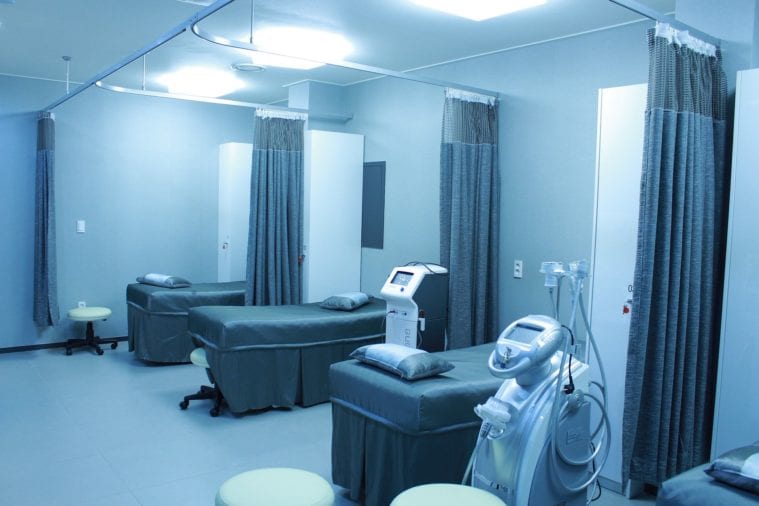
We have been using medicine and technology to solve health problems since at least 3300 BC and it’s been evolving and innovating ever since.
Today we make use of computing and Artificial Intelligence (AI) to support the development of cutting-edge medicine and pioneering operations.
Now medical technology is more important than ever and so we have delved into some ways in which medically certified professionals can help healthcare be more effective for its practitioners and patients.
Robots Performing Major Surgeries
American entrepreneur, Elon Musk recently introduced a new implantable brain chip that monitors neural activity. The chip, which is referred to as Neuralink, is currently being tested where it’s inserted in the brain of a test animal using robot surgeons and sending signals in real-time whenever there was activity in that part of the brain.
Not only is this a remarkable but it’s also a representation of how robot-assisted surgeries could help in complex situations in the future.
Surgery is a highly specialised field and results often depend on the skill of the surgeon meaning there is always the risk of human error and in some cases operations can be too complicated for even the most skilled surgeon.
Fortunately, with the development of Neuralink and other robot-assisted surgeries similar procedures that require extreme precision, like microsurgeries and brain operations, if carried out with the help of surgical robots, could considerably reduce risk to the patient.
Due to their size and ‘laser focus’, these robots can access hard-to-reach parts of the body and operate on them with minimal invasion. Subsequently, these significantly bring down the risk of infection or complications after the operation and the smaller incisions also mean a reduced stay in hospital and quicker recovery time.
Genomic Testing over Genetic Testing
Genomics is the study of genes and how they affect the body. Genomic testing is a newer field to genetics and refers to the process of observing an entire genome. Genes hold vast amounts of information and therefore have only been able to be fully ‘decoded’ since we’ve had enough technological computing power.
Genomic testing is different from genetic testing because it looks at all of a person’s genes, rather than focusing on a specific gene, or set of genes.
Computers that can handle ample quantities of data, are being used by scientists every day to decipher the role of genes in human health and can now explain how they can affect the likelihood of contracting a disease.
The biggest advantage of genomics. however, is that it can help detect cancer, which, as a result, can help medicine become more focused. These solutions, in turn, can reduce the need for preventative surgeries or over-medication.
3D Bio-Printing for Prosthetics
Prosthetics are expensive and cost is often a main factor when considering prosthetics, especially for children, as they quickly outgrow their artificial limbs and need regular replacements. But 3D bio-printing could make prosthetics more accessible than ever. Medical manufacturers are already printing 3D bionic limbs, which are much cheaper than traditional versions.
It doesn’t end there, not only will manufacturers be able to print out prosthetics but also organs for transplants.
The torturous wait for replacement organs that many patients have to endure could soon be over. With 3D bio-printing, patients would only need to wait as long as it takes to create the organ.
As well as the shortened waiting period, 3D printed organs can be built using a patient’s cells, which are artificially grown and layered to create living tissue. This could considerably reduce the chance of organ rejection or the need for drugs to suppress the immune system.
Last but by certainly not least, 3D printed organs could eliminate the need for animal or even human testing. This may pave the path for personalised medicine, developed for an individual after testing it on organs and tissues created from their cells.
Diagnoses and Treatments
AI eliminates the risk of the human brain missing details. Equally, the use of computers can be more efficient and accurate when it comes to reviewing vast amounts of data quickly. It saves time, money and resources and the quality makes them perfect for making diagnoses based on previous medical history, no matter how long or complicated.
When it comes to administrative hospital tasks, including helping to schedule procedures, monitoring patients after surgery, or even requesting stock AI also has a place.
Technology could also make complex medical information easier to understand. Multinational medical equipment manufacturing company, Smith & Nephew (S&N) are at the forefront of digital health innovation and have recently adopted new bespoke business applications that interpret surgical procedural data.
S&N’s surgical robot is used during procedures to generate rich data, which could offer surgeons valuable insights into operating performance and outcomes. But the data is so complex that, until now, only specialist engineers could interpret it.
The solution is an excellent example of how AI can process and simplify complex information. It allows medical professionals to understand the insights produced as a result of the use of robotics in medicine and surgeries. For individuals considering a career in medicine, these advancements also highlight how healthcare is becoming increasingly connected to data analysis, digital tools, and collaborative technology. While innovation continues to reshape the industry, there will still be a strong need for compassionate professionals who can apply these insights to real patient care and decision-making
As you can see, the medical industry can be made much safer and more efficient with the use of technology. With the right technological partner, you can create processes and solutions that will benefit you and your patients immensely.