Business security affects far more than loss prevention. How a company manages sites, staff access, and operational data can affect productivity, customer trust, and its ability to expand. Disconnected systems often create duplicated work, inconsistent procedures and gaps in visibility, especially as an organisation adds locations.
An integrated security strategy brings these functions together. It gives decision-makers a clearer view of daily operations while helping teams respond quickly when something goes wrong. That combination can support growth without allowing complexity to rise at the same rate.
Security as a Strategic Investment
Treat security spending as part of the wider business plan and connect it to measurable outcomes. A system that reduces manual checks, simplifies site management or prevents unnecessary closures can deliver value beyond its core protective function.
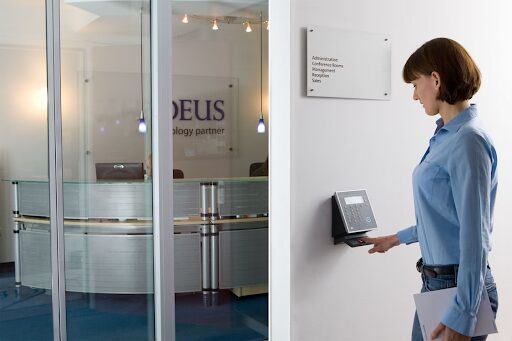
Before approving an investment, identify the operational issue it should solve. A growing company might need to manage employee permissions across ten offices without maintaining separate records for each location. In that case, modern access control can centralise permissions, automate routine processes and give authorised teams a clearer view of activity.
Set practical measures from the outset, such as time spent issuing credentials, contractor processing times and the number of avoidable call-outs. These figures make it easier to assess performance after implementation.
The Power of Unified Platforms
Separate systems force teams to switch between screens and piece together information under pressure. A unified platform places relevant alerts, building information and operating procedures in one environment, reducing the effort required to understand what’s happening.
This approach becomes particularly valuable when security, facilities and IT share responsibility for business continuity. The integrated security operations model shows how connected processes can support wider business value instead of operating as an isolated function.
Start by mapping the systems staff use during a typical shift. Look for repeated data entry, alerts that lack context and tasks that depend on one experienced employee. These are strong candidates for integration or automation. A phased rollout at one site can reveal workflow problems before the platform expands across the organisation.
Improving Incident Response
Fast response depends on clear information and defined responsibilities. If an alert arrives without a location, priority level or relevant instructions, employees lose valuable minutes checking basic details. Integrated systems can present that context in a single dashboard and guide staff through an agreed procedure.
Consider an unauthorised entry alert at an office outside normal hours. The response team should be able to confirm the location, review related activity, notify the correct manager and record each action without searching across several applications.
Test these workflows through regular exercises. Track how long it takes to acknowledge an alert, assign responsibility and resolve the issue. Review any delays afterwards, then adjust escalation rules and contact lists. Clear processes also reduce dependence on individual memory when staff are absent, or teams change.
Data for Better Decisions
Security systems generate useful operational data, including building occupancy patterns, recurring alerts and response times. When leaders analyse that information responsibly, they can improve staffing, property use and maintenance schedules.
A dashboard might show that one entrance creates a queue every Monday morning or that repeated alerts come from a poorly configured door sensor. Those findings support specific fixes and give managers evidence for spending decisions. IBM’s work on unified cybersecurity platforms also highlights the business value of bringing fragmented information and processes together.
Keep reporting focused. Choose a small set of measures linked to business goals, review them at a fixed interval and assign someone to act on unusual trends. Apply clear retention and permission policies so operational insight doesn’t come at the expense of privacy.
Attracting and Retaining Talent
Employees notice when workplace security systems create delays or confusion. Long waits for building credentials, inconsistent visitor procedures and unclear incident instructions can make an organisation feel poorly managed. Reliable systems create a more professional experience from a new starter’s first day.
Integration can also remove repetitive administration from security, reception and facilities roles. If approved employee details flow into the relevant permission process, staff spend less time copying records and correcting avoidable mistakes. They can focus on service quality, training and higher-value operational work.
Ask employees where current processes cause friction and include front-line teams in system testing. Their feedback often reveals issues that senior managers cannot see from reports alone. A workplace that grants the right access promptly, responds consistently and respects personal data gives skilled people practical reasons to stay.
Image Credit: Pexels