Safety in the workplace spans from the ground up, starting with the very floors underfoot to the overarching protocols that guide daily operations. The careful integration of non-slip flooring and personal protective equipment forms just the beginning of a comprehensive safety strategy.
As environments grow more dynamic, the emphasis on clear emergency procedures and regular employee training becomes more pronounced. Crafting a space that not only meets but exceeds safety standards not only protects individuals but also nurtures a culture of mindfulness and responsibility.
Non-Slip Flooring to Prevent Accidents
In any workplace, the risk of slips and falls cannot be underestimated, particularly in areas prone to wetness or spills. Anti-slip floor paint emerges as a crucial ally in mitigating these hazards, offering a simple yet effective solution to enhance safety. By providing a textured surface that increases traction underfoot, this specialised coating significantly reduces the likelihood of accidents. It works by incorporating fine particles within the paint, creating a strong surface grip even when wet.
This not only safeguards employees against potential injuries but also contributes to a more secure and confident working environment. Integrating non-slip paint into high-traffic or risk-prone areas becomes an essential step towards fostering a safer workplace, demonstrating a proactive approach to employee welfare.
Mandatory Personal Protective Equipment (PPE)
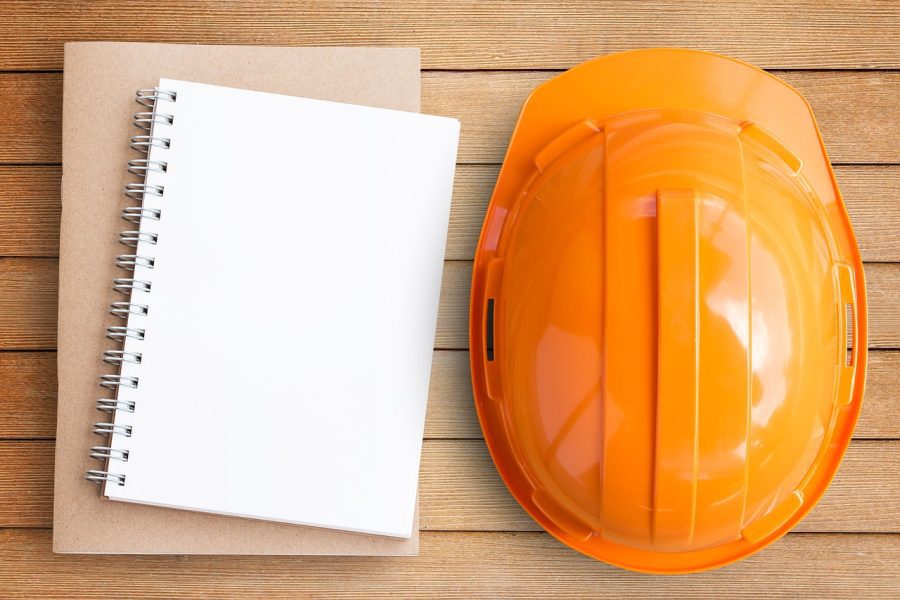
Personal Protective Equipment, or PPE, stands as the first line of defence in protecting workers from potential hazards. Whether it’s gloves shielding hands from chemicals, helmets defending against falling objects, or safety glasses preventing eye injuries, PPE is an indispensable safety requirement across diverse working environments. Each piece is designed with a specific purpose in mind, tailored to counteract the risks prevalent in different sectors.
By mandating the use of PPE, workplaces not only comply with health and safety regulations but also demonstrate a tangible commitment to preserving the well-being of their staff. It’s a testament to the saying that prevention is better than cure, ensuring every task is undertaken with safety at the forefront.
Proper Training Systems on Handling Equipment
The cornerstone of workplace safety lies not just in the equipment used, but in the hands that wield it. Proper training on handling equipment is pivotal, transforming potentially hazardous machinery into tools of productivity and innovation. Comprehensive training programmes ensure that employees are not only aware of the risks but are also equipped with the knowledge to mitigate them.
This education extends beyond initial orientation to include regular updates and refreshers, adapting to new technologies and regulations. Such an approach empowers workers, making them active participants in their own safety and fostering an environment where caution and precision are part of the daily routine. This culture of continuous learning and vigilance significantly reduces the risk of accidents, promoting a safer, more efficient workplace.
Encouraging Regular Breaks
Taking regular breaks might seem counterintuitive in a culture that often values constant productivity, but it’s a critical factor in maintaining workplace safety and well-being. Continuous work without adequate rest leads to fatigue, which can significantly impair judgement, reaction times, and overall performance.
Encouraging breaks not only revitalises employees but also reduces the likelihood of accidents stemming from tiredness. These pauses in the workday offer moments for mental and physical respite, allowing individuals to return to their tasks refreshed and more alert. Instituting a culture that values breaks as much as achievements contributes to a healthier, more productive workplace where safety is naturally enhanced.
Marked Emergency Exits
The clarity and accessibility of emergency exits are fundamental to workplace safety, serving as critical escape routes during emergencies. Regular maintenance to ensure these exits are not only clearly marked but also unobstructed is essential for a swift evacuation. Beyond mere compliance with safety regulations, the practicality of clear emergency pathways reflects a deep-seated commitment to the welfare of every individual on the premises.
By conducting routine checks and drills, organisations reinforce the seriousness with which they regard emergency preparedness. Such diligence not only minimises the risks associated with potential emergencies but also instils a sense of security among employees, knowing that their safety is a top priority.
Clear Safety Protocols in Place
Establishing clear safety protocols goes beyond drafting documents; it’s about embedding a culture of safety that permeates every level of an organisation. These protocols serve as a blueprint for preventing accidents and managing emergencies, detailing specific actions and responsibilities. From the correct use of equipment to the steps to be taken in the event of a spill or fire, these guidelines ensure everyone is prepared and informed.
Regular training and drills reinforce these protocols, ensuring they are not just understood but ingrained in daily operations. Moreover, clear communication channels for reporting hazards and incidents encourage a proactive approach to safety, making it a shared responsibility. This collective vigilance creates an environment where safety is not just practised but lived, significantly reducing the risk of accidents and enhancing overall workplace security.