The Zoomer generation, also known as ‘Gen Z’, is fast becoming the would-be golden calf of the retail industry. It’s becoming increasingly important for retail brands and clothing companies to cater to this populous generation, as their buying power slowly increases and the great wealth transfer from their baby boomer parents and grandparents comes to fruition. Unlike generations before them, the Zoomers have other qualities they look for in a brand or item of clothing, other than how it looks and how much it costs. A pair of Nike sneakers will be assessed on how it got made and how it will last, and superdry jackets will be chosen not for their fashion sense but for consideration of the environment.
 https://unsplash.com/photos/68csPWTnafo
The Cost of Fashion
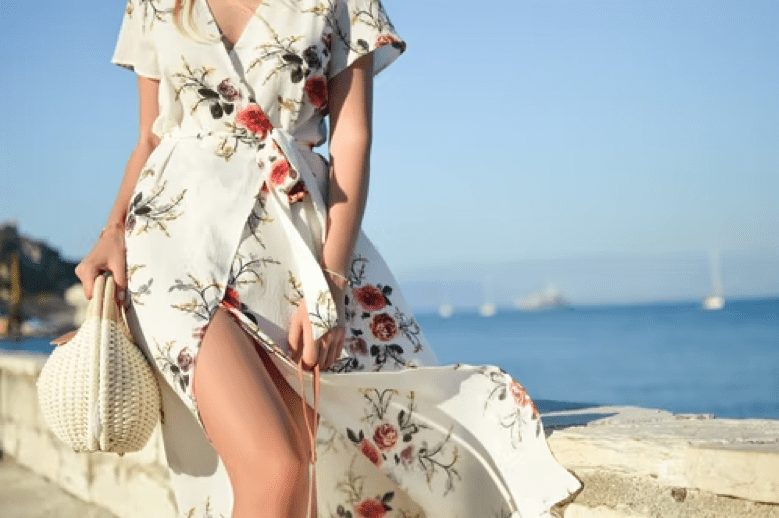
The measuring stick with which older generations measured fashion in the past has been bedazzled and deconstructed at the same time by the Zoomer generation. No longer are young people happy to buy something because it looks good. The criteria for a Gen Z consumer to purchase something has expanded to include more social and environmental issues. They want to know that their purchase is making a difference in the world somehow, and they also want to know that the item they’re purchasing has been sustainably sourced and hasn’t harmed the environment.
While this may be a broad-strokes approach to the Zoomer code of conduct in retail, there is merit in the fact that a company like Abercrombie & Fitch has seen a decline in popularity amongst younger consumers, while a company like Patagonia has the ‘responsible’ stamp of approval by Gen Z consumers.
https://unsplash.com/photos/ycVFts5Ma4s
The Digital Age
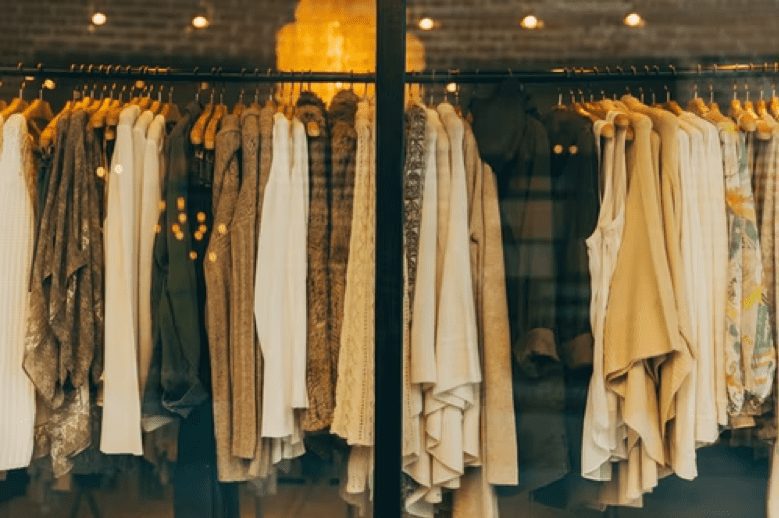
Generation Z spends more time online than any generation before them. A study by Adobe showed that teenagers in the UK spend over 10 hours per day connected to the internet via various devices. However, for the Zoomers, it’s all about social connection. Whether online or in-person, the main pull for Gen Z is their friends. Interestingly, for a generation that spends so much time online, a survey revealed that 67% of them still prefer in-person shopping. The main draw card of a visit to the mall is their friends and the excitement of social interaction.
Young people have come to expect the same experience that they have online, in a physical store. They expect the convenience of a one-click purchase and no hassles. If a retail store can get both these avenues right, the online and the physical (maybe even both together!) you’ve got a very high chance of winning a new Zoomer to your customer database.

https://unsplash.com/photos/Q59HmzK38eQ
Personalised Commerce
One of the major shifts in consumer habits by the Zoomers is their need for personal engagement and interaction with brands and businesses they want to support. The most successful brands amongst Gen Z’s are creating virtual communities and discussion forums where young people can interact and engage with each other while buying trendy clothes from an honest-to-goodness friendly face. They seem to be tired of spending their money on big brands that don’t have a face behind the brand and don’t seem to care too much about individual customers.
Most Zoomers tend to prefer personal commerce over commercial commerce, especially if it provides them with a platform to interact with their friends and make new ones.
The Generation of the Future
It’s no surprise that the Zoomer generation (and millennials, to a degree) are having a profound impact on the way that big brands do business. In a time where social justice and activism have become cool again, Gen Z is leading the fight towards whole representation in the workplace, equality among the genders, non-discrimination, and climate change.
This generation seems to have realised the kind of world they want to live in, and it’s seeping into every facet of social life, including big business. Their growing resentment towards big corporations and companies is a representation of the distrust and disillusionment that has been sowed and cultivated over the years, and the time has now come for change, according to the next generation.
Conclusion
While more and more Gen Z consumers enter the working world over the coming years, their buying power will continue to grow. Retailers and businesses alike will be increasingly reliant on catering to their needs to maintain their business. Amazon CEO Jeff Bezos talks about the importance of always leaving one empty chair in every meeting at his company. The empty chair represents the view of the customer. It ensures his team always remembers the customers and their needs when making decisions. The opportunity for retailers and businesses right now is to always visualise a Gen Z consumer sitting in that chair. By understanding the evolving behaviours of the Zoomers now, progressive retailers will be ready for the Zoomer boom that will inevitably shake up the fashion retail world.