Trade shows continue to play an important role in B2B marketing, even as digital channels expand. For many companies, exhibitions remain one of the few environments where buyers can directly experience products and engage with brands in a physical setting.
However, the way companies approach exhibition displays has changed noticeably in recent years. Instead of investing in large, fixed booth constructions, many exhibitors are moving toward lighter and more flexible display systems that can be reused across multiple events.
A Shift in How Exhibitions Are Planned
One of the main drivers behind this change is the increasing frequency of trade show participation combined with tighter operational schedules. Companies are attending more events across different regions, often with limited time for setup and teardown.
This has made speed and portability more important than permanent booth structures. As a result, display systems are now designed with repeated use in mind rather than single-event impact.
Visual Impact Still Matters, but in a Different Way
While efficiency is important, visual impact remains a core requirement in exhibition environments. In crowded halls, exhibitors still need to stand out quickly and clearly.
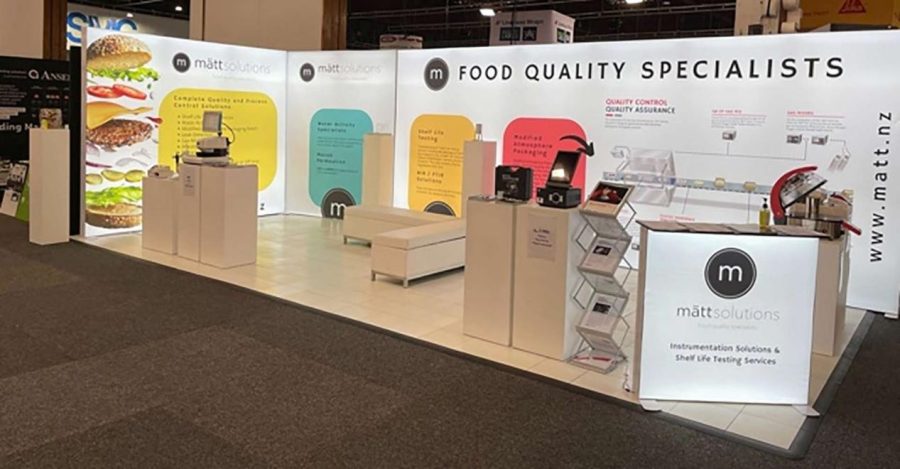
Lighting has become a key factor in achieving this. Backlit fabric systems are widely used because they help maintain consistent visibility across different venue lighting conditions. Compared to traditional printed panels, illuminated surfaces tend to perform better in dense exhibition spaces where attention is limited.
SEG-based backlit systems are now commonly used in this category, including foldable formats such as SEG Foldable Lightbox, which combine illumination with compact transport design.
Operational Pressure Behind the Shift
Beyond visual considerations, there are practical reasons driving this shift. Transportation costs, storage limitations, and reduced installation timeframes all influence how companies select display systems.
Many exhibitors now prioritize solutions that can be packed into smaller volumes and assembled without specialized labor. This reduces dependency on external contractors and allows internal teams to manage more events with the same resources.
At the same time, reusability has become a standard expectation rather than an advantage. Booth components are increasingly expected to function across multiple exhibitions without significant modification.
Standardisation Across Different Exhibition Formats
Another noticeable trend is the move toward more standardized display setups. Instead of designing unique booth structures for each event, companies are working with repeatable systems that can be adjusted to different floor sizes and layouts.
This allows for more consistent brand presentation across regions while reducing the need for repeated design and fabrication work.
In this context, companies such as Frame Plus Display are part of a broader industry shift toward modular and repeatable exhibition infrastructure used across international trade shows.
Conclusion
Trade show display design is gradually moving away from permanent, high-complexity booth builds toward lighter and more adaptable systems. This change is driven less by design preference and more by operational reality—faster schedules, multiple events, and tighter logistics.
As a result, flexible and reusable systems are becoming the default approach for many exhibitors, with lighting-based and foldable display formats increasingly integrated into standard exhibition planning.