Trade shows remain one of the most important channels for small and mid-sized businesses to build visibility, validate products, and establish direct relationships with buyers in competitive B2B markets. Despite the growth of digital marketing, physical exhibitions continue to play a critical role in industries where product presentation and in-person engagement are still decisive factors.
However, participation costs across global exhibition markets have increased significantly in recent years. Expenses related to booth space, logistics, installation, and labor are placing more pressure on smaller exhibitors. As a result, many businesses are reconsidering not just where they exhibit, but how they structure their booth systems and visual presentation strategy.
The Shift Toward Reusable Exhibition Systems
One of the most noticeable changes in the trade show industry is the shift away from single-use booth builds. Traditionally, exhibitors would invest in custom-built stands designed for a specific event, often requiring reconstruction or disposal after the show.
This model is increasingly being replaced by reusable and modular systems that can be deployed across multiple exhibitions. The main advantage of this approach is operational efficiency. Instead of redesigning and rebuilding each time, exhibitors can reconfigure existing components to fit different booth sizes and venue layouts.
This also improves consistency in brand presentation. A standardized system allows businesses to maintain a stable visual identity across different markets, regardless of location or exhibition scale.
Modular Design and Operational Flexibility
Modular exhibition systems are designed to support scalability. Businesses can expand or reduce booth size depending on event requirements without replacing the core structure. This flexibility is particularly important for companies that participate in multiple trade shows across different regions.
From a logistics perspective, modular systems also reduce transportation complexity. Lightweight components and simplified assembly processes make it easier for small teams to manage setup and dismantling without relying heavily on external contractors.
Within this evolving category of exhibition solutions, companies such as Frame Plus Display are often referenced in the industry for developing modular display systems that support multi-event deployment and adaptable booth configurations.
The Role of Visual Lighting in Exhibition Performance
In modern trade show environments, visual competition is intense. Exhibitors are often placed in close proximity, and visitor attention spans are limited. As a result, visual impact has become a key performance factor in booth design.
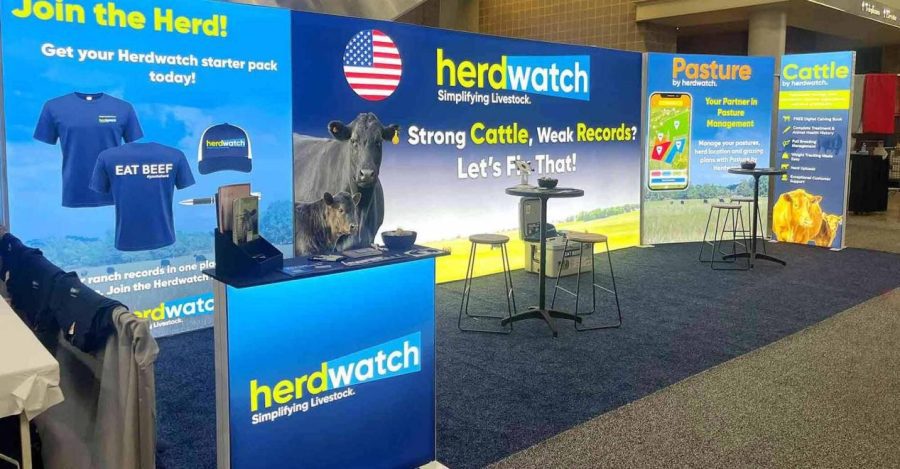
Lighting is one of the most effective tools for improving visibility in crowded exhibition halls. Backlit systems help enhance graphic clarity, increase color saturation, and improve overall booth presence from a distance.
Unlike traditional printed displays, illuminated fabric systems distribute light evenly across the surface, reducing shadows and improving consistency under varying venue lighting conditions.
Among these solutions, SEG Backlit Lightbox is widely used in trade show environments where exhibitors require reusable graphics combined with high-impact visual presentation.
Practical Requirements for Small Business Exhibitors
For small and mid-sized companies, booth system selection is usually driven by three practical factors rather than purely aesthetic considerations.
The first is portability. Equipment must be easy to transport across different venues, often with limited shipping budgets.
The second is setup efficiency. Many small exhibitors operate with limited staff, making tool-free or fast-assembly systems significantly more practical.
The third is long-term reuse. Systems that can be deployed repeatedly across multiple events offer better cost efficiency compared to single-use custom builds.
These operational factors are increasingly shaping purchasing decisions in the exhibition industry, particularly among companies that participate in international trade shows.
Integration of Modular and Lighting-Based Systems
A growing trend in the exhibition sector is the combination of modular structures with integrated lighting systems. This hybrid approach allows exhibitors to maintain flexibility while significantly improving visual performance.
Instead of choosing between portability and impact, businesses are now able to combine both through systems designed for repeated use and enhanced visual output. This has led to broader adoption of tension fabric lightbox systems in retail activations, trade shows, and brand exhibitions.
Conclusion
The trade show landscape is continuing to evolve toward efficiency-driven and reusable display strategies. For small businesses, the focus is shifting from one-off booth construction to scalable systems that can be adapted across multiple events.
Modular exhibition structures and illuminated display technologies are becoming central to this shift, enabling companies to maintain consistent branding while improving operational efficiency.
As exhibition costs continue to rise globally, this trend is expected to strengthen further, making flexible and reusable booth systems a standard part of modern trade show strategy.