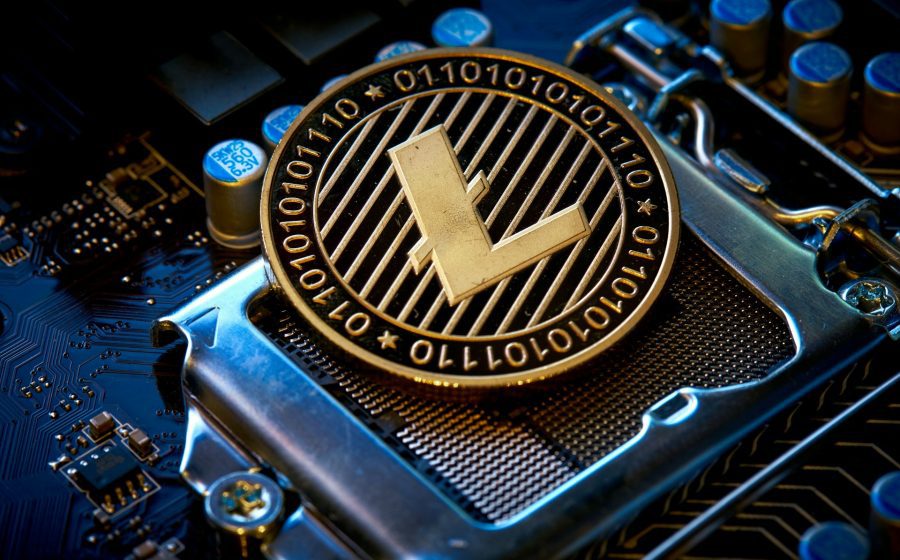
Litecoin is one of the oldest and most recognised cryptocurrencies after Bitcoin. Launched in 2011, it was designed to be a faster and more efficient way to send digital money. Often referred to as the “digital silver” to Bitcoin’s “digital gold,” Litecoin plays a special role in the broader crypto landscape.
Its appeal lies in its low transaction fees and quick settlement times, making it a practical option for everyday use. With growing support across wallets, payment processors, and trading platforms, Litecoin has become a familiar name in the market. It’s available on nearly every major UK crypto exchange, making it easily accessible to retail investors looking to diversify their holdings.
This article will explore Litecoin’s definition, how it works, and why it continues to be relevant in a rapidly evolving market.
What Is Litecoin?
Litecoin (LTC) is an open-source cryptocurrency created to improve upon Bitcoin’s limitations. It was launched in October 2011 by Charlie Lee, a former software engineer at Google. Lee envisioned a lighter version of Bitcoin that was faster, cheaper to use, and more suitable for everyday transactions.
Like Bitcoin, Litecoin operates on a decentralised, peer-to-peer network. It enables users to send and receive funds without banks or central authorities. However, Litecoin incorporates several technical changes designed to improve usability and performance, including quicker block generation and a different hashing algorithm.
Over the years, Litecoin has earned a reputation for reliability, security, and ease of use. It has been adopted by a variety of merchants and remains a key player in the digital currency market.
How Does Litecoin Work?
At its core, Litecoin is built on the same foundational technology as Bitcoin: blockchain and Proof-of-Work (PoW) consensus. This means transactions are verified and recorded on a public ledger that a decentralised network of computers, or miners, maintains.
However, Litecoin differs from Bitcoin in a few crucial ways. Most notably, it has a faster block time (2.5 minutes compared to Bitcoin’s 10), which allows for quicker transaction confirmation. It also has a maximum supply of 84 million coins, four times that of Bitcoin.
Another significant difference is the use of the Scrypt hashing algorithm instead of SHA-256. Scrypt is designed to be more memory-intensive, making it easier for regular users to mine using consumer-grade hardware, at least in Litecoin’s earlier years.
These technical adjustments help Litecoin remain efficient and scalable, with transaction speeds and costs that are better suited to frequent, lower-value payments.
What Is Litecoin Used For?
Litecoin was designed primarily as a digital currency for everyday transactions. Its faster processing times and lower fees compared to Bitcoin make it well-suited for small or frequent payments.
Many users choose Litecoin to send money internationally because transactions settle more quickly and at a lower cost.
Merchants and online retailers increasingly accept Litecoin as a payment option, helping to boost its practical use beyond speculation. Its compatibility with popular wallets and payment processors makes it a convenient choice for those wanting to spend cryptocurrency in real-world scenarios.
How To Buy and Store Litecoin in the UK
Litecoin is widely available on most UK crypto exchanges, with many offering trading pairs against GBP and other popular cryptocurrencies. When choosing where to buy Litecoin, it’s important to select a platform that complies with UK regulations and is registered with the Financial Conduct Authority (FCA).
What Are the Pros and Cons of Litecoin?
Litecoin offers several advantages that make it appealing to users. One major benefit is its faster transaction speed, with blocks generated every 2.5 minutes compared to Bitcoin’s 10-minute interval. This allows for quicker confirmation times and makes Litecoin more practical for everyday payments.
Also, transaction fees are generally lower, which is helpful for smaller transfers or frequent transactions. Litecoin also benefits from a strong and active development community, continuously improving its network.
On the downside, Litecoin is not as widely accepted as Bitcoin, which limits its use as a payment method in some regions and markets. It faces stiff competition from newer cryptocurrencies that offer advanced features like enhanced privacy or smart contract capabilities, areas where Litecoin has limited functionality.
Plus, like all cryptocurrencies, Litecoin’s price can be volatile, which may reduce its appeal for those seeking a stable medium of exchange or store of value.
Litecoin’s Role in Today’s Crypto World
Litecoin continues to hold its place as a reliable and efficient digital currency. Its faster transaction times and lower fees make it a practical choice for everyday payments, especially within the UK’s growing crypto market.
While it faces competition and isn’t as widely adopted as Bitcoin, Litecoin’s steady development and strong community support suggest it will remain relevant for years to come. For those looking to explore cryptocurrency beyond Bitcoin, Litecoin offers a proven, accessible option worth considering.