All-out bidding wars have become the norm on the UK property market, as buyers scramble to beat their rivals to the punch. Consequently, those with the buying power needed to make split-second decisions currently have a major advantage over their counterparts.
By contrast, those relying on conventional mortgage products face the growing prospect of collapsed property chains. With average processing times hovering at around 12 weeks, a mortgage simply isn’t an option where time-critical purchases are concerned.
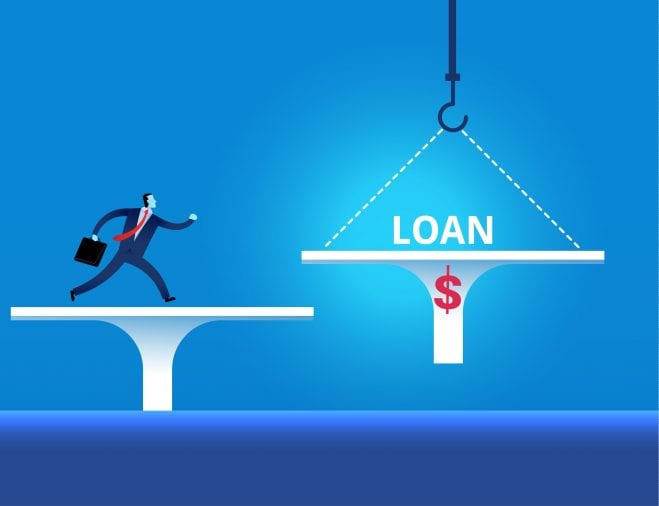
Ideal for bridging the gap between buying and selling, bridging finance has exploded in popularity over the past year. Bridging loans provide property buyers with the spending power needed to buy their next home outright, along with the breathing room needed to take their time selling their current home.
Payable at a monthly rate of interest of around 0.5%, bridging finance can be hugely affordable when repaid promptly.
Even so, it is important to build a detailed understanding of how bridging finance works, before submitting an application. In particular, knowledge of the various costs that may apply when taking out a bridging loan is essential.
Knowledge is power, so it simply makes sense to familiarise yourself with the basics ahead of time.
With this in mind, what follows is a brief bridging finance checklist for new borrowers, covering the basics every applicant needs to know:
- Interest on a bridging loan is calculated daily and charged on a monthly basis. This therefore means that the longer the term of the bridging loan, the more you stand to pay in borrowing costs.
- Early repayment of a bridging loan holds the key to a cost-effective transaction. However, some lenders impose early repayment fees, making it important to check the lender’s policies in full before signing the agreement.
- Be mindful of the possibility that your home could sell for less than you expected, which could subsequently see you with insufficient funds to repay your bridging loan. Avoid the temptation to push things too far, in terms of how much you can afford to borrow.
- Likewise, current market conditions should be taken into account to ensure your home is sold within the agreed period of time. Some lenders are willing to extend the terms of their bridging loans by several weeks or months, but this will almost always result in penalties and higher interest rates.
- Remember that you will only be able to borrow against the equity you have in your current home, if you are still repaying your original mortgage.
- Try not to be blindsided by what appears to be an exceptionally low rate of interest, as there are various other costs to take into account. Arrangement fees, transaction fees, legal fees, completion fees and so may apply – all of which could augment the benefits of a low monthly interest rate.
Most importantly, be sure to enlist independent broker support at the earliest possible stage. Doing so will not only streamline and simplify all aspects of your application, but will ensure you get the best possible deal from an approved lender you can count on.