When it comes to optimising productivity and creating a conducive work environment, the design and layout of an office play a pivotal role. One often underestimated but essential element of office design is the choice of office chairs. In particular, ergonomic office chairs can significantly impact both the comfort and efficiency of employees. In this article, we delve into the significance of office chairs, with a special focus on ergonomic options, to help you craft a workspace that promotes inspiration and functionality.
The Role of Office Chairs in Productivity
Office chairs are more than mere pieces of furniture; they directly affect the physical well-being and efficiency of employees. Poorly designed or uncomfortable chairs can lead to discomfort, lower concentration levels, and even long-term health issues. On the other hand, well-designed office chairs can enhance comfort, encourage proper posture, and consequently boost overall productivity.
Ergonomic Office Chairs: A Deeper Look
Ergonomic office chairs have gained prominence in recent years due to their holistic approach to comfort and support. Let’s explore the key features that make these chairs an essential component of a modern office.
- Optimal Lumbar Support
Ergonomic chairs are equipped with adjustable lumbar support, which ensures that the lower back’s natural curve is maintained. This feature reduces the strain on the lumbar region, preventing the development of chronic back problems that often arise from extended periods of sitting.
- Adjustable Features
Customisation is a cornerstone of ergonomic chairs. With adjustable features such as seat height, armrest height, and recline tension, employees can tailor the chair to their body’s unique requirements. This adaptability minimises discomfort and supports proper posture throughout the day.
- Enhanced Comfort
Ergonomic chairs often incorporate high-quality cushioning and breathable materials. This combination ensures that employees remain comfortable, even during long work sessions. By reducing discomfort, these chairs enable individuals to concentrate on tasks without unnecessary distractions.
- Promoting Movement
Static postures can lead to stiffness and discomfort. Many ergonomic chairs are designed to facilitate movement, featuring swivel bases and recline mechanisms. Encouraging employees to shift positions throughout the day reduces the risk of muscle strain and increases blood circulation.
- Longevity and Cost-Effectiveness
Investing in ergonomic chairs is an investment in the health and well-being of your employees. By reducing the likelihood of work-related injuries and health issues, these chairs contribute to a more sustainable and cost-effective work environment in the long run.
Integrating Ergonomic Chairs into Office Design
Incorporating ergonomic chairs effectively into your office design requires a thoughtful approach. Here are some tips to ensure a seamless integration:
- Flexibility in Workspace Arrangement
Design your office layout to allow for flexibility. Employees should be able to move around easily and choose different work settings. This movement not only prevents monotony but also allows individuals to find the most comfortable and productive positions.
- Collaborative Spaces
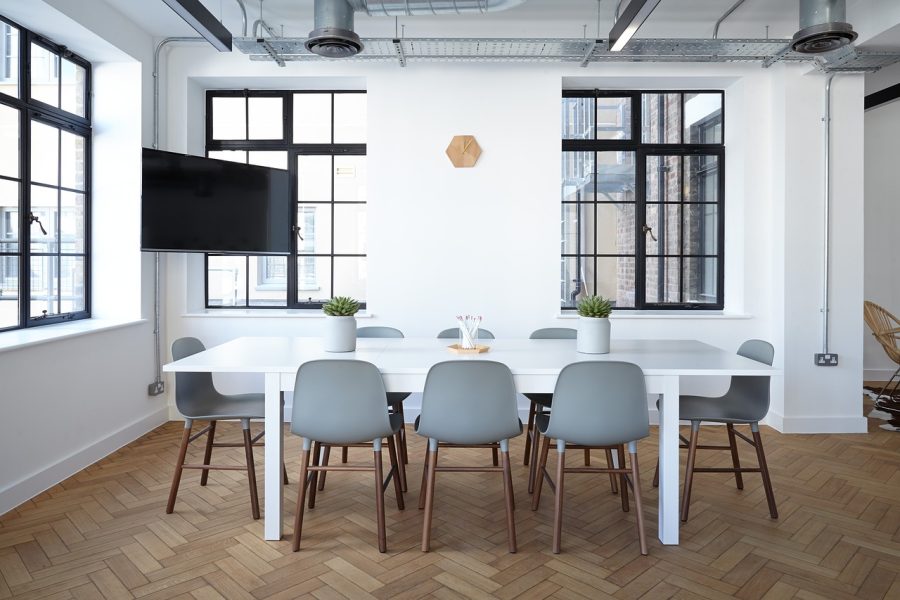
Create areas where employees can collaborate and brainstorm. Ergonomic chairs should extend beyond individual workstations to these collaborative spaces, fostering comfort and idea-sharing.
- Dedicated Break Areas
Designate specific areas for breaks and relaxation. Consider providing ergonomic chairs in these spaces as well, ensuring that employees can unwind comfortably.
- Prioritise Natural Light
Position workstations and ergonomic chairs to maximise exposure to natural light. Natural light not only boosts mood and energy levels but also complements the comfort provided by ergonomic chairs.
- Regular Maintenance
Even the best ergonomic chairs require regular maintenance. Ensure that adjustments are functional and that the chairs remain in good condition over time.
Conclusion
The impact of office design on employee well-being and productivity cannot be underestimated, and ergonomic chairs stand as a crucial element in this equation. By prioritising comfort, support, and adaptability, these chairs contribute to a workspace that inspires and enables employees to perform at their best. When integrated thoughtfully into your office design, ergonomic chairs can transform your workspace into a hub of creativity, collaboration, and efficiency. So, make the choice that not only supports your employees but also enhances the overall success of your business.