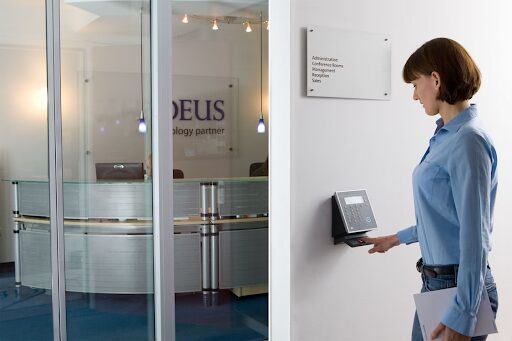
Securing your organization’s facilities, assets and data is a top priority. With the right access control solution in place, you can properly monitor and restrict access to authorized personnel only. However, with the many options available, choosing the ideal system can get overwhelming. Follow this guide when selecting an Access control solution to meet your organization’s unique needs.
Evaluate Your Facilities
Start by taking stock of your physical locations. How many entry/exit points need securing? Are there interior doors between sensitive areas that also need monitoring? Take inventory of existing locks, doors, and security measures. Consider special access needs like parking areas, server rooms, labs, etc. Having a thorough understanding of your facilities ensures the system can properly scale.
Determine Your Security Strategy
Next, define your overall access control goals. Do you want to fully restrict access to some areas? Allow access on a scheduled or temporary basis for others? Will you incorporate identity verification like biometrics or touchless cards? Establishing these strategies informs must-have system capabilities and components. If new construction is involved, you can better optimize door placement, wiring, and hardware.
Assess Your Tech Environment
Examining your existing IT infrastructure helps you select the most compatible system. For example, hosting the access control software onsite vs in the cloud may work better with your specific setup. Similarly, choosing a system that integrates with an existing security camera network, intercom, or alarm system avoids duplicating efforts. Factor in IT resources required for implementation and management.
Account For Scalability
As organizations grow and change, access needs follow suit. Scalable systems with Biometric system allow you to easily add doors, control points, users, locations down the road. Prioritizing an open platform allows incorporating new technology improvements as they emerge. Scalability provides long-term adaptability, avoids the need for costly new systems.
Compare Capabilities
Requirements like real-time monitoring, user-configurable roles, mobile access, lockdown protocols, etc. should dictate your feature checklist. Ensure the system delivers the functionality your facilities and users demand. Ease of use is also key—the system should streamline access management, not complicate it. Keeping capabilities aligned with needs makes the solution more impactful.
Review Costs
Balance capabilities with budget when reviewing options. Consider upfront costs like software, hardware, setup and training as well as ongoing costs like licenses, support fees and upgrades. More economical systems often carry trade-offs. Focus spending on must-have functionality while scaling back less essential capabilities if needed. Anticipating longer-term costs ensures ROI.
Involve Key Stakeholders
Input from facility managers, IT personnel, office administrators and end users ensures the access system serves everyone’s needs. Frontline insights highlight specific doors or access points to prioritize. IT knows existing infrastructure capabilities. End users provide workstyle context. Cross-departmental alignment is key.
By carefully evaluating your facilities, goals, infrastructure, budget and input from stakeholders, you can develop the optimal access control solution for today and tomorrow. The right system becomes a seamless part of your security ecosystem while meeting the ever-evolving needs of your organization.