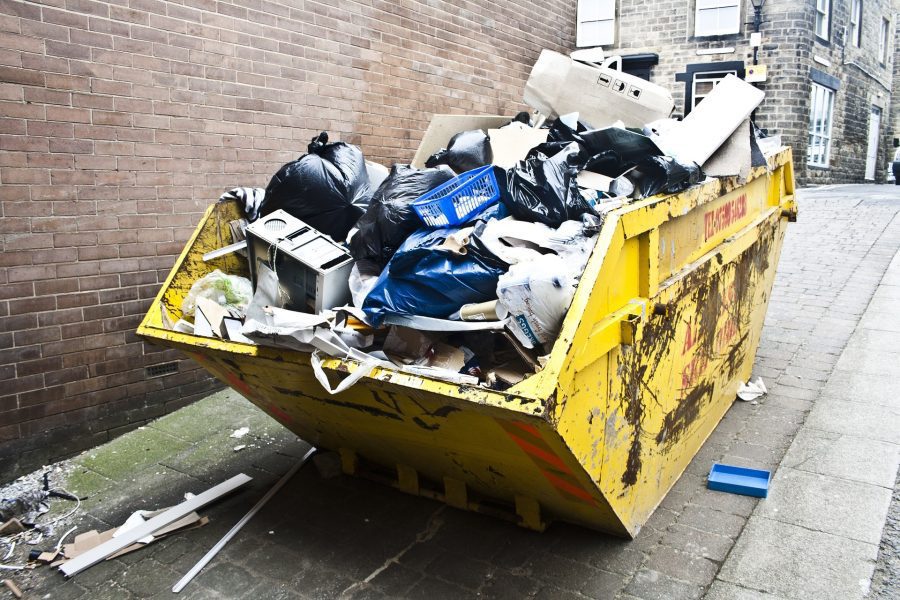
A skip is an incredibly easy way to get rid of waste. Whether you’re looking to carry out a home or garden clear-out, or if you are a business looking to make waste clearance a little easier, it is important that you understand what types of waste can and cannot be put in a skip.
There are a number of regulations when it comes to what can and cannot be disposed of in a skip, which will depend on the skip hire company you choose.
According to the team at Skip Hire Team, a nationwide skip hire service provider, one of the biggest issues they see is customers unknowingly adding restricted items. “We always advise checking the guidelines before loading up your skip — it saves time, money, and hassle,” they note.
What Can Go In A Skip?
Garden Waste
This can include grass trimmings, fence panels, shed components, flowers and other garden accessories including bird feeders and gazebos.
You can also put Earth in your skip, however, make sure that you are conscious of how much you are putting in your skip. Putting too much earth in a skip can make it too heavy to put onto a lorry once it is full.
Both treated and untreated wood can go in a skip also.
Building Waste
This includes bricks, wooden panelling, wallpaper and any other waste that may be produced as a bi-product of construction or demolition work.
Household Waste
Household waste includes food packaging and general waste. Essentially, anything generated by your household.
What Cannot Go In A Skip?
Electrical Equipment
You cannot put electrical equipment such as freezers, televisions and fridges in a skip. They must be disposed of in a recycling facility, in line with the UK Waste Electrical and Electronic Equipment Regulations. Any reputable waste management company should be able to provide you with all of the advice you need on how to properly dispose of electrical equipment.
Gas Cylinders
Whether or not they are empty or full, gas cylinders can be dangerous to both you and the environment. If you are looking to dispose of a gas cylinder, make sure to contact your supplier and check whether or not they are happy to collect cylinders.
Asbestos
Asbestos should never be disposed of in a skip. It is extremely harmful and hazardous, which is why the UK government implemented strict laws on the correct disposal of asbestos materials. If you have found asbestos and you’re looking for how to properly dispose of such waste without posing serious health threats to yourself and those around you, make sure to call an expert.
Batteries
You should never dispose of batteries in a skip. They contain damaging chemicals and metals that can cause huge amounts of harm to both people and the environment. No matter how small they are, they need to be separated and disposed of on their own.
Solvents, Fuel, Liquids and Paint
Solvents, fuel, liquids and paint should never go in a skip. They complain harmful materials and a specialist company should dispose of them.
Medical Waste
You cannot dispose of medical waste in a skip either. Doing so can put others at risk of serious infections and create contamination hazards. Anything from biological waste, medicine or hospital waste should be handled with care and disposed of properly in line with the department of heath’s guidelines.
Plasterboard
The government prohibits the disposal of plasterboard in a skip. You should always avoid putting any plasterboard in a hired skip and it must not be mixed with any other types of waste. Some skip companies may be licenced to dispose of plasterboard with the correct specialist tools for the job.
Mattresses
Mattresses should never be disposed of with general waste, nor should they be put in a skip. This is because the materials inside a mattress can contribute to the ever growing landfill problem. Consult your skip hire company of choice to check if they accept skips or instead, look to donate, pay a specialist company to remove it or call your local tip to see if they offer a mattress disposal service.
Glass
Finally, glass cannot be put in a skip. This is because it is classed as a harmful and hazardous item, and this risk factor increases if the glass is broken.
Your best bet is to contact a glass recycling company, who will be able to ground the glass down and crush it, to allow it to be disposed of properly.
Choosing Your Skip Hire Company
The best rule of thumb, if you are confused as to what can and cannot go in a skip, is to contact your skip hire company. Any reputable company, such as REMONDIS, a leading provider of skip hire in Gateshead, will be able to provide you with all of the advice you need and make sure that you are disposing of your waste properly.