As technology continues to advance rapidly, it is reshaping various industries across the globe. Whilst the industrial revolution brought the rise of static machinery, the 21st century has been all about mobile robotics.
When looking and the applications of service robotics, the likes of Robotnik’s powerful and bespoke industrial applications can often mislead people into believing that there are no applications for it within hospitality. However, collaborative robotics and the like are designed in such a customisable way that even a mid-sized local restaurant could benefit greatly from them. In fact, industrial mobile robots can easily transition to non-customer-facing roles, whilst hospitality-specific solutions can be found for customer service.
With that in mind, here are five innovative applications of mobile robotics that could cut labour costs, increase safety, and make a restaurant more efficient and attentive to customers.
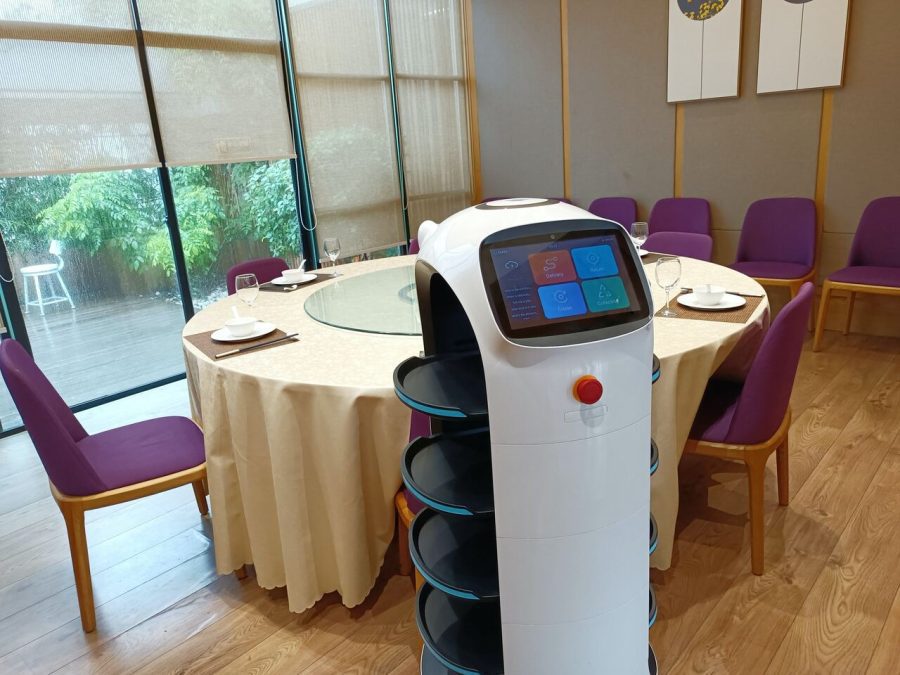
Robotic Waitstaff
Robotic waiters have been making waves in the restaurant industry, offering a seamless and efficient dining experience to customers. These autonomous robots are designed to take orders, serve food, and even collect payments.
Some unique benefits of using mobile robots as waitstaff are that their memory is perfect, they can understand multiple languages (providing better customer service), and, of course, they do not take a wage.
The use of robotic waitstaff can significantly reduce labour costs and human errors, ensuring accurate orders and timely service. They won’t provide the same social connection that real waitstaff do, but on the other hand they may offer a cheaper night out for customers in return since you will not be tipping robots nor charged for any type of service.
Robotic Chefs
The introduction of robotic chefs has allowed restaurants to automate complex cooking processes and maintain consistency in food quality. Such highly advanced robots can be programmed to prepare a wide variety of dishes with precision, following recipes to the letter across all chains. They can also be programmed to cook at specific temperatures and durations by having in-built thermometers and clocks, ensuring that each dish is cooked to perfection.
By employing robotic chefs, restaurant owners can reduce their dependence on skilled human chefs, cut down on labour costs, and even minimise the risk of food contamination due to human error. Of course, a head chef is usually still required, but they can get more done when collaborating with robots.
Robotic Bartenders
The application of mobile robotics is not limited to the kitchen and dining areas; it has also found its way behind the bar. Robotic bartenders can mix and serve drinks with accuracy and flair, taking orders from customers, and even engaging in conversation. These robots can be programmed with a vast library of cocktail recipes, ensuring that your customers always receive their favourite drinks.
This can be done with mobile manipulators (long robotic arms that grab items and replicate our movements). However, this can be costly and tricky to implement. Another way to automate the bartender process is to allow customers to pour their own drinks behind paywall machines similar to vending machines.
Autonomous Cleaning Robots
Maintaining a clean and hygienic environment is crucial in the food industry. Autonomous cleaning robots can help keep your restaurant in pristine condition, performing tasks like sweeping, mopping, and sanitising surfaces.
This is much more than self-driving vacuum cleaners. In fact, cleaning robots used in industrial uses, in which there are more options, can easily be used in a restaurant. They can be programmed to clean during non-business hours or in less frequented areas of the restaurant, ensuring minimal disruption.
A simple mobile robot can map out the floor plan and spray cleaning chemicals on the floor, followed by a mop. They can sweep and vacuum too, and alert managers to unique or dangerous situations like broken glass. Again, safety is important, so the limitations of robotics need to be realised. It’s not about one or the other – humans or robots – but working collaboratively.
Robotic Delivery Services
With the growing demand for food delivery services, restaurants have been turning to takeouts for a second income – particularly when lockdowns gave no option. Whilst restaurant owners wouldn’t find it economical to build in-house robots for delivery, many 3rd party solutions exist.
For example, the UK and US are currently seeing a rise in self-driving mobile robots that deliver groceries and food right to the customer’s doorstep. It’s the future and we are in the early stages.
Delivery apps that implement these innovative delivery systems may ask for less commission due to reduced costs per delivery, though the situation will depend on providers in your area.
As for the robots, they use GPS and advanced navigation systems to find the shortest and fastest routes. Raining or not, the mobile robot makes its way to the customer’s door for the cost of the electricity it uses in its motors to get there.
Conclusion
The integration of mobile robotics in the restaurant industry often goes overlooked. This is in part because customer service is often at the forefront and robots aren’t the first thing that come to mind when implementing this. However, they can be. Customers are increasingly looking for lower prices, faster service, more convenience and are increasingly accepting of dealing with technology within hospitality.