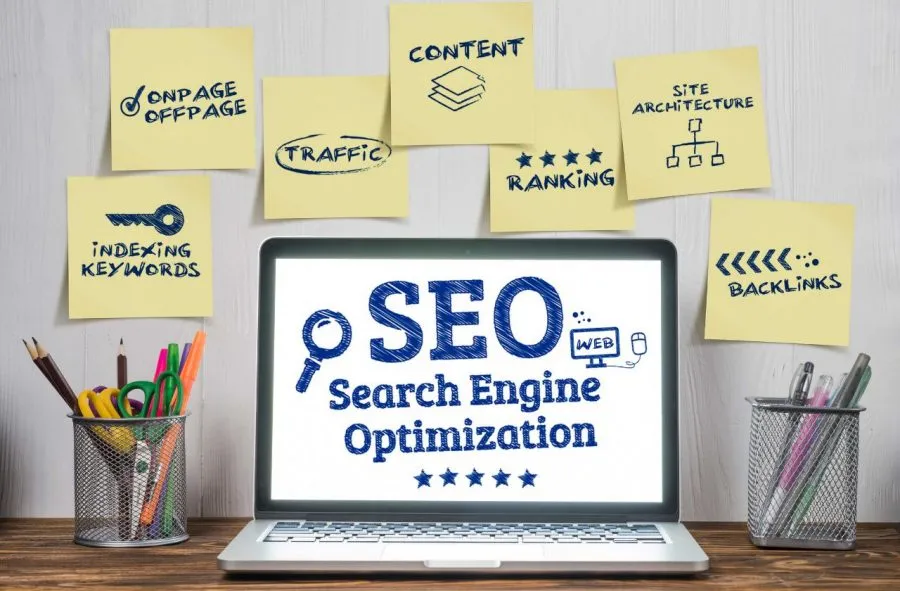
In today’s digital age, search engine optimisation (SEO) has become an essential marketing strategy for businesses of all sizes. However, small businesses often face the challenge of competing with big companies that have a larger budget and a stronger online presence.
Despite the challenges, there are various ways in which small businesses can improve their SEO efforts and ensure a more even playing field when competing with the “big boys” of business. In this article, we will explore some effective SEO strategies that small businesses can implement to stand out from the competition and attract more customers.
What Is SEO?
Search Engine Optimisation (SEO) is the practice of optimising a business website to boost its visibility and ranking on search engine results pages (SERPs). The overall purpose of SEO is to try and increase organic traffic to a website, and this is achieved by boosting the authority, relevance, and user experience of a specific site.
There are various factors that search engines like Google consider when ranking websites, including keywords, backlinks, content quality, user engagement, mobile-friendliness, and more.
Why Is SEO Important for Small Businesses?
SEO is especially important for small businesses because it can help to create a more even playing field when going up against larger competitors. By improving their visibility on search engines, small businesses can attract more potential customers to their websites and compete with larger companies in their industry.
When implemented correctly, SEO can be a cost-effective way to drive targeted traffic to your website and generate more leads and conversions. With the right SEO strategy, small businesses can establish themselves as authorities in their niche, build brand awareness, and increase their online presence. This can ultimately lead to increased revenue and growth opportunities, and help small businesses thrive in a competitive marketplace.
How Can Small Businesses Do SEO Effectively?
Having a smaller business does not mean that you can’t enjoy the benefits of SEO; the secret comes with knowing what to do, and the best practices for small businesses – and we have the must-try checklist below.
Identify Your Target Audience
A critical step in any SEO strategy is identifying your target audience and their audience demographics. Understanding your ideal customer’s demographics, interests, and pain points will help you create content that resonates with them and drives traffic to your website. You can use tools like Google Analytics or social media insights to gather data on your audience and create buyer personas to guide your content creation efforts.
Focus on Local SEO
Small businesses can leverage their local presence to improve their SEO efforts. Optimising for local search terms and creating a Google Business Profile listing can help you appear in local search results, which are more likely to lead to conversions. You should also ensure that your website has accurate and consistent NAP (Name, Address, Phone number) information across all online directories and platforms.
Create Quality Content
Creating quality content that is relevant to your target audience can help you attract more visitors to your website and improve your search engine rankings, so you should take time to ensure that your content is informative, engaging, and optimised with relevant keywords. You can also use different types of content like blogs, videos, infographics, and e-books to keep your audience engaged and build brand authority. Don’t forget to check out the UK SEO checklist for additional insights and tips to optimize your website’s performance.
Build High-Quality Backlinks
Building high-quality backlinks from reputable websites can boost your website’s authority and improve your search engine rankings. Try reaching out to industry influencers, guest post on relevant blogs, or participate in community forums to build a network of links that point back to your website.
Optimise for Mobile Devices
Mobile devices are a key part of our lives, and the majority of Internet users now use their tablets or smartphones to access the web. Businesses need to adapt to this to stay relevant, and this means optimising your website for mobile responsiveness. In short, this means ensuring that your website loads quickly on mobile devices, has a responsive design that adapts to different screen sizes, and is easy to navigate with touch-based gestures – all of which will boost the experience for your users, and increase traffic to your site.
Monitor Your SEO Performance
Regularly monitoring your SEO performance can help you identify areas that need improvement and adjust your strategy accordingly. Use tools like Google Analytics and Search Console to track your website’s traffic, keyword rankings, backlinks, and other metrics. You can then analyse the data to identify trends, opportunities, and challenges that can guide your SEO efforts.
Keep Your Knowledge Up To Date
SEO is an ever-evolving field, and it’s crucial to stay up to date with the latest trends and best practices. This means keeping an eye on algorithm updates, industry news, and emerging technologies that can impact your SEO efforts. You can follow industry blogs, attend webinars and conferences, or hire a professional SEO agency to help you stay ahead of the curve.
Final Thoughts
SEO can seem overwhelming, especially for small businesses with limited resources, but the benefits far outweigh the challenges. With a solid SEO strategy in place, small businesses can attract more potential customers, increase their revenue, and achieve long-term success in their industry.
So, why not get in touch with a professional SEO agency, London to see how they could help you take your business to the next level with first-class SEO strategies?