Much has been made of the impact escalating inflation is having on our economy. 2022, particularly the latter end of the year, was a nightmare for many business owners, writes Ross Boyd of RB Chartered Accountants.
We all know what happened after the now infamous mini-budget at Westminster, with many of us still in shock at the actions and subsequent reactions the markets made. We are all still acclimatising to the impact.
Recently the Bank of England raised interest rates to 4%, as it continues to try to compensate inflation rates which spiked at 11.1% late last year, and has since ‘settled’ and 10.5%. The Bank of England’s stated ambition is inflation at 2% and that still seems a long way off.
With the Bank’s base rate now at the highest level since 2008 and we seem to be towards the peak, many feel there may still be another increase . Seemingly some members of the Monetary Policy Committee were advocating for a bigger hike in February – and will continue to do so for March. This is considered a necessary reaction to tame inflation, as it stubbornly stays double digit as the combined impact of the Covid pandemic, Russia’s war in Ukraine and Brexit continue to weigh on the economy.
As the economy teeters on the brink of recession many commentators predict that the Bank of England is gambling on another 0.25 percentage increase in March before Britain’s forecast economic slowdown forces the Bank to cut rates. The cuts are probably some time away.
This is the new normal for business. Dealing with challenging trading conditions is now part of what we do on a daily basis. Business owners must remain agile and plotting the right journey remains business critical. Getting the right advice is also essential.
There is opportunity too. I believe the current climate is triggering a period of huge change in the economy – if you take a high levelo view, and we look at the last ten years, inflation and its impact on interest rates has largely been negatable up until 2022.
Many businesses with debt and modest margins were able to tick over comfortably in this climate and agility wasn’t essential. All of the sudden the outlook has changed. Many businesses have tackled the challenges head on and diversified, minimising their overheads whilst fastidiously working to boost their margins. These businesses will move into more settled economic conditions with a significant advantage over others that haven’t been as proactive.
As we progress towards financial year end, there will also be many NI businesses who continue to face a high degree of uncertainty. Some of these businesses will stagnate – and this will force change. They will look at their management accounts and the cold reality of a higher cost base and reduced profitability will come to light. It will force many to consider their options.
Some will aim to sell. Hoping others acquire them, but they won’t be the only ones thinking that way and stressed assets will only attract distressed prices. Strategic planning business exits is key to maximising values obtained.
Some will wind up or restructure. Taking the decision that ‘new normal’ operating conditions are no longer worth further financial investment, never mind the time, energy and commitment required to keep the entity moving forward. Legacy debts need to be reviewed carefully as now may the time to leave them behind.
Insolvency too is an option for many, according to recent figures by the UK Insolvency Service, there has been a staggering 57% increase in the number of underlying corporate insolvencies this financial year. The last 12 months have seen a record high in Creditors Voluntary Liquidations, reaching their highest level in 62 years. For many businesses this will be the right decision for them. It’s tough – but the sooner the decision is made the better the outcome is for everyone involved.
It is important that businesses continue to plan strategically for the next 12 months, Inflation will plateau and then drop 2023, the hard yards are now – but the opportunity for those that can navigate this period are huge. We are seeing businesses do this really well and continuing to grow profitability. For these businesses the challenge is often getting enough good human resources.
I always say that the business sector in Northern Ireland is renowned for being resilient – a huge part of this of this is about being pragmatic and many owner-managed businesses in Northern Ireland are looking towards our politicians. What will happen in Westminster in 2024? What does economic policy look like under Kier Starmer? Can the protocol deadlock be broken here? What opportunities will arise out of this? A long term growth and tax plan would be welcome by businesses.
There are signs that recovery is potentially closer that we think. RBCA has never been busier – we’ve an expanding client base and have moved to new offices to accommodate our growth. Transactions are accelerating and businesses are changing hands – with new owners bringing new ideas on how to do business in today’s climate.
Successful businesses recruit more staff, and demand for resource pushes up wages. The labour market continues to be a candidates’ market and, if anything, one of the biggest challenges is securing the right calibre of resource for the right investment.
There are many things to get right – but the opportunity is there in changing times. Technology gains and environmental considerations seem key to longer term success. And those that do get it right will benefit from an infrastructure that is geared to generate a return when market conditions settle.
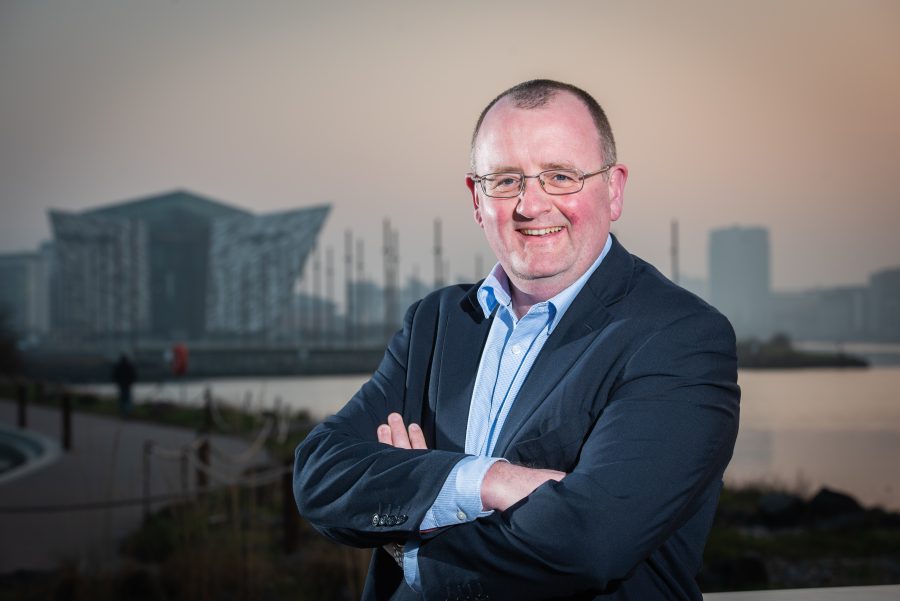
Ross Boyd is a business advisor and fellow of Chartered Accountants Ireland. He founded RB Chartered Accountants in 2010 offering a new and positive range of Chartered Accountancy, Audit and Business Advice services to businesses across Northern Ireland, with a clear vision of how to grow owner managed businesses and provide strategic independent advice.