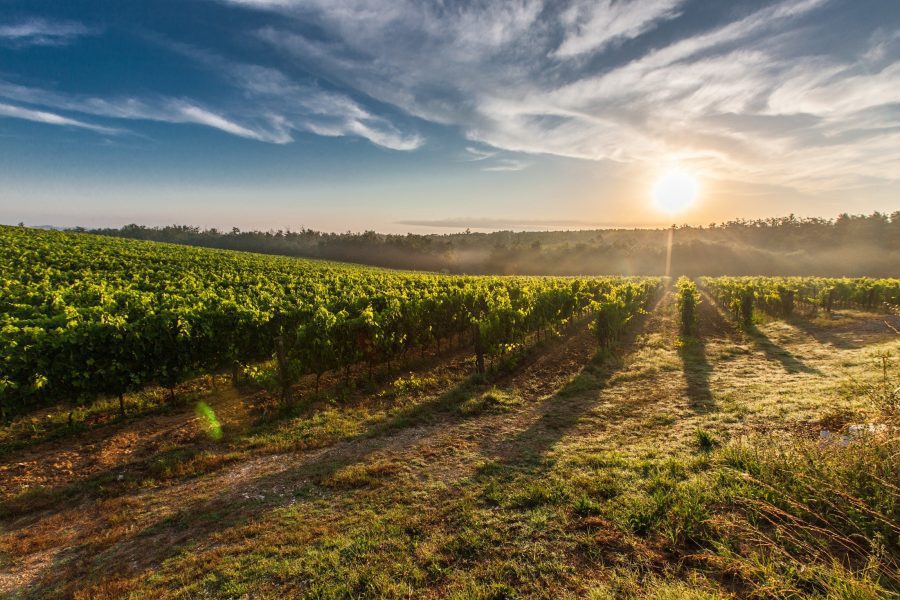
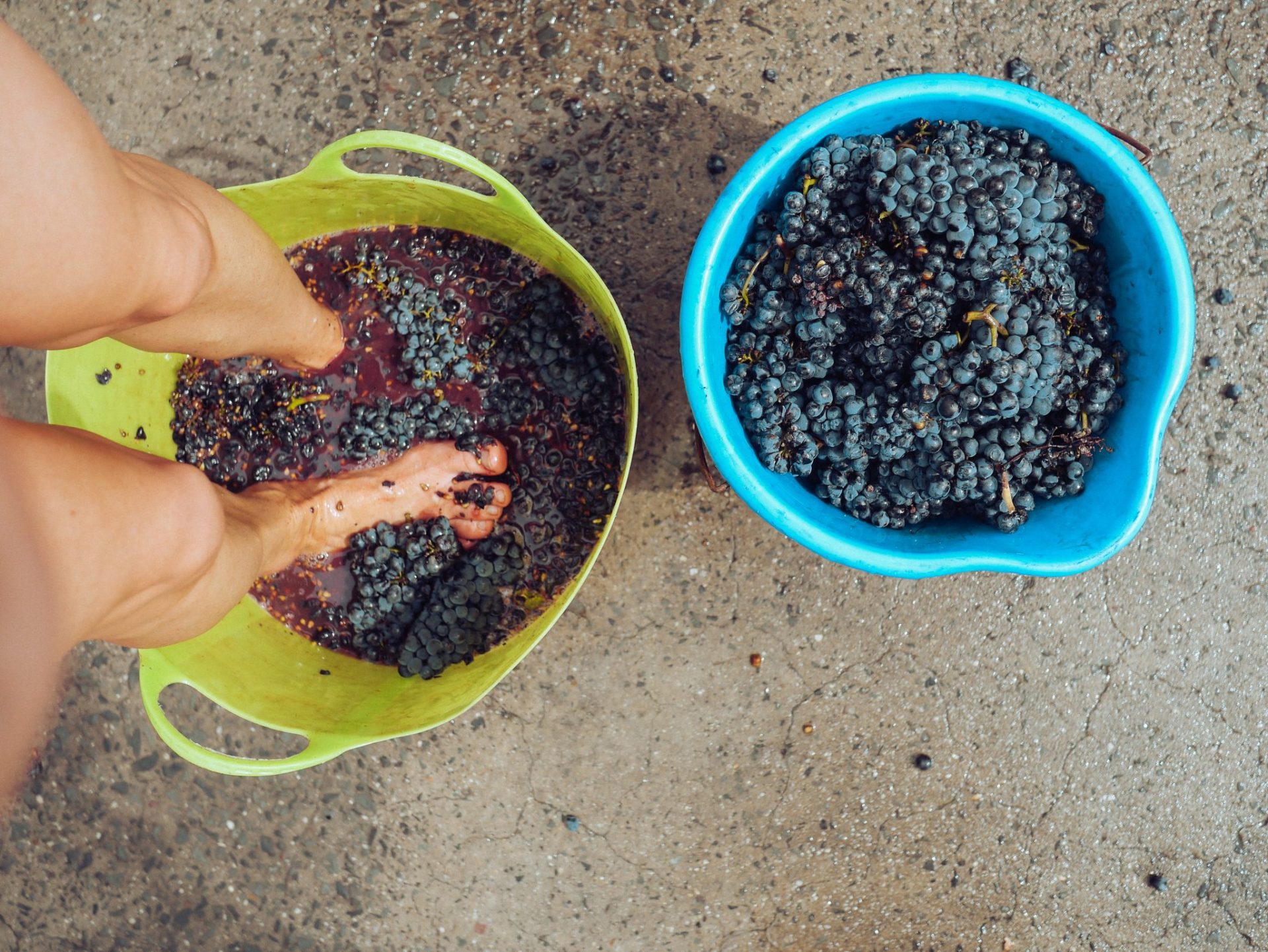
Whole bunch fermentation goes back to Roman times when the Roman winemakers used vats to ferment wine using whole bunches. The Burgundy Region of France embraced the fermentation style and has continued to utilize it to add body and balance to the wine. Winemakers of Burgundy use the technique to add an iconic signature to their wines.
Whole bunch fermentation is used extensively for Pinot Noir and to a lesser degree for Syrah.
So why would winemakers take whole bunches of grapes and place them in the fermentation tanks instead of separating the grapes from the stems? Here we will go through the advantages of Whole Bunch Fermentation and the risks involved.
Tradition
Before the introduction of mechanical destemmers, removing the grapes from the bunch by hand would have been immensely time-consuming, so whole bunch fermentation for red wines was the norm.
The stems comprise fifty to eighty percent water, and the dry matter contents are cellulose and hemicellulose, tannins lignum, and protein. The tannins found in stems are common to tea and chocolate and have many health benefits.
There has been a growing trend to introduce whole bunch fermentation. One of the reasons has been the influence of global warming on the stem structure. Green stems have tended to ripen because of the warmer conditions.
 Alcohol levels
Whole bunch fermentation can reduce the amount of alcohol produced because there is no sugar in the stems and consequently a lower conversion rate of sugar to alcohol. As smaller open fermenters are commonly used for whole bunch fermentation, there is an increase in alcohol evaporation.
The reduction in the alcohol content can be managed by using bunches picked late which enhances the stem ripeness and increases the alcohol levels.
As stems contain potassium which reacts with the tartaric acid, the overall acid content is reduced.
Whole bunch fermentation and Intracellular Fermentation
Is the process where the anaerobic fermentation takes place inside an intact or uncrushed grape. This affects the aromatic quality of the wine.
The tannins found in stems tend to be more subtle than those produced from contact with oak, making a wine of a more delicate and lighter texture.
Experimentation with Whole Bunch Fermentation
The process of adding whole bunches to the fermentation process opens up a myriad of permutations. The winemaker can add a percentage of whole bunches to the tank, and then he can also control the amount of time the stems stay in the tank. Some winemakers have created stainless steel baskets to house the stems and allow them to have perfect control over the influence of the stems on the wine.
Colour
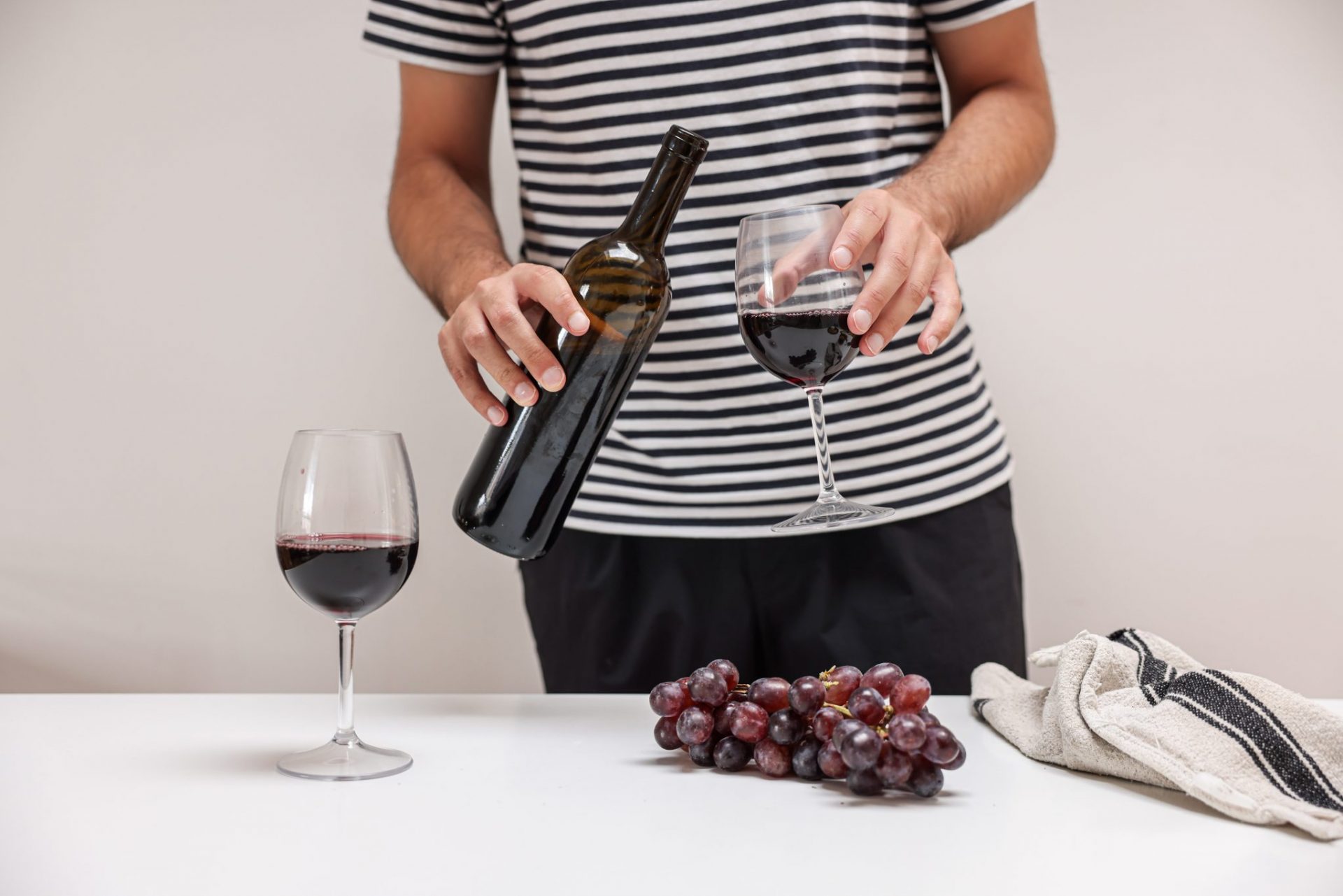 Wines produced from whole bunch fermentation tend to be lighter in color because the stems absorb some of the colors of the wine.
Using whole bunch fermentation techniques provides the winemaker with flexibility and the opportunity to as complexity, vibrancy, and elegance to the wine.
Let’s have a look at some of the best Pinot Noir Wines. Many of them utilize the whole bunch fermentation process.
Rippon Mature Vine Pinot Noir 2017
This New Zealand wine is inspired by a trip to Portugal by the Rolfe Mills. They have fifteen hectares of vines. Pinot Noir is the predominant variety and a lesser acreage of Riesling. The wines are produced organically.
The wine from the mature vines, some planted nearly fifty years ago, is powerful and elegant. Red fruits are balanced with spice notes and a lingering aftertaste.
The wine is a perfect companion to rich gamey dishes, roast duck, and rich casseroles.
Domaine de la Cote Bloom’s Field Pinot Noir 2019
This is an exceptional Californian contribution to the Pinot Noir Range. Only one-thousand cases of this wine are produced annually. It has been rated in the same league as the finest Pinot Noirs of Burgundy.
Six hugely impressive vineyards make up the Domaine de la Cote Estate situated in the Santa Rita Hills of California. The proximity to the Pacific, it’s only seven miles from the coast, and the southerly orientation of the slopes result in grapes being gently tended by cool breezes and fog.
The grapes are whole bunch fermented with every effort made to work in harmony with nature by following biodynamic agricultural practices. The owners, Raj Parr, and Sashi Moorman are firm believers in preserving the quality of the land and what they refer to as ‘ecological stewardship.’
The stems add savory and herblike nuances to the wine prior to it maturing for sixteen months in barrels. The berries and stems are fermented without any additives or temperature control.
The wine is a beautiful combination of rich red fruits with a gentle acidity that makes for an elegant balance along with a lengthy yet subtle aftertaste.
This Pinot Noir can be cellared for at least another ten years, and it would benefit from an hour or two of decanting before enjoying with rich meat dishes and game.
Meerlust Pinot Noir 2019
This South African Pinot Noir is grown only five kilometers from the cold Atlantic Ocean. The wine displays the positive influence of some whole bunch fermentation. Gentle hints of floral perfume on the nose and ripe cherries with reserved tannins on the palate. A lovely elegant old world style Pinot Noir.
Calera Central Coast Pinot Noir 2017
From California, this Pinot Noir follows in the footsteps of the great wines of Burgundy. It was established almost fifty years ago, this the thirty-one-hectare site benefits from the cooling effects of the nearby Pacific Ocean.
The smooth texture and fine tannins perfectly match the rich dark fruit and hints of dried herbs.
Conclusion
I must admit that I like the honesty of stems and berries combining to create a wine of balance and poise. To the winemaker, the stems add another bow to his quiver, producing wines of a more delicate tannin structure.
Whole bunch fermentation does offer the opportunity to make wines more elegant and improves the brightness of the fruit. In addition, it represents a move away from the big robust wines and allows the wines from the warmer climates to embrace a softer tannin structure.