As a retail business owner, protecting your inventory from theft, damage, and other risks is essential. You can take a few simple steps to help keep your business and inventory safe. Keep reading to learn more.
Security
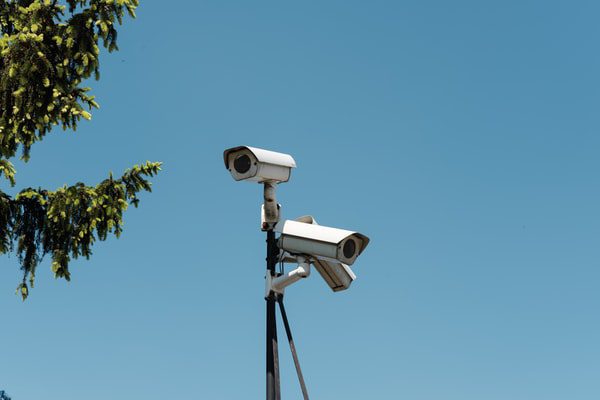
When operating a retail business, it is essential to take measures to protect your inventory and assets. There are a variety of security systems that can be implemented to protect a retail business and its inventory. One option is a security system that utilizes cameras and recording equipment. Additionally, companies can use tags and sensors on their high-value items. If your business requires new security equipment, Verkada can help.
Verkada is a cloud-based video surveillance platform that helps businesses protect their retail locations and inventory. The platform provides retailers with the ability to monitor their stores remotely, as well as record and store security footage. Verkada also offers features such as facial recognition and license plate recognition. Your company can also take advantage of Enhanced Retail Solutions. Enhanced Retail Solutions is a company that provides security and loss prevention solutions to retailers. The company offers various services, including security consulting, video surveillance, asset protection, and retail risk management.
Merchandise and Money
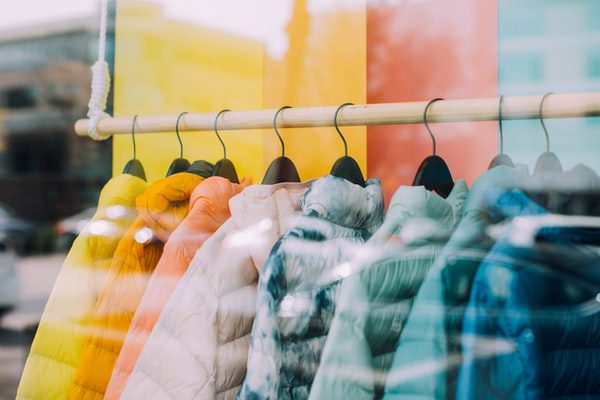 The merchandise in your store needs to be locked. Locks should be placed on cabinets, doors, and gates. This will help prevent theft and keep your inventory safe. Make sure you are keeping an eye on your stock and that you know what is going on in your store. Keep a few things in mind when locking up your merchandise. First, always use a quality lock that can’t easily be cut or broken. Second, be sure to use a lock appropriate for the item you’re securing. For example, use a cable lock to secure a bicycle, not a padlock. Third, always keep a key to the lock handy in case of an emergency.
You should also avoid displaying large amounts of cash in plain sight. Large sums of money can be an attractive target for thieves and robbers. You must keep the bulk of your money safely, such as in a locked drawer or cabinet. You can also deposit it in a bank account. If you don’t have a locked drawer or cabinet, you can also keep your cash in a safe deposit box at your bank. Just keep a copy of your key in a safe place in case you ever need to access your money in a hurry.
Another option is to invest in a high-yield savings account or a money market account. These accounts offer a higher yield than traditional savings accounts, and your money will be safe and accessible. You could also invest in stocks or mutual funds. These types of investments offer the potential for higher returns, but they are also riskier than bonds or CDs. Lastly, you should invest in a certificate of deposit (CD) and bond.
A CD is a type of savings account that offers a higher yield than a traditional savings account, but your money is not accessible until the CD matures. A bond is a type of investment that pays you periodic interest payments and the return of your principal when the bond matures.
Restrictions
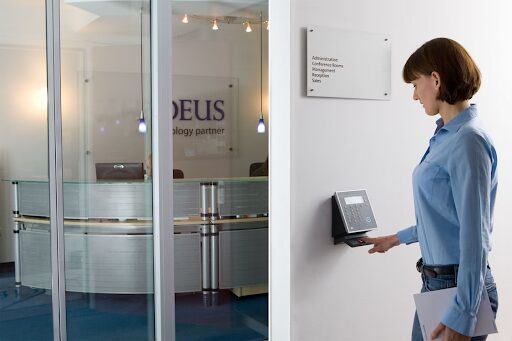
Restricting access to your retail store and its inventory is one of the most important steps you can take to protect your business. You can restrict access by using a security system, such as a password-protected entry, or by having employees monitor the entrances and exits. You can also limit access to authorized personnel only. This means that only people who are authorized to enter the store are allowed in, and unauthorized personnel is not allowed past the door.