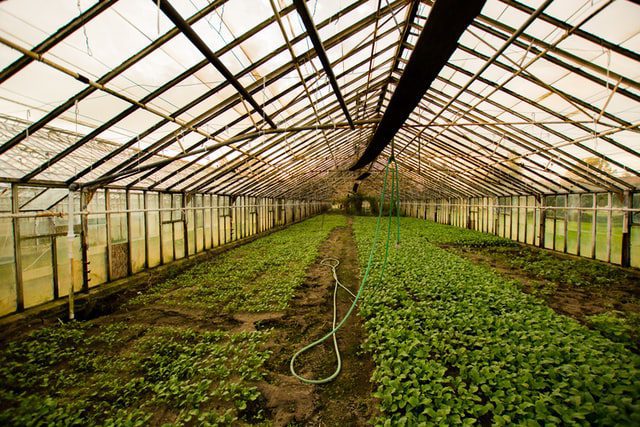
There are various standardized technologies that can be used to build horticulture as a more sustainable form of activity. Horticulture crops need comparatively more attention and monitoring than other arable crops so that pests and diseases are kept within a limited threshold and do not emerge heavily.
The establishment of horticulture technology integrated various management approaches to intensive innovational improvements for automating and optimizing farm operations, these activities were previously performed manually, but now with new innovations in the field such as greenhouse automation and other automation alternatives to traditional cropping, horticulture has become very efficient. Some of the growing changes in the approach are mentioned in the article.
Plant Monitoring and Automation
When you are managing pests and diseases in your crop field, hunting for the right crop is very efficient. In this manner, it facilitates timely decisions and preventive measures for the better production of crops. It saves money, and time, predicts the future, identifies new trends, and removes potential threats and future problems.
Plant monitoring equipment includes plastic bags for samples, magnifying glass, markers, cameras, etc., apps, and sticky traps nowadays to provide a clear picture of diseases and pests in the crop. A recent digital innovation in the domain of virtual crop scouting has been tested for providing a monitoring platform for offering biological solutions.
Alternatives to Conventional Growth in Soil
The need for technology has revolutionized the demand for natural resources such as land and water. Hydroponics reflect plants grown in a little amount of solid, especially solid gravel. Recyclable solutions bring out the perfect nutrient supply for the plants and diminish water consumption by 90 percent ultimately resulting in reduced pest problems. Leaf lettuce, strawberries, tomatoes, etc., grow in hydroponics.
Aeroponics utilizes a moist environment for the growth of plants and nutrients for the roots. They help plants to grow in difficult environments like a polluted atmosphere or underground. Urban farming and vertical farming when combined with innovative technologies bring the best in the crops to the consumers.
Drone for Pest Identification and Management
Unmanned aerial vehicles or UAVs and drones can be used to manage and identify pests, and diseases and assist in eliminating insects from the air accurately. Drones have sensors now and foster imaging credibilities, which provide a critical role in the identification of crop failure and keep them from damaging. The biological solution is the most needed technological experimentation in the production of crops.
Drones with scouting devices are also trending for remote locations of pests and identification of diseases, these specially crafted drones are extremely efficient and accurate for crop management.
Biocontrol or Symbiotic Organisms
Microorganisms can now help in promoting plant growth and the ongoing research focuses on how they can be applied from the inception of the cultivation cycle. This grows to increase the microbial composition of the atmosphere surrounding the roots of plants. These microbes activate the defense sidelining the plants and encouraging them to grow stronger. Near the root system, they also live in a space where they compete with pathogens for nutrients.
There are various microbial pesticides working on foliage pests to destroy the organism and use tissue as food. Biopesticides have been designed to support the plant for a better crop management system in the future.
Final Words
Technology has proved to become a pervasive element in the growing demands for horticulture due to the precision and adoption of new cropping methods with computerized environmental control and sensing. With these uplifting technological standards, new production techniques have also been introduced and have benefited the industry very well. Some of these new changes in the field of horticulture have been listed in the article.