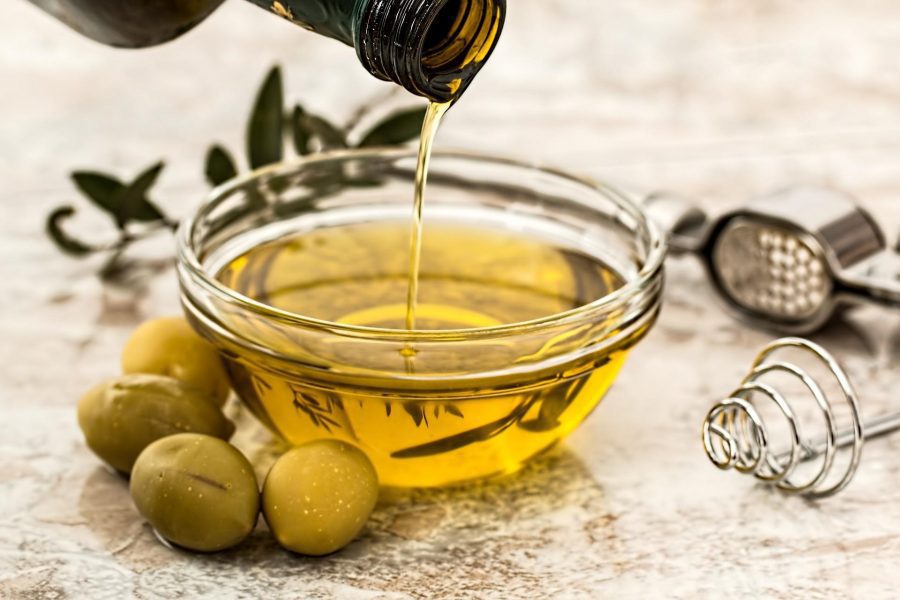
Extra virgin olive oil, known for its various qualities since ancient times, has traditionally been a product of the Empolese-Valdelsa region. The oil is produced on some of Italy’s most beautiful terrain, with protected geographical indications. The Consorzio which oversees the extra virgin olive oil from Tuscany, IGP guarantees a unique product thanks to the variety of olive trees and harvesting procedures that respect tradition.
Extra virgin olive oil is a phrase that has been heard and observed hundreds of times. At some point, everyone questioned what that meant. The answer is in the wording: the oil in question is not only virgin, which means it is more pure and natural, but it is also extra, exceptional. Even if they don’t understand what it means, a glance at a bottle’s label is enough to tell them that extra virgin olive oil is preferable to conventional olive oil. Extra virgin olive oil must be made from healthy olives that have been processed promptly after harvesting.
The label: must include all of the product’s traceability information, such as its manufacturing location, manufacturing process, and product characteristics. When it comes to flavour, if it stings, they know it’s wonderful. When oil stings in the mouth, it contains polyphenols and tocopherols, which are natural antioxidants that protect the product from oxygen, giving it health advantages and extending its shelf life.
The secrets of high-quality oil:
- Olives: they must be gathered in good health, firm, and at the proper stage of ripeness, which varies depending on the variety, exposure to the sun, altitude, and seasonal climatic trends.
- Harvesting must be done from the plant, never from the ground; the olives must be separated from the plant to avoid traumas that would trigger fermentation processes; they must also be arranged in such a way to avoid overlapping and pressure.
- The olives must arrive in the mill fresh, within a few hours of harvesting, in perforated containers that allow for ventilation and prevent excessive sun exposure.
- Preparation: The olives must be defoliated and thoroughly washed to remove dust, soil, and other foreign matter that could influence the oil’s flavour and scent.
- Cleaning the mill and processing rapidly and at low temperatures are critical, in addition to the technological aspects.
- Filtering: This is a contentious matter because unfiltered oil may have more scents and flavours, but it must be eaten quickly, whereas filtering is recommended for a longer-lasting oil.
- Conservation: it must be carried out in suitable containers, such as steel silos, which must be watertight, preferably under inert gas, washed and stored away from light and at a controlled temperature.