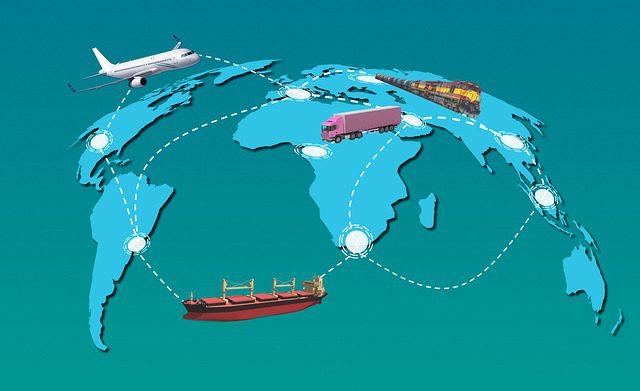
Supply chain financing is becoming more and more popular in today’s world. With the invention of supply chain financing, companies can finally get their hands on cash that they need to grow and expand without having to worry about paying it back right away. Supply chain finance is a type of lending that has become increasingly popular among businesses looking for cash infusions with minimal risk associated with them. Here are some reasons why supply chain finance should be your next option!
What is Supply Chain Finance
Supply chain finance is basically a way for companies to borrow funds, typically from vendors, to finance their operations. As an example if a company doesn’t have enough cash on hand to purchase raw materials and pay labor costs (for employees who don’t get paid with commissions) the vendor may lend the money at high interest rates usually costing more then bank financing (also known as trade credit). The company that’s in debt will offer up goods as collateral for the loan meaning if they default on the loan they lose their prized possessions.
How does it work
Supply chain finance is the latest management innovation in the global network of cross-border trade. Supply chain finance provides companies with lower capital requirements to purchase needed goods and services at a competitive price yet still maintain their sustainability goals by establishing relationships with suppliers that share social responsibility commitments. It replaces traditional, transactional banking channels by using alternative channels to sell products internationally on consignment, which reduces warehouse overheads for both buyer and seller. The “buy now pay later” structure of supply chain financing positions businesses with tight cash flow to be less reliant on external financing arrangements
Why use Supply Chain Finance
Supply chain finance is key to controlling the balance sheet of a multinational company. The global marketplace has grown so quickly that many companies are unable to find low cost, stable capital for their core businesses, because banks are either not interested or can’t justify the risk. With supply chain finance it’s possible to move your business capital from one country with high interest rates without incurring any penalties.
Advantages of using Supply Chain Finance
The main advantage is that SCF payments are very predictable. If you are a company with a bad credit history, payments under SCF can be guaranteed by arranging for the financing bank to pledge receivables as collateral. Should the business fail to pay its obligations, the lender can repossess goods or use any other legal process of ownership available to recover payments for outstanding debts.
As well as being more cash-flow friendly than traditional loans due to their quick turnaround time and shorter duration, SCFs have no origination fees, few if any prepayment penalties, may have rates that are determined at outset rather than just on repayment date – Which means they can compete with very low-interest term loans.
Disadvantages of using Supply Chain Finance
The disadvantages are that it uses resources from inventory, makes cash flows unpredictable, and can create non-current liabilities. The resources are taken away from the company’s physical inventory or out of other current assets to make money available now. The disadvantage to this is that this increases the risk of not being able to meet obligations if something goes wrong since financial statements will currently show less available capital than what there really is. Another issue with lending money on an inventory basis is that loans have strings attached which might not suit the company financially-speaking. For instance, sometimes there are restrictive interest rates or penalties for non-payment.
To conclude, supply chain finance is a way for companies to finance their inventory. It allows the company to buy goods with credit, but not pay until they sell those items. This type of financing gives businesses more flexibility in managing their cash flow and enables them to take on bigger risks because there are no payments made up front. With this strategy it’s important that you understand all the pros and cons before implementing supply chain financing into your business plan so that you can make an informed decision about how it will work best for your company!