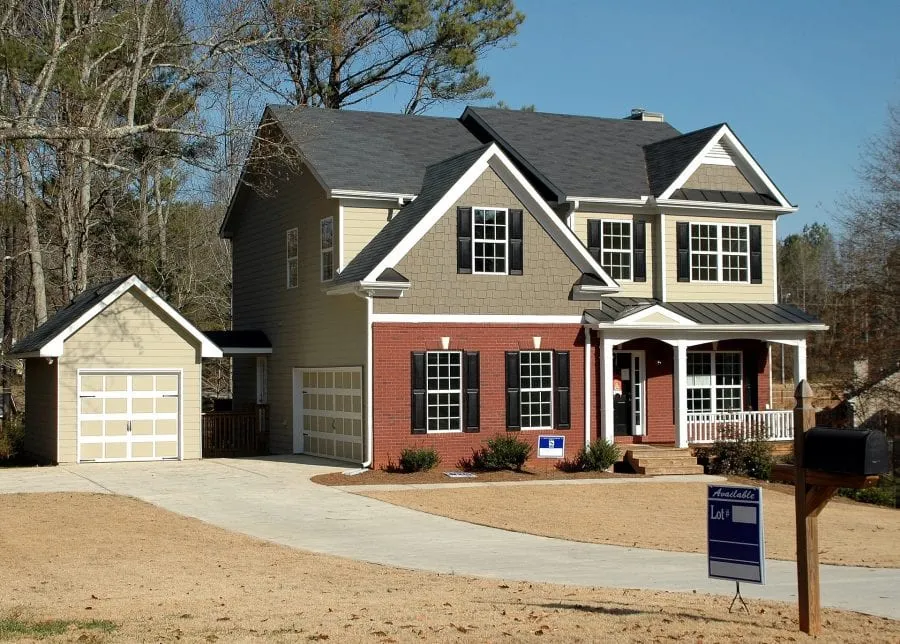
The proportion of young people owning their own home in the UK peaked in 1989 with 51 per cent of the age group 25 to 34-year-olds in homeownership. Recent research from the Resolution Foundation shows that this figure had plummeted to 25 per cent by 2016, writes Mark Graham, Chief Executive Co-Ownership.
There were small signs of recovery before the pandemic, with the figure rising to 28 per cent, but this isn’t a choice that young people make willingly. Surveys consistently show that vast majority of renters would prefer to own their own home. People’s aspirations haven’t changed, but the housing options available to them have.
The aspiration to own your own home is very rational. It’s cheaper than renting, how long you stay in your property, the colour you paint your home or whether you can keep a pet isn’t down the whim of a landlord. By the time you’ve retired you should be mortgage free and have created a pot of wealth to downsize or pass on to who you wish to. It’s not without its risks – if you buy a property at the height of the market that then crashes, as many people in Northern Ireland did around 2007, you can find yourself with large mortgage payments and a property that’s worth less than you owe the bank.
But for most people most of the time there is a lot of upside and very little downside.
Homeowners are different than they were a generation ago. They are on average older, have a higher salary and are more likely to come from a wealthier family. They tend to come from more affluent families because the only way many people can get a deposit for their mortgage is through the support from their parents.
When 25 to 34-year-olds, who expect they will never buy their own home, were asked for the reasons why, the top three responses were deposit costs, access to credit and mortgage costs. This resonates with the experience of our Co-Ownership customers. The difficulties of saving for a deposit are well understood and whilst low interest rates have kept monthly mortgage payments more affordable than they would be otherwise the often-hidden barrier to home ownership is access to credit. People who apply for the help of Co-Ownership often tell us that mortgage lenders have told them they cannot afford the mortgage, even though it is substantially less than the rent they are currently paying. This happens because following the 2014 Mortgage Market Review lenders needed to “stress test” a borrower’s ability to pay their mortgage. This can mean that lenders will assess the borrower’s ability to cope if interest rates were at seven per cent over the first five years of the mortgage.
People can often be unaware that lenders must now consider income, expenditure and existing debt before they will approve a mortgage. The ‘Hope to Buy’ briefing from the Resolution Foundation details that for most young people it’s both that their wages aren’t high enough and they do not have sufficient savings for a deposit. This obviously will vary in different regions of the UK, but it is certainly the experience of Co-Ownership that most of the people we help have an affordability and a deposit shortfall.
It seems unlikely that we will see a return to the levels of young home ownership we saw in 1989, anytime soon. First time buyer numbers will at best increase slowly, but this will depend on house prices rising moderately, interest rates staying low, income rising in real terms and lenders providing sufficient low deposit mortgages.
At Co-Ownership we have been helping people into home ownership for over 40 years. This model works and my hope is that we will continue to help as many people as possible achieve their home ownership goals for a further 40 years.