Are you looking for a way to cut your business’ expenses? Start from the dumpster.
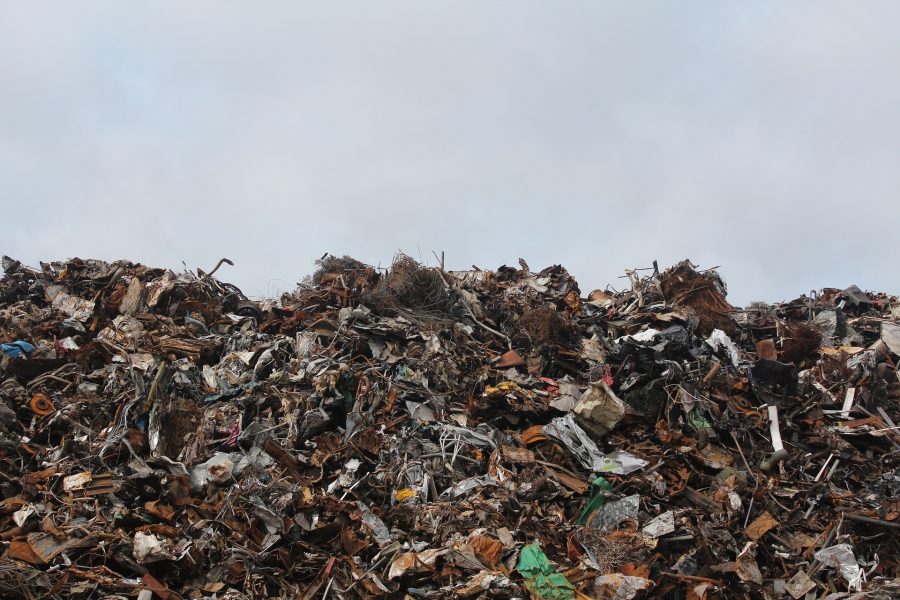
Reducing waste can help your business save money. Research showed the global waste management industry in 2020 – $560 billion were recorded. A decade ago, the waste market recorded $402 billion. That’s a considerable increase, and it has to do with the swelling volume of global waste production, which is evaluated to grow by 70% by 2050.
The world’s garbage economy expanded due to many factors, including:
- Population growth
- A consumption cultures
- Urbanisation
- The development of countries, which changed entirely the global supply chain
- The rise of nationalism in China (it used to purchase 1/6th of the recyclables collected in the USA)
So, waste minimisation in businesses should start right off. Stop your company from sending dollars to the dump.
What is waste reduction? It is the practice that reduces or eliminate waste produced at a source and environmentally sound recycling practices where basis reduction is not economically practical.
Here are some ways to minimise business waste and save money.
The Costs of Waste Management are Rising
Each business must deal with waste management. Companies that produce a lot of waste can experience costly and time-consuming challenges. Disposal means paying taxes, and with the ever-increasing fees and changing regulations, a reliable waste management strategy is crucial for your business to reduce the extra costs. There are some valuable ways to manage waste in your business, but why exactly you should do it?
Besides the reduction of costs for your business, you will also experience the following perks:
- Cutting time on waste management
- Improve workplace environment
- Reduce environmental impact
- Reduce space taken up by waste
Key figures regarding waste management in businesses:
- 4% to 10% of businesses’ annual income is spent on waste management.
- Waste management costs are expected to rise by 3.4% per year in the future.
- UK landfill tax increased to £91.35/ton in 2019.
Waste management can be an unavoidable cost for a business. If you don’t think of a strategy, most of your business’ income, depending on its size, will be consumed on paying for the garbage procedures, storing, disposing, and so on. It’s worth spending some time to create a plan. The costs associated with improving waste management in your business might take time to see an ROI. Besides, other benefits include freeing up the time your team members spend to dispose of the waste, minimising the space occupied by garbage, and improving workplace conditions.
How to Save Money on Waste Management?
Cost savings can be found through several diverse strategies. The hierarchy cuts the cost of waste management in a business substantially. Start by checking your waste. If you know where the waste is most produced in your business, you can work best on the ways to combat it.
Buy only the things you need in your business. If you’re disposing of products or materials that haven’t been used in a while, try to cut them from your purchases. Overbuying materials and products you don’t need is the first cause of waste products in your business.
Another way to limit waste is through eco-friendlier recyclable products. Also, avoid throwing away products that could be used several times. Unused products can be donated or sold to someone who may actually benefit from them. More and more materials are recyclable than ever before, so why send waste to expensive landfills when you can recycle and save money?
It’s also illegal to dispose of hazardous waste, like chemicals. Some types of waste require special attention and can’t be disposed of in general disposal. Minimising the space for waste means more functional space to grow your workplace. Balers and compactors from Miltek are the best way to run garbage into manageable sized bales, which helps make transportation more accessible and more affordable, too.
Sadly, waste represents a severe problem for the environment and the economy. So, if you’re the owner of a business that produces a lot of waste, make sure you focus on reducing the amount of waste your company makes. Most people think of reducing a business’ costs. But it isn’t all about that: reducing waste in your business will help show niche leadership and responsibility for your industry.
Think of it: what could be better than showing responsibility in reducing greenhouse gas emissions and the global danger to human health because of the waste stream? Of course, health is wealth, and you need to learn more about waste reduction for your business.
The Art of Reducing Waste and Improve Your Company’s Image
An important aspect to consider is to set specific waste reduction goals. They might be realised faster than you think. You could request suppliers to change to reusable packaging systems and eliminate the production of packaging waste. It might take months to input it, but at least you will ensure you are on track to turning your business greener. Short or long-term goals are an excellent way to make employees enthusiastic about eliminating waste.
It’s crucial to include your employees in reducing waste goal achievement. First, show what can be and what cannot be recycled.
Did you know that 70% of the waste generated at your business is recyclable? Data from the EPA shows that recycling and composting solid waste was 34.7% in 2015, increasing by 0,5% (35.2%) in 2017. This is why you should reduce, reuse, recycling in your business.
Exploring more will lead you to success in reducing waste at the workplace. New technology advancements have helped many businesses to manage waste in different ways. Back in the day, you were used to collecting paper waste, like magazines, newspapers, carton boxes, or other types of waste, like cans, bottles, batteries, bulbs, etc. Now, vast E-waste accumulated, like mobile phones, computers, routers, etc. It must be diverted from the rest of the waste.
Waste management in a business requires some effort, especially initially, but recycling will soon become a part of most companies across the world.