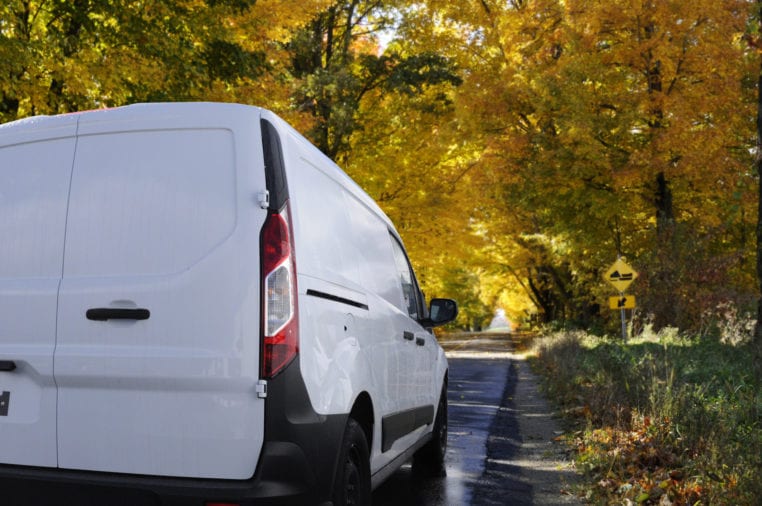
Nowadays we can get nearly anything we want delivered – from a freshly made sandwich, to something as practical as a new bike. As delivery becomes the norm, many business owners are exploring new ways to get goods to people – including hiring their own delivery drivers.
Delivery drivers are important to a business’ growth potential. Recent findings have shown that almost 80% of current delivery and takeout shoppers will continue to order at the same frequency as pandemic restrictions lessen.
But the hiring process for delivery drivers isn’t easy. In some cases, it can be more complicated than hiring front-of-house staff. Read on to find out what you should know when considering hiring drivers vs. working with third-party delivery services.
What is the legal classification for delivery drivers?
Businesses need to consider the legal classification for their delivery staff before even starting the process of hiring a delivery team. For example, in the U.S., driers are classified either as independent contractors or as employees – there’s a clear, legal distinction between these two.
When hiring delivery teams as employees, as a business owner, you have the right to specify their schedule and how their work is performed – down to the way they greet customers and the uniform they wear. Then there are several financial considerations that add up for businesses hiring employees, such as regular wages, tips, and eligibility to employee benefits like sick days and health insurance.
In the U.S, businesses are also required to hold back certain taxes from certain fees from employees’ wages and report this information to the IRS.
When hiring an independent contractor, business owners have the right to control only the result of the work and now what will be done or how it will be done. Therefore, independent contractors have more freedom in how they manage their work – for instance, they can decide whether to get around by car or by bike or what kind of uniform to wear during the work program. The advantage is that businesses don’t withhold taxes from independent contractors and aren’t required to offer benefits.
Before deciding which worker classification better suits your business needs, make sure you discuss with a tax and legal professional.
Choosing to contract with third-party courier services comes with a plethora of benefits. When working with courier services, businesses can tap into a fleet of professional drivers to fulfil local deliveries as orders accumulate.
This is a top choice for businesses with existing delivery drivers as they can opt for Flexible Fulfilment. That means they can rely on their own delivery teams for a set schedule or radius and partner with third-party services to fulfil orders outside those parameters. Believe it or not, this is a great way to grow demand and reach more customers.
Hiring a delivery driver
Whether you’re looking for a driver to move your goods around, long-haul delivery drivers, or food delivery divers, it’s important to consider your needs first.
What type of delivery driver do you need?
Learning how to hire employees is crucial to running a small business. According to Economyleasing.co.uk, if you need someone to take your goods around town, you need an employee you can rely on to keep your business vehicle safe and products secure – all while moving around and getting buyers the products, they expect in a timely manner.
However, depending on the business you run, your delivery driver’s needs may vary. For instance, different delivery drivers may operate for warehouses, moving services, routes, and gigs. For instance, if you run a grocery store, you may need to hire a warehouse driver. Running a restaurant? Then a gig driver would do it. No matter the type you need to hire, there are several requirements and skills that should not be missed from your hiring plan. These might include:
- A good driving record
- Unrestricted and valid driver’s licence
- Compliance with all traffic and road laws and regulations and assigned routes
- Capable of loading, unloading, and lifting goods up to 50 pounds safely
- Understand the payment process
- Ability to prepare reports relating to deliveries
- Attention to detail to review orders for accuracy
- Outstanding customer service skills
Develop a pipeline of applicants & interview
Job platforms like Craigslist and Indeed are great places to advertise your job ad, but you can also share on your socials as well as websites like PoachedJobs. You can also create a referral program to incentivize existing employees and contractors to refer qualified friends and families to the job.
Once you’ve developed a pipeline of applicants, it’s time to interview or test drivers that are interested in your job. Start with an email interview to confirm the applicant meets your job descriptions. If the applicant passes the initial screening, ask for a phone interview to determine if the candidate would be an excellent fit for your business needs. You can also use this time to discuss pay rate expectations, work schedules, and more.
Hire & train delivery drivers
Once you’ve found the right candidate, let them know you’re ready to send them relevant documents to sign, documents that will most likely vary depending on if they’re an independent contractor or an employee.
If you decide to background, check your applicants, collaborate with a legal professional to obtain the right disclosures and applicant permissions in place. Typically, these background checks can add up to $20 to $100 per hire – but the cost may well be worth the investment, particularly if you’re hiring drivers who are operating a company-owned vehicle and under your business insurance policy.
Finally, before sending your delivery guys out into the world, make sure you train them on all of your delivery logistics. Whether they are employees or independent contractors, ensuring that your driver is well prepared can contribute to a better overall customer experience, helping promote repeat sales.
Image Source: https://unsplash.com/photos/q8kR_ie6WnI