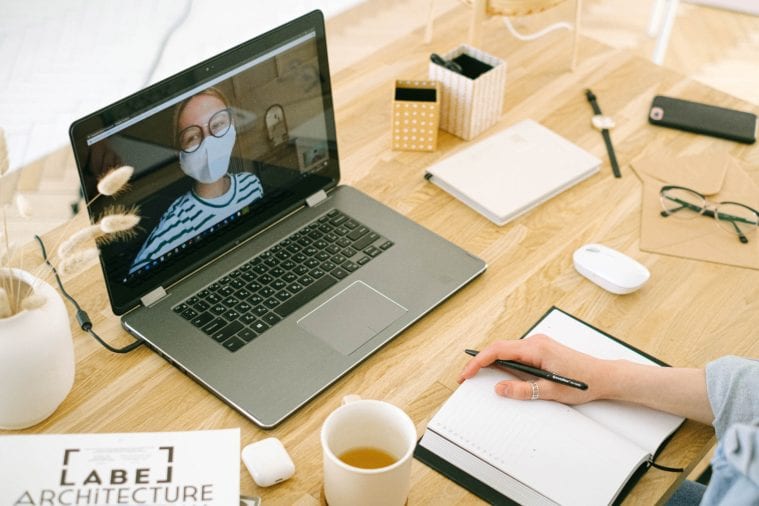
The ongoing COVID-19 crisis has had an immeasurable impact in just about every capacity, and due to social distancing, employment changes, and a lack of things to do, people are finding themselves spending more time at home than ever. However, you can use this time of quarantining to your advantage, and this article will share some of the best ways to be productive and make positive changes during a highly stressful time.
1. Cooking Skills
Learning how to be a better cook is one of the best skills you can work on, and there’s no better time than a pandemic to do so.
Whether you’re a complete beginner or you’re just looking to improve, there are many good reasons to focus on your culinary skills. A couple of the biggest perks are that you can save a lot of money and limit your contact with others by dining exclusively at home.
In addition to these benefits, cooking can be a great hobby as well and an effective way to relieve stress during the quarantine.
2. Budgeting Skills
The pandemic has caused a lot of financial strain for millions of individuals across the globe and this has caused them to tighten up on their spending habits.
However, learning how to be more frugal and keep track of how much you spend can be a very valuable skill to have for the rest of your life.
Once the coronavirus is under control and the quarantine and other restrictions end, you’ll find that you’ll have an easier prioritizing where your funds go and this can open up other opportunities for you.
3. Repair Skills
While sometimes it’s necessary to call in a professional to do a job, it’s always great to be able to fix your own stuff if you have the means to do so.
Learning how to make basic repairs around the house can save you a lot of headaches and possibly some money, depending on what you’re trying to fix.
You might not be able to fix electrical or plumbing problems, which are things that require a specialized skill set, but general fixes may be possible with the right know-how and elbow grease.
4. Relaxation Skills
Learning how to cope with life’s challenges isn’t something that all humans are inherently skilled at, especially in the midst of a pandemic that no one saw coming.
The ability to keep stress under control is a skill that requires work and sometimes, it can require the assistance of a professional to help guide you in the right direction.
Therapy, meditation, deep breathing are just a few examples of ways you can learn how to relax and by being consistent with them, they can help you overcome the negative feelings and emotions towards the current events and replace them with ones that are positive and benefit your life.
5. Technological Skills
Many businesses and their employees have converted to working from home due to the pandemic, and this can lead to different challenges that can require some degree of independence to resolve.
Although your tasks might not change, you’re in charge of your computer and your workspace, and there is a good chance you’ll run into situations that require troubleshooting skills. Learning basic computer and networking skills for your home is a no-brainer and can be a life-saver if something goes wrong.
Even if you’re not working at home, being more technologically-literate is something that can only enrich your life, and it may even open more doors for you in the future.
Conclusion
Hopefully, by reading this article, you have got some ideas on how you can stay productive during the pandemic. Quarantine isn’t an ideal circumstance to be in, but you can make the most of it by finding things that make your time worthwhile not only during this time, but in the future as well.
Author Bio
 Marie Miguel has been a writing and research expert for nearly a decade, covering a variety of health- related topics. Currently, she is contributing to the expansion and growth of a free online mental health resource with BetterHelp.com. With an interest and dedication to addressing stigmas associated with mental health, she continues to specifically target subjects related to anxiety and depression.