Also in this issue
- Majority in UK want to stay close to EU on trade
- How UK has left GM food on the table in upcoming US trade talks
- And two viewpoint pieces, one about how EU/UK divergence on standards and regs works for Scotland but not for NI
- And why the French don’t like the UK to the extent of maybe scuppering the talks.
- ….and, finally, Boney is back. “Sure, French can have his remains – if they give us back parts of France that UK used to own”
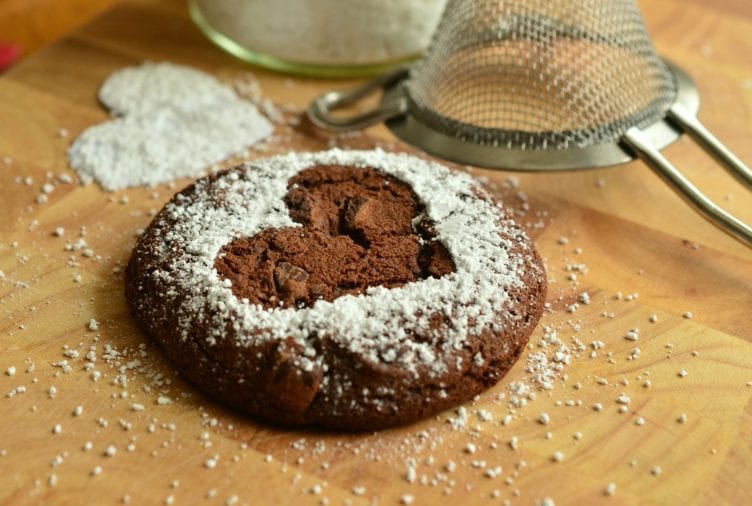
The ‘Great British Bake-off” on the ‘level playing field’
“We have all heard of having your cake and eating it, but this is the Great British Bake-Off”, said one EU diplomat on how the UK is treating the EU differently to the US when it comes to ‘level playing field’ guarantees on standards and regulations
As the EU/UK negotiations began , the EU reacted furiously after Britain demanded the US sign up to ‘level playing field’ guarantees in a future trade deal, despite refusing to agree to them in trade negotiations with Brussels.
“If the UK considers this relevant for the US for a relationship with a country 4,000 miles away and with a trade volume three times smaller than with the EU, why is it surprised the EU asks for similar guarantees from a trading partner 25 miles off the coast of Dover?” asked one EU diplomat.
Another EU source admitted Britain’s mandate for the US trade deal would be used to exert pressure on UK negotiators in Brussels. “Everything is noticed, nothing is missed,” they warned.
The British Government’s mandate for the US trade deal, which was published on Monday, demands similar guarantees from Washington that Britain rejected when Brussels asked for them.
British sources insisted that the two demands were not comparable. The UK’s demands from the US go no further than is usual in free trade agreements, while the EU’s demands require far closer alignment, they said.
Trade experts said that while the EU does not demand such enforceable guarantees as a matter of course, the US does.
“As we’re going to have to budge with the US, I can’t see it holding with the EU either,” said Sam Lowe, trade expert at the Centre for European Reform.
The mandate for the US trade deal included not putting the NHS on the negotiating table and apparent pledges to prevent US imports of chlorine-washed chicken and hormone-injected beef.
“While the UK has dug its heels firmly in on any issues to do with the NHS, it has left itself some wriggle room on food, in that it commits to maintaining high, stringent standards but not necessarily the ones that exist today,” said Mr Lowe. Daily Telegraph 2 Mar
Peugeot CEO says UK should provide compensation if Brexit tariffs hit
Peugeot could only export cars to Britain and invest in local plants if the British government helped to offset any potential tariffs imposed after the country’s exit from the European Union, Chief Executive Carlos Tavares said.
“We will be eager to invest in Ellesmere Port if there is a business case,” Tavares said on Tuesday, referring to Vauxhall’s British plant.
The onus would be on the British government to ensure that there is still a viable business case for exporting cars to Britain.
“We would have to ask the UK government to compensate for that. It is not ethical for continental European employees to pay for customs barriers to the UK market.”
A decision on whether to further invest in Ellesmere Port will be made only once the terms of business between Britain and the European Union have been negotiated, Tavares said. Reuters 3 March
Majority of Brits believe the EU is a more important trading partner than US poll says
The majority of Brits would rather have a close trading relationship with the EU than the US, according to a new poll.
A YouGov survey of nearly 3,700 Brits found that 51 per cent of the population believes keeping tight economic ties with the European Union is more important for the UK than a close trading relationship with the US.
Just 17 per cent believe the US is a more valuable trading partner. 10 per cent said neither and 22 per cent did not know.
Scotland is the region most in favour of protecting the UK’s relationship with the EU, with 66 per cent closely followed by London on 63 per cent.
Some 82 per cent of Liberal Democrat voters and 69 per cent of Labour supporters value the EU higher than the US as a trading partner, compared with just 36 per cent of Conservatives.
Chris Curtis, a research manager at YouGov, said: “As the UK starts trade negotiations on both sides of the Atlantic, our snap poll shows the public believe that the priority should be our closest trading partner geographically.”
Evening Standard 2 Mar
https://www.standard.co.uk/
US trade deal: Boris Johnson leaves GM food on the table
Boris Johnson left the door open to genetically modified food from the US as he launched formal trade talks with Washington.
The British government spelt out its objectives for the negotiation in a 184-page document including specific guarantees on the NHS and drug prices. “The NHS is not, and never will be, for sale to the private sector, whether overseas or domestic,” it stated.
The document promises to “ensure high standards” while “not compromising” on environmental, animal welfare and food standards in an attempt to address concerns about chlorine-washed chicken and hormone-fed beef.
However, senior officials refused to rule out whether genetically modified foodstuffs, widely used in the US but heavily restricted in the EU, would be on the table in any talks. The Times 3 March
This is the first of two pieces by pro-Brexit writers, staring with Brian Monteith, managing editor of brexit-watch.org, in The Scotsman
How Brexit has created a paradox over Scotland and Northern Ireland’s place in UK
For the majority of Scots, divergence [between the EU and UK over standards and tariffs] will be a good thing because it shall also make the likelihood of secession from the UK far less likely. The greater the UK diverges from the EU, the harder it will be for Scotland to avoid having border checks for goods travelling either way along the A1, the A68 and the M74 – or by rail, sea or air.
The more divergence that follows between the UK and EU, the harder it is for Scotland to enjoy any economic benefits or comparative advantage from being independent. Indeed, being inside the UK offers Scotland far more flexibility for trading with the US – which is Scotland’s second most important market, after the UK.
There is, however, a paradox, that Mr Johnson must seek to solve, for while divergence from the EU strengthens the Union between Scotland and the UK, it weakens it with Northern Ireland.
Thanks to the Irish Protocol in the Withdrawal Agreement, there will be some customs checks between Northern Ireland and the rest of the UK – and the more the UK diverges from the EU (and therefore Ireland), the more these checks will grow.
If Mr Johnson is to ensure Scotland remains in the UK, then divergence with the EU should help him, but if he wants to keep Northern Ireland in the British family the reverse is true. It is this paradox he has to find a solution to and it shall take some skill and guile.
The likelihood of the Irish protocol lasting for a significant period of time cannot be dismissed lightly and might could easily outlive the life of this government – and the next. The Scotsman 2 Mar
The second article is by Matthew Lynn in the Daily Telegraph
The talks are with the EU but our fight is with France
As Britain and the European Union formally open talks on a trade deal, France is taking by far the toughest line. We can expect to hear a defiant “Non!” several times over the next few months as French negotiators throw their toys out of their pram.
The EU has responded with high-handed demands that the UK remains permanently shackled to European rules and regulations. The French are pushing that most forcefully, with ministers from the president downwards making a trade deal dependent on more and more concessions from the British.
France has the most to lose from a deregulated UK and the least to gain from a trade deal. Which is why we should expect Paris to fight and fight to tie us to European standards.
And why we should be prepared, just as Gen de Gaulle did with our first application for EU membership in the Sixties, for the possibility it will veto a deal completely. Daily Telegraph 2 Mar
https://www.telegraph.co.uk/
And to end, back to the past with Anthony Peregrine, “destination expert” in the Daily Telegraph
It would be barmy to return the remains of Napoleon III to France
As certain French people have been saying for a while, he was our emperor. He should be in Paris. Historian, polemicist and one-time rock musician Dimitri Casali is prominent in the campaign.
Returning the remains would, he said, “be an elegant gesture of reconciliation between England and France… a second entente cordiale.” This rather suggests that Mr Casali hasn’t been paying attention to recent Brexit negotiations
Why disturb things? It seems, anyway, poignant that England should oversee the mortal Napoleonic remains, especially right now. Give or take colonial incidents, British and French have been on the same side pretty constantly since Nap III’s time.
Or we could indeed give the bodies back, but against the bits of France we use to own – Aquitaine, Normandy and so on. That might work. Daily Telegraph 3 Mar






