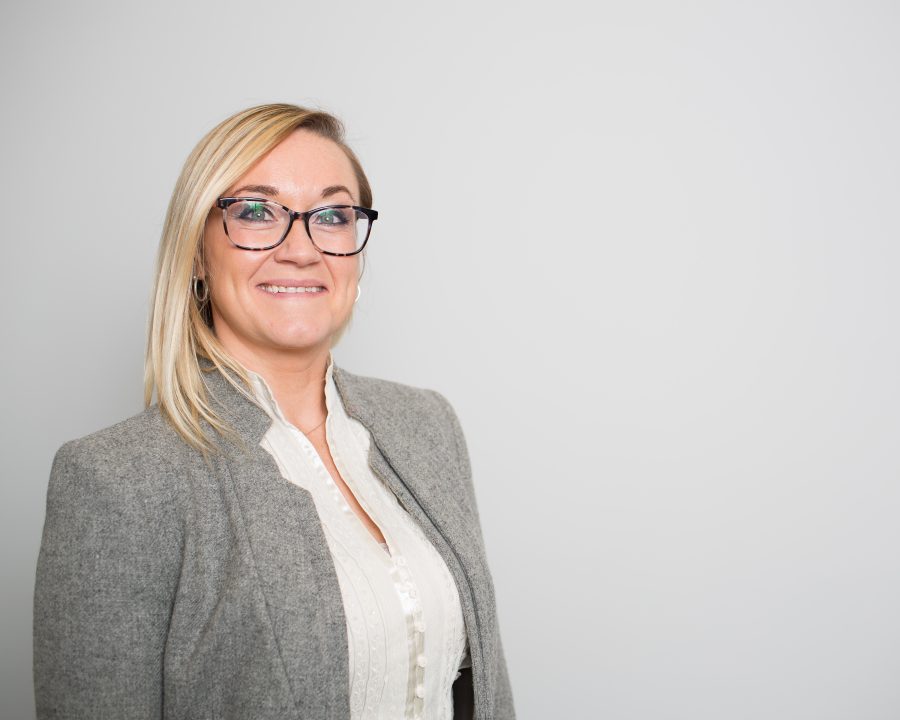
The Bank of England’s latest decision to cut interest rates to 4% is being hailed as a sign of stabilising economic conditions. But for many small businesses across Northern Ireland, this sense of recovery feels out of reach. While borrowing costs may now be easing, the day-to-day pressures that threaten business survival remain as intense as ever – and in many cases, they’ve deepened, says Sinead Campbell, Head of Money Debt and Quality at Advice NI.
According to recent data from Begbies Traynor, insolvency practitioners based in Belfast, nearly 50,000 UK firms are teetering on the edge of collapse. These businesses are under “immense strain” from tax increases, soaring overheads and weakened consumer demand. For many, the cost of borrowing is not the central issue – it’s about staying afloat week to week, and month to month.
Right now, most small businesses aren’t thinking about investment or growth. They’re focused on survival. They’re managing legacy debt, shrinking margins, and unpredictable trading conditions. Some are still grappling with deferred HMRC liabilities from the pandemic. Others are burdened with expensive loan terms agreed when interest rates were far higher.
At Advice NI, we continue to hear from business owners working longer hours for less reward, yet falling further behind. In 2024/25, our Business Debt Service supported 131 businesses dealing with a combined total of over £7.3 million in debt. These are not failed enterprises. These are viable businesses caught in the crosshairs of sustained economic turbulence.
Even with today’s interest rate cut, the underlying pressures persist. Payroll costs remain elevated following the National Insurance rise in April. Energy and supplier costs are still high, with inflation in core essentials squeezing already fragile margins. Late payments continue to plague many sectors, with businesses often waiting weeks or months to be paid. Consumer confidence also remains weak, particularly across retail, hospitality and personal services.
The danger now is that a falling interest rate masks the real risks – or worse, creates a false sense of relief. Temporary support measures introduced during peak volatility have been withdrawn, while new burdens like tax changes and utility price increases continue to take hold. For many, the pressure hasn’t lifted – it has simply shifted.
What businesses need is not just cheaper credit, but stronger cash flow, fairer tax timetables, and meaningful protections against late payment. They need space to rebuild, not just cling on.
This is also a moment for reflection and resilience. We urge any business facing financial stress to act early – not to wait until the situation becomes critical. That means reviewing budgets, communicating with lenders and creditors, and getting advice now, not later.
At Advice NI, our Business Debt Service provides free, confidential, and impartial advice to businesses across Northern Ireland. Whether you’re unsure about repayments, overwhelmed by cash flow issues, or simply want to know your options, our team is here to help.
The Bank of England may have cut rates again but for thousands of businesses, the pressure continues behind the scenes. Early intervention and practical support remain critical. With the right advice and a clear plan, businesses can navigate these challenges and begin to recover, not just survive.
For more information, visit www.adviceni.net or call our Freephone helpline on 0800 915 4604.