While the overheads are far less, doing business online in the UK certainly isn’t any less competitive than on the high street. If anything, with search results promoting larger businesses and lower prices, as well as every alternative option in the same sector being a few keystrokes away, it’s even more competitive!
To handle this, many have turned to a time-honoured tradition that supermarkets and new food brands or lines have enjoyed success with for decades. Now a key element to winning over British browsers quickly online, the free sample has made quite the comeback.
Naturally, what springs to mind is a little stall with a few physical free samples of food to try, like the vegan demonstration played into with its dog meat stall, or a demonstration of a new product. The idea to give a hands-on look, but online, you can’t trade in instant physical samples. So, how does it work in the digital space?
Reciprocity still applies online
Source: Pexels
An element of human behaviour that’s long been key to the survival of our species and the rise of societies has been our innate desire to reciprocate. The principles of reciprocity dictate that when we receive something of value, we feel compelled to reciprocate at some point.
Further, reciprocity is one of the six pillars of persuasion. Pairing it with scarcity, authority, consistency, likability, and popularity or consensus make for a mightily persuasive pitch. In the world of business, this can take the form of discount and free sample marketing from an authority and popular brand.
Naturally, free samples are the most well-known form of this. If a business gets a new customer sign up on their website, they may offer a free sample of their best-sellers or add free samples to their first purchase. This way, the business is marketing more products while also appealing to the customer with free stuff.
A more applicable approach, and a seemingly safer approach, for most is to go with discount codes or bonuses. This means that purchases are made, but at a discount that still returns extra value to the customer. Still, many fall a bit flat by having these as first-time offers only.
The promotions that really gain traction are those that hit on the consistency angle of persuasion as well. This is what you can find at the pay by mobile casino. Not only are payments convenient by just using your phone bill, but the welcome bonus is followed by the Daily Delights range of promos every day. So, it’s not just one-and-done.
Online shoppers seek the promos
Source: Pixabay
Knowing that many websites have that little discount code box or will offer free samples from time to time, using search engines to find these has become a part of UK consumer behaviour. Figures from 2020 point to some 70 per cent of customers in the UK using a discount code in the last 12 months.
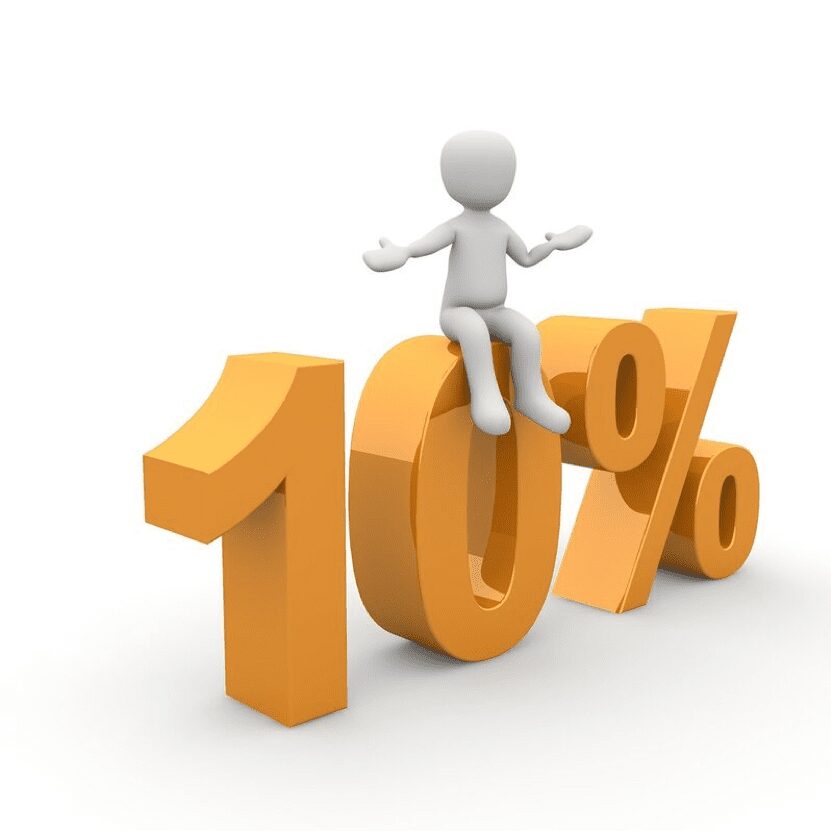
Over one-in-five online customers seek coupons and codes whenever they shop online, and over half do so occasionally. To help your further marketing efforts, it’s also found that over two-thirds of people are happy to sign up to email alerts for a 10 per cent voucher – which, of course, they’ll then spend online.
Help to have instant appeal with UK customers online and skip the middleman by having promotions, discounts, and maybe even free samples readily available for at least new customers to tap into when they visit.