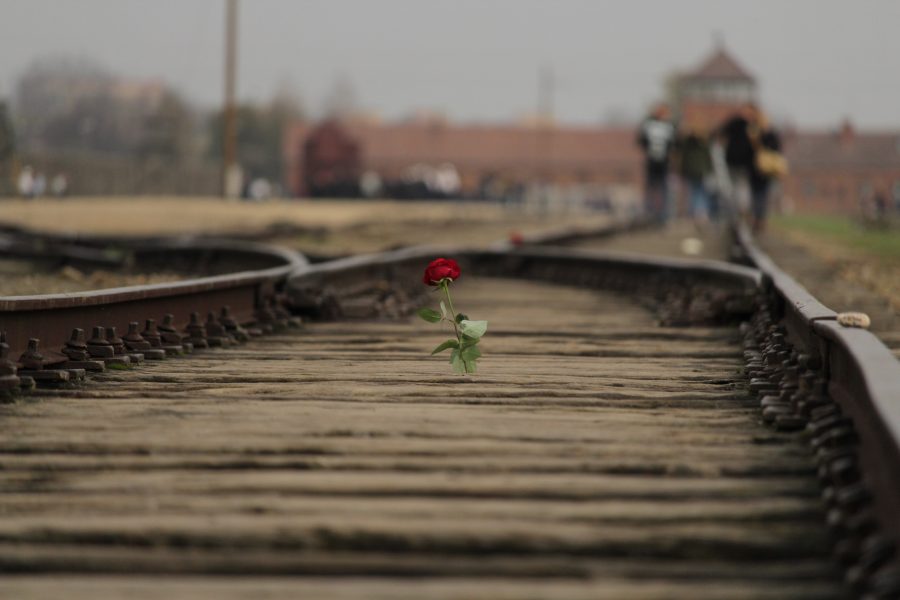
The journey to understanding the depths of human history, particularly the dark chapters, is essential for fostering a global culture of remembrance and prevention of future atrocities. Among the many historical tours available in Europe, the Auschwitz tour from Krakow stands out as a profound and sobering experience. This tour not only offers a glimpse into one of the most tragic episodes of human history but also serves as a poignant reminder of the consequences of hatred and intolerance. Situated approximately 70 kilometers from Krakow, Auschwitz was the largest of the Nazi concentration and extermination camps. Today, it is a museum and a UNESCO World Heritage site, visited by millions of people from around the world, keen on understanding the depth of human cruelty and the resilience of the human spirit.
Planning Your Auschwitz Tour from Krakow
Embarking on an Auschwitz tour from Krakow requires thoughtful planning to ensure a respectful and insightful visit. Here’s what you need to know:
Choosing the Right Tour
- Guided Tours: Opting for a guided tour can enhance the experience, as knowledgeable guides provide historical context, share poignant stories, and answer questions.
- Self-Guided Tours: For those who prefer solitude to reflect on the history of Auschwitz, self-guided tours are available, though it’s recommended to do preliminary research to fully appreciate the site.
Booking in Advance
Due to the significant interest in Auschwitz tours from Krakow, it is advisable to book your tour well in advance. This ensures availability and the convenience of securing your preferred date and time for the visit.
Preparing Mentally and Emotionally
The visit to Auschwitz is not a typical tourist experience. It is emotionally taxing, as visitors are confronted with the brutal realities of the Holocaust. Preparing mentally and emotionally for the visit is crucial.
What to Expect on Your Tour
An Auschwitz tour from Krakow typically encompasses a visit to both Auschwitz I and Auschwitz II-Birkenau. Each site tells a part of the story of this complex, and the remnants found here serve as a stark reminder of the atrocities committed.
Auschwitz I
Auschwitz I served as the administrative center for the whole camp complex. Today, it houses numerous exhibitions and the infamous “Arbeit Macht Frei” gate. A guided Auschwitz tour from Krakow will often start here, providing insight into the daily lives of prisoners and the functioning of the camp.
Auschwitz II-Birkenau
A short drive from Auschwitz I, Auschwitz II-Birkenau is the site of the remains of the gas chambers and crematoria. The sheer size of Birkenau conveys the scale of the Holocaust, making this part of the Auschwitz tour from Krakow particularly harrowing.
Reflecting on the Importance of Remembrance
The significance of an Auschwitz tour from Krakow extends beyond historical education. It is a journey that tests our understanding of humanity, challenges our beliefs, and encourages deep reflection on the values we hold dear. It reminds us of the importance of standing against hatred and bigotry in all its forms.
- **Educational Value**: The tour serves as a powerful educational tool, particularly for younger generations, to ensure that the lessons of the past are not forgotten.
- **Personal Reflection**: Many visitors find that the tour prompts a personal reflection on human rights, personal responsibility, and the importance of tolerance and empathy in today’s world.
- **Global Remembrance**: The Auschwitz tour from Krakow contributes to a global culture of remembrance, ensuring that the memories of the victims are preserved and honored.
In conclusion, an Auschwitz tour from Krakow is not just a journey back in time; it’s an essential pilgrimage into the heart of human tragedy and triumph. It serves as a reminder of the atrocities humanity is capable of, but also of our capacity for resilience, compassion, and change. Whether through guided or self-guided tours, visitors leave with a deeper understanding of history and a renewed commitment to preventing such atrocities in the future. Engaging in this tour is a profound act of remembrance, an homage to the victims, and a commitment to a better, more tolerant world.