In the ever-evolving landscape of technology and communication, digital marketing has emerged as a pivotal tool in the arsenal of businesses seeking to thrive in the modern world. From the rudimentary banners of the early internet days to the sophisticated AI-driven campaigns of today, digital marketing has undergone a profound transformation. This journey not only reflects changes in technology but also shifts in consumer behavior and expectations. In this blog post, we’ll explore the evolution of digital marketing, understanding its history, the current trends, and what the future may hold for this dynamic field.
Early Days: The Birth of Digital Marketing
The 1990s marked the beginning of digital marketing with the advent of the Internet for public use. This era saw the first clickable banner go live in 1993, and not long after, the term ‘digital marketing’ was coined. In these early stages, digital marketing was a novel concept, largely limited to web banners and emails. Businesses were just starting to optimize your meta video ads and tap into online platforms as a means to reach potential customers.
During this phase, the focus was primarily on gaining visibility in the digital space. Websites were simple, and search engine optimization (SEO) was in its infancy. Marketers soon realized the power of the Internet as a tool for direct communication with consumers, leading to the first wave of email marketing campaigns.
The Rise of Search Engines and Social Media
Search Engine Optimization (SEO)
As the internet grew, so did the importance of search engines. Google’s launch in 1998 revolutionized the way information was indexed and retrieved, leading to a significant shift in digital marketing strategies. The focus now turned towards optimizing content to rank higher in search engine results, understanding that visibility was key to attracting potential customers.
SEO became a crucial skill for digital marketers, as it determines a website’s visibility and, consequently, its traffic and potential for customer conversion. Keywords, meta tags, and backlinks became the new currency in the digital marketing realm.
Social Media Emergence
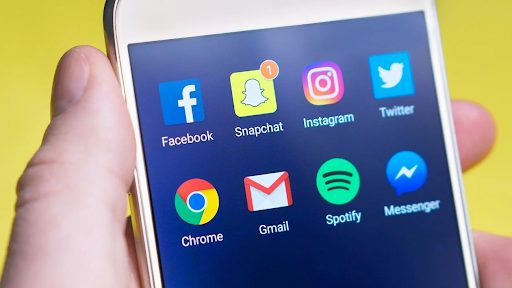
Another pivotal moment in the history of digital marketing was the emergence of social media platforms. Platforms like Facebook, Twitter, and LinkedIn offered a new way for brands to engage with consumers. It wasn’t just about broadcasting messages but about building relationships and communities.
Social media marketing evolved as a discipline, focusing on content creation, community management, and engagement strategies. Brands started to realize the importance of being relatable and human, rather than just transactional.
The Era of Personalization and AI
Personalization at Scale
As technology advanced, so did the possibilities in digital marketing. The era of big data and advanced analytics allowed businesses to understand their customers like never before. This led to the rise of personalized marketing, where messages could be tailored to individual preferences and behaviors.
Personalization became the new benchmark for effective digital marketing. Consumers expected brands to understand their needs and provide relevant content. Email marketing, web content, and even ads became more targeted, increasing the effectiveness of digital campaigns.
The Integration of AI
Artificial Intelligence (AI) has been the latest significant evolution in digital marketing. AI algorithms can analyze data at an unprecedented scale, offering insights that were previously impossible to glean. From chatbots providing customer service to AI-driven content creation and programmatic ad buying, AI is reshaping the digital marketing landscape.
AI’s ability to predict consumer behavior and automate complex tasks is a game-changer. It has led to more efficient marketing strategies that can adapt in real-time to changing consumer preferences.
The Future of Digital Marketing
As we look to the future, it’s clear that digital marketing will continue to evolve. The integration of virtual reality (VR) and augmented reality (AR) in marketing campaigns, the increasing importance of voice search, and the continuous evolution of AI and machine learning are just a few of the trends on the horizon.
The focus will likely shift even more towards providing value to the consumer, with an emphasis on sustainability and ethical marketing practices. In an increasingly connected world, the brands that succeed will be those that can create authentic, meaningful connections with their audience.
Conclusion
The evolution of digital marketing is a testament to the rapid changes in technology and consumer behavior. From basic banners to AI-driven personalized campaigns, digital marketing has come a long way. As businesses continue to adapt to these changes, the importance of understanding and leveraging the latest tools and trends in digital marketing becomes ever more critical. The future of digital marketing holds exciting possibilities, and it’s up to marketers to stay ahead of the curve and use these tools not just to sell, but to connect and create lasting relationships with consumers.
Image: https://www.pexels.com/photo/person-holding-turned-on-android-smartphone-533446/