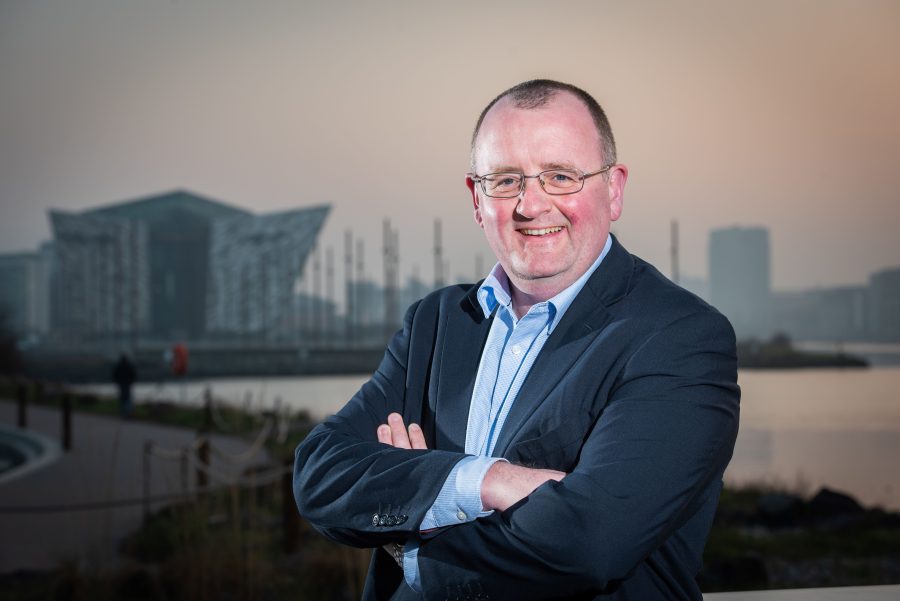
I expect this to be the most interesting budget for some time, with Chancellor Rachel Reeves finally set to make her mark on the economy after many years in opposition. Having joined the Labour Party at just 16, before embarking on a career at the Bank of England, she has always been left of centre – although some in the left of her party have criticised her in the past for what they’ve seen as her right-wing economic approach, writes Ross Boyd, founder of Belfast-based chartered accountancy RBCA
Labour has long-since hailed its plan for growth, and for true growth to happen, we need to see change, not simply more of the same. Announcements made this week will be Reeves’ opportunity to show if she really does have as much vision as she’s led us to be believe. She’s certainly had enough time to plan her next moves.
While the Chancellor told of her surprise to find a financial black hole of more than £20bn shortly after setting up home in Number 11, neither she nor the party can have been in any doubt that big challenges lay ahead when they took office.
Autumn Statement
So, what will Reeves do? We want this budget to be an innovative one for it to have a truly meaningful impact, but do any of us really believe it will? I’m not so sure it can. As a nation, the UK is walking an economic tightrope, and now is not the time for a somersault.
After a challenging few years, the UK is in a stronger position than it’s been in for some time, with inflation falling to 1.7% earlier this month, its lowest level for three years. As the ship finally appears to be steadying, advisers from the Treasury must be appealing to Labour in the strongest possible terms to be careful.
Key to attracting investment is an increase in public spending, something that, as things stand, it appears we’re not in a position to do. Another strand is drawing foreign investment to the UK. But that is highly dependent on a perception of stability, and with the British electorate as volatile as it’s been in recent years, we’re in a far from strong position in this respect either.
Among the most widely trailed changes ahead of Wednesday’s budget is a potential rise in Employer National Insurance contributions, something Labour sources have insisted was not covered by the party’s manifesto pledge not to increase National Insurance more broadly. In addition, it looks likely there could be hikes on Capital Gains and Inheritance Tax.
There is also the potential for a change to Fiscal Rules, as well as the scrapping of Non-Doms Tax Status and a possible reversal of a Tory freeze on Fuel Duty. All these moves have been widely discussed, and come with challenges, not least the potential impact on businesses if their National Insurance contributions are raised significantly, while the IFS has also issued a warning that changes to Capital Gains Tax could do more harm than good long-term if overall structures are not properly designed.
Here in Northern Ireland, owner-managed businesses are the backbone of our economy. Any shock changes, such as an increase in Employer National Insurance contributions, could have a major and detrimental impact if not introduced slowly and handled with care. As is the case across the country, businesses here must be supported if the Chancellor wants to achieve a robust and growing economy, meaning all measures introduced should come with a clear, long-term plan.”
Ross Boyd is the founder and director of RBCA, a Belfast-based chartered accountancy established in 2010. For more information visit rbca.co