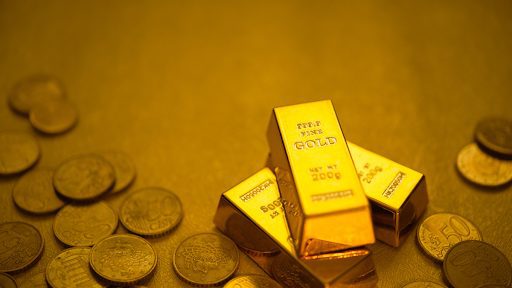
Selling gold coins may seem simple, but getting a fair price takes a little preparation. The value of a gold coin depends on more than the price of gold. Its weight, purity, condition, rarity, and buyer demand can all affect what someone is willing to pay.
If you plan to sell gold coins, knowing how buyers judge them can help you avoid accepting less than they are worth.
Know What Your Gold Coins Are Worth
Before contacting a buyer, identify exactly what you own. Check the coin’s country, year, weight, gold purity, and denomination.
Many popular bullion coins contain a known amount of gold. For example, a one-ounce bullion coin normally contains one troy ounce of actual gold, although its total weight may be slightly higher.
Next, check the current gold spot price. This gives you a starting point for estimating the coin’s basic metal value.
However, spot price is not always the final selling price.
Understand Melt Value and Premiums
The melt value is the value of the actual gold inside your coin.
Suppose gold trades at $4,000 per ounce and your coin contains one ounce of pure gold. Its basic gold value would be close to $4,000.
Some coins may sell above melt value because buyers are willing to pay a premium.
Popular coins such as American Gold Eagles, Canadian Maple Leafs, and South African Krugerrands can be easier to sell because they are widely recognized.
Older, rare, or collectible coins may carry much larger premiums.
What Buyers Look For
When you sell gold coins, professional buyers usually examine several factors.
Gold Content
Buyers confirm the coin’s weight and purity to determine how much actual gold it contains.
Authenticity
A buyer needs to know the coin is genuine. They may check its dimensions, weight, surface details, magnetic properties, or use special testing equipment.
Condition
Condition matters more with collectible coins than standard bullion coins. Scratches, cleaning, damage, or heavy wear may lower a collector coin’s value.
Rarity
Some older coins have value beyond their gold content because few examples remain. The year, mint mark, and production numbers may influence the price.
Market Demand
Coins that are easy to resell often receive stronger offers. Well-known bullion coins usually have a larger market than unusual or lesser-known products.
Compare Several Buyers
Do not assume the first offer is the best offer.
Consider requesting prices from several sources, such as:
- Local coin dealers
- Precious metals dealers
- Reputable online bullion buyers
- Coin auction companies
- Collectible coin specialists
Ask each buyer how they calculated the offer.
For ordinary bullion coins, compare the offer with the current spot price. For rare coins, consider getting an independent appraisal before selling.
Avoid Cleaning Your Coins
A dirty-looking old coin may tempt you to polish it before selling.
Don’t.
Cleaning can damage the original surface and reduce the value of collectible coins. Experienced buyers usually prefer coins in their natural condition.
Store each coin carefully and handle it by the edges whenever possible.
Watch for Fees and Hidden Costs
A high advertised price does not always mean you will receive that amount.
Online buyers or auction companies may charge shipping, insurance, commissions, grading fees, or seller fees.
Ask for the amount you will actually receive after all costs.
Keep Documentation
Original packaging, certificates, receipts, or professional grading holders can make certain coins easier to verify and sell.
Third-party graded collectible coins may also be easier for buyers to evaluate because their condition and authenticity have already been reviewed.
Final Thoughts
The best way to sell gold coins for a fair price is to understand what you own before accepting an offer. Check the gold value, identify any collectible premium, compare several buyers, and understand all fees.
Bullion coins are often valued mainly for their gold content, while rare coins can require more research. Taking a little extra time before selling can help you recognize a reasonable offer and avoid leaving money on the table.