Brexit Business: a selection of business-focussed stories from national and international publications, some of whom may require a subscription to view in detail (paywall)
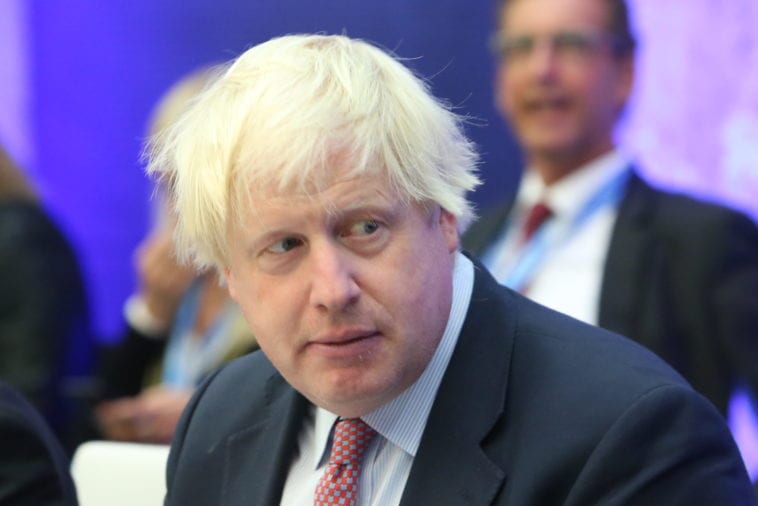
Boris Johnson is expected to reveal plans for immigration reform
The Prime Minister and Home Secretary Priti Patel are likely to lay out plans to cut the number of low-skilled migrants coming to the UK after Brexit at a cabinet meeting on Friday.
It is understood ministers will follow advice from the independent Migration Advisory Committee to also slash the minimum salary for skilled migrants to be accepted to the UK from £30,000 to £25,600 in order to allow the NHS and schools to recruit workers.
Under the new Australian-based points system, the Home Office estimates a cut of 90,000 unskilled EU migrants coming to the UK a year.
But it will expect an increase of 65,000 skilled workers entering the country from Europe and elsewhere.
https://apple.news/
Politics Home 9 Feb
Freeports set sail in Brexit trade
Ministers are to launch a beauty parade to identify locations around Britain to be awarded controversial “freeport” status.
The international trade department is set to open a 10-week consultation on the low-tax zones, where materials can be imported, manufactured and exported without tariffs or checks. Bids will then be solicited from cities and towns that want the special status.
Boris Johnson promised that freeports would help to boost the economy, but choosing the locations has been delayed by Brexit and the general election.
https://www.thetimes.co.uk/
Sunday Times 9 Feb
Boris Johnson’s hard line on trade could sink the UK’s fishing fleet by John Litchfield
Brexiteers and big fishing interests say that Britain “betrayed” its fishing fleets when we joined the EEC in 1973. For the Scottish Fishermen’s Federation, for instance, Brexit offers a “sea of opportunity” for struggling coastal communities. The first claim is largely a myth. The second is an exaggeration and, for a thriving section of Britain’s fishing industry, a lie.
Much of UK fishing – broadly the small-scale, ecologically sound part – is dependent on frictionless, overnight trade in fish, especially live shellfish and crustaceans, with the EU. About two-thirds of the shellfish, lobsters, crabs and langoustines caught by British fishers are sold to the continent.
That trade only exists because of the paper-free EU single market.
Guardian 9 Feb






