
Your first coffee machine should make your mornings easier, not turn every cup into a confusing experiment.
Buying a coffee machine sounds simple until you start looking. Suddenly, there are capsule machines, traditional espresso machines, filter brewers, automatic milk systems, grinders, pressure settings, and dozens of features you have never heard of. What started as a search for better morning coffee quickly becomes a technical puzzle.
But here is the good news: you do not need to understand everything about coffee to choose the right machine. You only need to understand your own routine.
Buying Your First Coffee Machine Shouldn’t Be Complicated
Start with the most obvious question: What do you actually drink every day? If you enjoy long black coffees, a filter coffee machine may be all you need. If you prefer a quick espresso without the mess, a capsule machine could work. And if your usual order is a cappuccino, latte, or flat white, you will probably appreciate a machine that can handle milk preparation too.
Consumer Reports recommends considering your preferred coffee style, the number of cups your household drinks, and the features you are willing to pay for before choosing a machine. In other words, your lifestyle should guide the purchase, not the other way around.
Then comes the question of involvement. Some people genuinely enjoy weighing beans, adjusting grinders, and learning how to pull the perfect espresso. Others simply want to press a button before work. Neither approach is better, but choosing the wrong one can make your new machine feel like a chore.
This is why automatic bean to cup coffee machines make such an interesting starting point for beginners. They combine the freshness of whole coffee beans with the convenience of automatic preparation. Instead of grinding coffee separately or learning complicated barista techniques, the machine handles most of the process. Some models even prepare milk-based drinks with a single touch.
For anyone who wants fresh coffee without turning it into a new hobby, that balance can be exactly right.
What to Check Before Bringing Your First Coffee Machine Home
Before falling in love with a beautiful design or a long list of features, it helps to think about your daily habits and what living with the machine will actually feel like. Here are the practical details I would focus on first.
- Your daily coffee habits
A simple machine may be enough for one person, while a household with different tastes may benefit from adjustable strength, drink sizes, and automatic milk recipes.
- The budget beyond the price tag
The initial price is only part of the story. Consider coffee beans or capsules, cleaning products, water filters, and electricity. Bean-to-cup machines generally require a larger upfront investment than basic capsule or filter machines, but using whole beans can be economical over time, particularly for households preparing multiple coffees daily.
- Maintenance you can actually manage
Every coffee machine needs cleaning, even the most automated one. Expect to empty drip trays, remove used coffee grounds, rinse components, and descale when required. Milk systems need additional attention. Look for removable brewing parts, automatic rinsing programmes, and clear maintenance reminders.
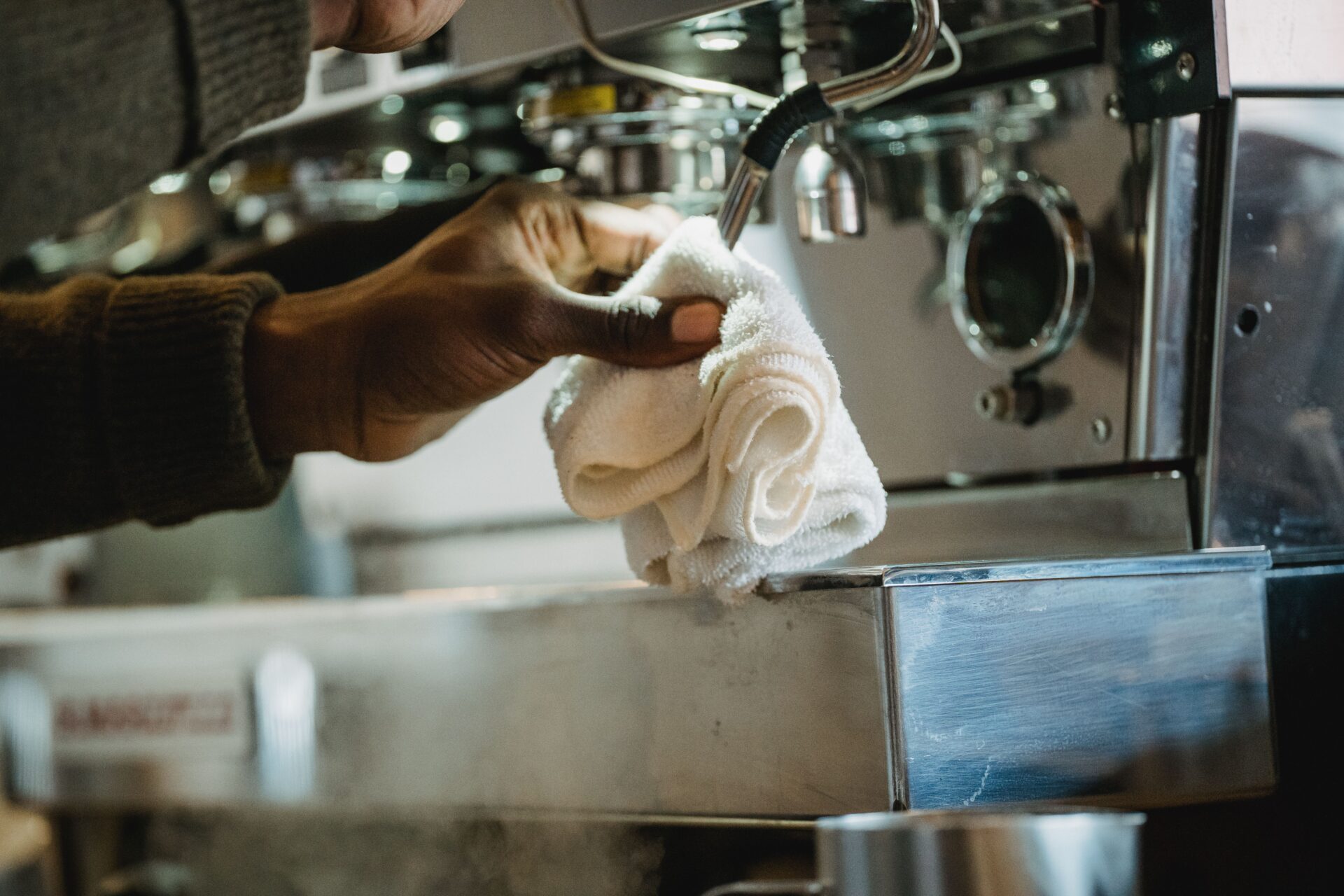 Photo: pexels.com, Mizuno K
- Space on your kitchen counter
That beautiful coffee machine will need somewhere to live. Measure the available width, depth, and height before buying. Remember to leave room for opening the bean hopper, removing the water tank, and cleaning the machine. Bean-to-cup models can be relatively bulky, so choosing a compact design may be important in a smaller kitchen.
- Features you will genuinely use
A touchscreen, smartphone app, or 20 coffee recipes might sound exciting, but do you actually need them? For beginners, adjustable coffee strength, straightforward controls, easy cleaning, and reliable brewing are often more valuable than advanced extras.
Ultimately, your first coffee machine should fit into your life as naturally as your favourite morning mug. If you love hands-on preparation, explore traditional espresso machines. If speed is everything, consider capsules. And if you want freshly ground coffee with minimal effort, a bean-to-cup model is an excellent place to begin.
The goal is not to become a professional barista overnight. It is to make coffee you genuinely enjoy, without complicating the routine that makes it special.
Photo: pexels.com, Chait Goli