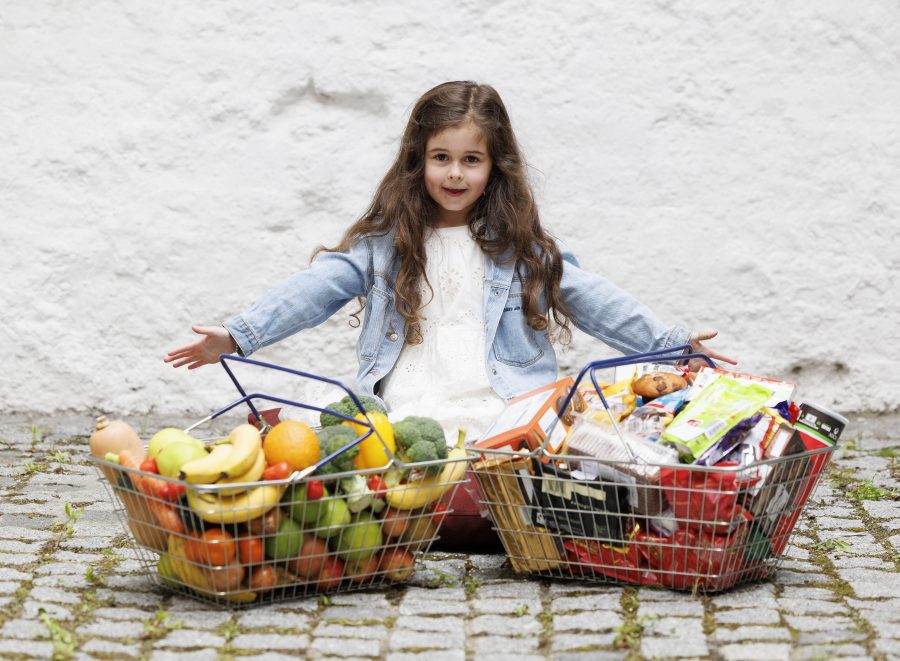
Northern Ireland families spend on average £600 on treat foods like crisps, chocolate and biscuits per year, which is almost three times what they spend on fruit. The data revealed by safefood as part of the START campaign showed that almost a fifth (19%) of a families average annual shopping budget is spent on treat foods such as crisps, chocolate, and sweets, compared to 7% on fruit and 8% on vegetables.
The Kantar Research report found that on average families spend £50 per month on treats foods, with £19 spent on fruit and £21 on vegetables.
The START campaign from safefood, the Public Health Agency and Department of Health is encouraging parents to take a step towards a healthier family lifestyle by reducing the amount of treats they give their children.
 Parents told2 the campaign they are aware that the number of treats in their families’ diet has increased in recent years and are seeking support and advice on how best to reduce treat food consumption.
Dr Aileen McGloin, Director of Nutrition with safefood said: “Parents know the impact that the past two years has had on their family’s life and the pressures that they face, especially with household food budgets tightening. Parents are trying to reduce treats, but they need some support.”
“All families have different circumstances, so it’s about choosing what works for you and your children and making a start towards healthier choices. This could be seeking advice on how to make a plan as a family to go easy on the treats; not buying as many when shopping; or help with how to talk to others in your family circle about offering smaller treats and not every day.”
“While costs are rising for everyday foods like milk or bread, products like chocolate and confectionary have not seen the same price increases. This can make it harder for families when they are trying to ensure their weekly shop contains the right balance of foods. So, while we know it’s difficult, we’re encouraging families to talk about small changes they can make and to visit www.makeastart.org for tips and advice.”
START campaign
Latest data³ from the Office for National Statistics shows that price increases for foods like chocolate and confectionary were 3.1% in the past 12 months. This compares with increases ranging from 4.6% for vegetables and 6.2% for fruit, 7.7% for meat, 6.3% for bread/cereals and 9.5% for milk, cheese and eggs.
Child and Adolescent Psychotherapist Dr Colman Noctor added: “Parents and guardians don’t want to be applauded for making the correct but difficult decision to reduce treats for their children.”
“Approaching this as a family together and making sure your children understand why you are doing this, will make you far more likely to succeed. This will also help form healthier eating habits to last a lifetime. If parents have a question on how they can get started, just head over to safefood’s Instagram”
The START campaign aims to support parents and guardians to talk to children about reducing treats as a family and minimise intake of foods high in fat, salt and sugar. The campaign website www.makeastart.org includes lots of practical advice and support on how to reduce treats, ideas for healthy snacks and advice from parenting experts.
Advice from the START campaign to help you with going easy on the treats
- It’s difficult to avoid treats when shopping. Agree what treats you’re getting before you go so that you put less in your basket or trolley. If they aren’t at home, there’s less temptation.
- Get the children involved in planning healthy snacks. Start a family challenge, like using star charts to get the whole family to eat more fruit and vegetables.
- Use non-food treats. For example planning a trip to a new playground, the beach or other things your children enjoy.
- Make healthy swaps. Offer crackers and cheese instead of chocolate biscuits. Choose plain popcorn or breadsticks instead of crisps. Offer a low-fat yogurt or fruit straight after school instead of a chocolate bar.
References:
¹ The shopping data is based on Kantar FMCG Purchase Panel with data collected for the 52 weeks to 27 December 2020. These are the most up to date figures currently available.
² Qualitative focus group interviews with 25 parents accounting for 54 children aged between 10 months and 24 years with a mix of single and two-parents households. (2022)
³ Office for National Statistics, May 2022 Consumer Price Inflation tables https://www.ons.gov.uk/economy/inflationandpriceindices/datasets/consumerpriceinflation