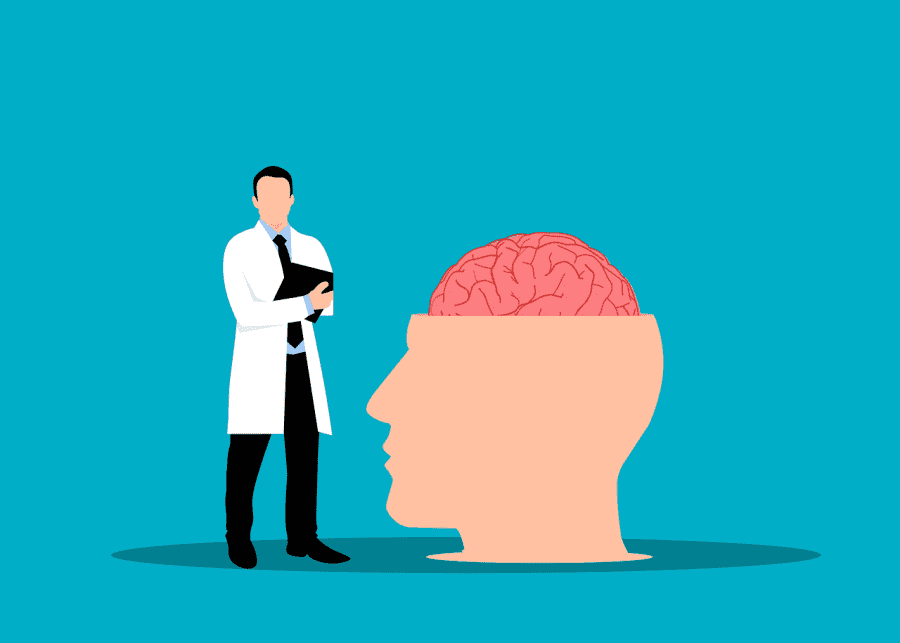
According to the most recent figures, traumatic brain injuries (TBIs) cause approximately 160,000 people to be admitted to hospital each year in the UK. What’s more, some 1.3 million people are currently living with disabilities that have been caused by a TBI on these shores, creating a long-term medical burden and cost on the NHS.
If an employee or colleague has experienced a TBI after an accident, you may be required to provide practical and emotional support. Here are some ways in which you can achieve this.
What is a TBI?
A TBI is a type of acquired brain injury, and is usually caused by sudden trauma or impact that arises as the result of an accident. This differs from non-traumatic brain injuries (which are also a type of acquired brain injury), which are typically caused in instances where your brain in starved of oxygen due to a stroke or similar medical issue.
In the case of a TBI, your injuries can be mild, moderate or severe, ranging from temporary concussion to conditions that are far more severe and long-lasting. In the case of more serious injuries, patients can experience significant physical, behavioural, cognitive and emotional changes over time, with these symptoms most prevalent after significant falls or motorcycle accidents. In some cases the patient may be able to make a brain injury claim, which can be particularly helpful if time off work is required.
How to Support an Injured Employee
Regardless of how your employee has acquired a TBI; you’ll need to make yourself, the HR team and the wider workforce available to provide many different types of support. Here are some ways in which you may be able to achieve this goal.
Practical Support
First, you’ll need to learn about your employees’ injury, so that you can understand how they’re likely to be impacted and any physical changes that they’ll experience as a result. Relatively minor brain injuries such as a concussion can leave your employee suffering with debilitating symptoms like memory problems and headaches for a few weeks, but more severe head injuries can cause long-term complex problems.
Once you understand what kind of brain injury that your employee is facing, you can then provide more practical support and this will vary from person to person. For example, you may need to adjust their desk to fit their needs, install ramps and handrails or provide disabled parking spaces at your office location if they so require. Other accommodations may be allowing a more flexible work schedules such as longer breaks or part-time work.
For some who have suffered a TBI memory deficits may occur so allowing your employee to record meetings and providing them with written minutes of meeting and to-do lists can be very helpful in supporting them with organisation and keeping track of what they need to be doing on a day-to-day basis.
Emotional Support
Many of those who have suffered a TBI may experience notable behavioural or emotional symptoms which you are your team will need to account for. For example, your employee may have issues dealing with stress and emotions so providing praise and positive reinforcement is a great way to let you employee know that they are doing a good job. You may also look to refer them to counselling and employee assistance programmes through your HR team, as well as providing sensitivity training to co-workers and the wider team.
Conclusion
Overall, the key is to speak directly to the brain injured employee and consider their individual needs while providing a safe and supportive working environment. You should be sure to keep in regular contact with them and check whether current adaptions are proving helpful or if different solutions need to be found.