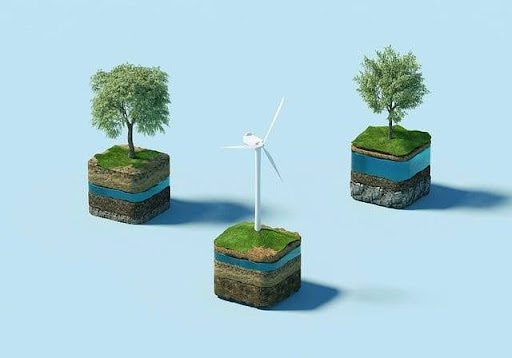
A positive employee experience is the beating heart of your business, so having a more human-centred approach helps drive better outcomes and makes your organisation economically viable. It’s not about surviving in an evolving environment – it’s also about learning to thrive in it. If you’re wondering where your organisation truly stands, take a moment to pause, reflect, and look within to see if employees feel valued, supported, and motivated to give their best. The initiatives you undergo via your sustainability journey can impact the employee experience, as people feel they’re part of something bigger and understand the company is interested in them beyond what they can produce.
Very few employees are engaged in their teams, meaning they don’t have enthusiasm for their work, often unwilling to dive into tasks, bring new ideas to the table, or make strong connections with their peers. After all, we live in a world marked by the Great Resignation. The people within your organisation trust you to make socially responsible decisions, as well as better business decisions, so make a difference in the wider world and be part of something bigger than yourself. You can contribute to sustainability through various internal economic, social, and environmental initiatives.
Employees Want Their Jobs to Be Meaningful, So Leverage Purpose in Your Business Decisions and Everyday Interactions
Beyond satisfaction and engagement in their work, employees seek meaning and impact, so if you ask them what’s most important, the paycheck isn’t the first on the list. As decent working conditions have become fundamental, people have begun to want more. Foster an environment where workers deeply connect with the organisation, inspiring meaning and collective commitment to make a positive impact. Every decision, from the coffee cups in the break room to the energy sources powering your office, must be made with sustainability in mind.
Create a sense of purpose and belonging beyond the 9-to-5 grind that’s killing you and your ambitions, and think strategically for the good of your business. It’s more than just about the compost bin or green initiatives. It’s about building a “holistic” company culture that demonstrates to employees they’re valued as individuals, so assess each element of your business and take the time to consider where you can make adjustments to ensure your protocols are meaningful, not superficial. Change is tricky because it involves more than one person, which is why you must start small and remain consistent to build good routines and reinforcements.
A Sustainable Employee Experience Offers Plenty of Advantages to People and Organisations
Business leaders who invest time and effort into future-proofing their organisations demonstrate trusting and trust-enhancing behaviours. If you want your company to succeed, foster mutual trust between team members and encourage leaders to collaborate across departments on sustainability initiatives, fostering a culture of shared responsibility. The workforce experience matters just as much as the customer experience – as a matter of fact, the two are intricately linked: good employee experience leads to good customer experience, and the other way around. Unfortunately, in a world of finite resources where different objectives and goals clash, the employee experience is often overlooked.
By pairing sustainability and the employee experience, you reap many benefits, as follows:
Good Environmental Practice & Long-Term Financial Stability
Respond voluntarily to the expectations of your environmentally sensitive staff members by starting the journey to decarbonise your business by considering both the waste generated from production and that generated from consumption. Alas, the UK ranks last in green spending among major European economies. France, for instance, allocates roughly $28.5 billion, outspending the UK nearly twofold, with the Olympic Games increasing sustainable standards, Paris 2024 meant to be a turning point in history. By investing in an XP300 compactor that can handle all kinds of general black bag waste , you can combat climate change and ensure employees look forward to going to work and interacting with others.
A positive ROI and sustainability go hand in hand, so by changing manufacturing processes, supply chains, and other aspects of the business model, you can create a competitive advantage, open new markets, and, above all, attract and retain customers and workers. Sustainable workplaces focus on employee wellbeing by promoting active commuting or healthy eating and tend to have better outcomes, such as fewer sick days among team members, which leads to improved attendance and reduced absenteeism costs. While it might seem harmless at first, employee absence from work due to burnout or mental illness can reduce productivity, efficiency, and morale.
Avoiding The Great Resignation at Your Company
Most people who quit and left in 2024 and are now employed, full-time or part-time, say that their current work situation is an improvement over their most recent job. They’ve had enough of bad bosses, low pay, poor work-life balance, and so forth. Many workers would consider quitting their jobs if the company’s environmental actions don’t align with theirs, so if you want to avoid the Great Resignation, or quiet quitting as it’s now called, reconsider what makes your company worth working for. Meaningful work is high on the agenda for job applicants, which means you can’t afford to ignore it.
Investing in sustainability makes the people within your organisation feel good about where they work, soothing their eco-anxiety, and that warm and fuzzy feeling of belonging is enough to drive productivity. Put your focus firmly on people, who are the most important resource in your company. As expectations continue to evolve, it’s vital to understand what your employees think (and how they feel) to change the status quo and provide the best possible work environment. Try communicating openly with staff members, so they feel more comfortable approaching you if they face a challenge or need information.
Concluding Thoughts
Employees have evolved for the better, with no room for misinterpretation, highlighting the changes and transformations that have taken place in the workplace over the past couple of years. Setting targets is good, but having a genuine commitment to sustainability is better, as people are more motivated to go above and beyond, not to mention they’ll stay in the long term.
Image credits: https://pixabay.com/illustrations/windmill-trees-sustainability-5591464/